
Idea 1
Trump and the Politics of Identity and Winning
At the heart of the book lies a single insight: to understand Donald Trump, you must understand how the idea of winning defines his identity. Everything—from his real estate deals to his television branding, from campaign rallies to presidential decisions—flows from a worldview in which being a winner is synonymous with survival. Losing, for Trump, is not simply failure; it is annihilation.
Winning as Philosophy
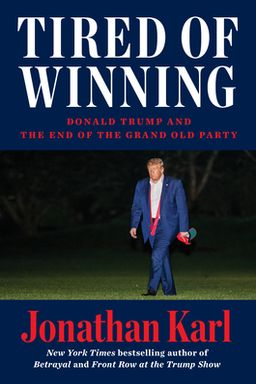
You see how Trump internalized lessons from figures like Roy Cohn: never apologize, never concede, and never appear weak. Those principles shaped his time as a public figure and eventually as a politician. When he told crowds during his 2016 campaign, “We will win so much you’ll be tired of winning,” he wasn’t merely boasting—he was defining a worldview where image and dominance were everything.
Public victories became proof of superiority, while any loss—personal, legal, or electoral—was reframed as conspiracy or theft. This psychology powered both his rise and his post-presidency behavior: to lose would betray the persona he built as invincible, so denial became survival.
The Fear of Losing and Its Consequences
When the 2020 election ended, Trump’s refusal to concede was not simply political—it was existential. The book traces how he converted defeat into grievance, grievance into outrage, and outrage into a mobilizing force that redefined Republican politics. You learn that denial became his mechanism for retaining control: to admit defeat would shatter the carefully polished myth of omnipotent winner.
That dynamic explains almost everything that followed—the lawsuits after the election, pressure on state officials, calls for protests, and the escalation that culminated in the January 6 attack. Each act stemmed from a need to sustain the illusion of perpetual victory. Even in personal matters—from Mar-a-Lago décor to the orchestration of rallies and announcements—he stage-managed settings where symbolic success could replace substantive achievement.
The Ripple Effects on Followers and Institutions
Trump’s “winning” ethos also shaped his followers’ perception of legitimacy. To his supporters, institutions that declared him the loser became villains—the courts, the media, election officials. As the book illustrates, these institutions were not merely checks on power; they became targets in a narrative of victimhood. In Trump’s lexicon, being a “winner” meant defying the establishment, and every investigation or indictment became proof that elites feared his success.
You see this psychology at work when he transformed legal peril into fundraising triumphs—selling “mug shot” t-shirts and raising millions after indictments. The act of turning loss into a mark of persecution merges emotional identity with commercial profit. It also reveals how Trumpism evolved from policy movement into spectacle—where symbolic combat replaced governance.
Implications for Political Analysis
When you assess a political figure’s decisions, ask whether failure threatens their identity. The book suggests that for Trump, every defeat triggers escalation—an impulse to punish, delegitimize, and retaliate. That instinct explains why he continues to push retribution as a theme long after leaving office: “If they go after me, I’m coming after you.” What began as protection of self-image has become a platform rooted in vengeance and grievance.
Understanding this foundation allows you to see why narrative continuity matters more to him than institutional continuity. Leadership becomes performance, and spectacle becomes substance. Trump’s world is binary: winners dominate; losers vanish. The book’s exploration of this identity serves as a lens through which every subsequent chapter—about loyalty, retribution, delusion, and spectacle—finds coherence.
Core Insight
When a leader’s sense of self depends entirely on winning, institutions, truth, and even legality must bend to preserve that illusion. You should read every subsequent event—protests, indictments, and political rallies—as part of a single story: victory at all costs.