
Idea 1
Radical Empathy and the Messy Miracle of Being Human
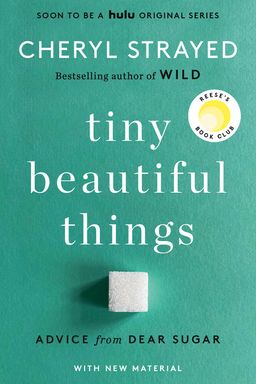
How do you survive what breaks you and still learn to love fiercely? In Tiny Beautiful Things, Cheryl Strayed—writing as her alter ego, Sugar—argues that the only way forward through life's pain, confusion, and loss is radical empathy. Through deeply personal, brutally honest letters written to readers seeking advice, Sugar contends that truth-telling, vulnerability, and compassion are the most powerful tools we have for healing ourselves and others.
Strayed insists that living well isn’t about perfection or safety—it’s about authentic connection to the messy, magnificent realities of life. Whether facing grief, addiction, betrayal, or loneliness, her mantra—“Be brave enough to break your own heart”—captures her central claim: love and pain come from the same place, and the work of being human is learning to hold both at once.
Empathy as the Core of Advice
Sugar’s advice leans as much to literature and self-revelation as it does life coaching. Strayed, unlike conventional counselors, doesn’t stay behind a screen of objectivity. In her replies, she merges her own grief—especially over losing her mother at twenty-two—with her audience's. This radical empathy, as writer Steve Almond describes in his introduction, goes beyond comforting words: Sugar absorbs others’ pain and transmits strength through story. She answers by saying, “I know because I’ve been there.”
(Note: Strayed’s approach contrasts with traditional therapists like Carl Rogers, who suggest empathy as listening without judgment; Sugar’s version includes deep self-revelation as mutual healing.)
The Truth-Telling Gospel
The book’s central theme—“truth leads to love”—runs through nearly every letter. Sugar consistently rejects avoidance, denial, and platitudes. When a gay college student writes of suffocating in a household that condemns his sexuality (“That Ecstatic Parade”), Sugar doesn’t comfort him with assurances—it’s fierce love wrapped in the truth: get out, because staying with people who wish to annihilate you will kill your spirit. To tell the truth about who you are, she urges, isn't running away—it's salvation.
Her psychology of courage echoes Anne Lamott’s blend of humor and grace (Bird by Bird) and the existential realism of Viktor Frankl (Man’s Search for Meaning): one must act toward light, even surrounded by darkness. She pairs tenderness (“Yes, sweet pea”) with profanity—it’s empathy that bites rather than coddles.
Making It Better vs. Making Yourself Better
Sugar’s recurring lesson is that life doesn’t simply “get better”—we make it better. When responding to an LGBTQ youth (“That Ecstatic Parade”), she reframes the famous campaign slogan “It Gets Better” by reminding him that change isn't magic: those who healed made it better through the courage to speak, to love, and to claim the truth. Her insistence that pain transforms when we engage with it rather than flee encapsulates the book’s essence.
Why This Matters
You live with loss, confusion, or disappointment—Sugar reads that ache as the price of being alive. The book is less about advice than a philosophy of resilience. It shows how empathy and storytelling create a shared space where brokenness isn't shameful but sacred. In that space, Sugar’s letters—whether about infidelity, grief, addiction, or artistic paralysis—help you realize the same truth she learned kneeling on the tile after finishing her first book: creation and survival begin with humility. “The first product of self-knowledge is humility,” she quotes Flannery O’Connor.
In a world that promises quick fixes, Tiny Beautiful Things insists on messy miracles instead: awful mistakes redeemed by honesty, shattered hearts surviving through compassion, and the long, hard reach of love toward light. Its message is timeless—you build your life not by escaping pain, but by daring to tell the truth about it and letting those truths connect you to others who are walking toward their own redemption.