
Idea 1
Education, Ethics, and the Jewish Path to Business Success
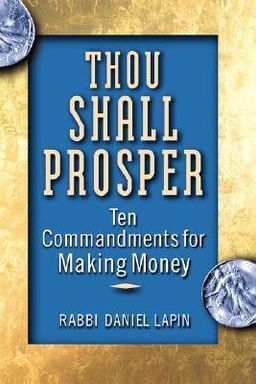
Why do certain cultural communities seem to thrive in business even under immense pressure or prejudice? This book, How Education Drives Jewish Business Success Amid Misconceptions, argues that the Jewish tradition of education, ethical conduct, and adaptability—not stereotypes or conspiracy theories—lies at the heart of Jewish achievements in commerce and leadership. Instead of some mythical 'money gene' or secret cabal, the author contends that Jewish success stems from deeply ingrained values: lifelong learning, moral responsibility, community interconnectedness, and resilience born from centuries of survival.
These ideas matter far beyond Jewish history. They shed light on how anyone can align faith, morality, and entrepreneurship to create sustainable success. The book challenges shallow explanations and replaces them with insights drawn from Torah teachings, oral traditions, and practical examples—from ancient traders to modern entrepreneurs. It shows that business can be a form of ethical service rather than exploitation, that change can be embraced without losing one's roots, and that generosity creates not just wealth but character.
Debunking Myths About Jewish Wealth
The book opens by dismantling common misconceptions—such as the idea that Jews possess innate financial genius or operate secret societies. These myths, rooted in centuries of anti-Semitic portrayals like Shakespeare’s Shylock, distort public understanding. The author presents clear evidence: Jewish business success is historically linked to education and ethics, not deception or privilege. The Torah itself forbids dishonest dealings, defining honesty in business as an act of faithfulness to God.
Instead, Jewish communities thrived by prioritizing literacy and study. Homes filled with books created generations of thinkers and problem solvers. Education wasn’t just practical—it was sacred. The culture's emphasis on questioning, analyzing, and critical debate fostered innovation long before the modern economy rewarded those skills.
Business as a Moral Calling
The author also reframes business itself as a moral pursuit. Far from being a necessary evil, commerce becomes a way to serve others ethically and creatively. For example, Jewish tradition viewed lending—not as greed—but as an empowering act, allowing recipients to retain dignity by building their own enterprises. Even the profession of banking originally carried moral aims: helping others achieve independence while sustaining the community.
This idea of ‘ethical capitalism’—that profit and virtue can coexist—positions Jewish business principles as antidotes to modern cynicism. The notion rivals popular corporate philosophies like those in Adam Grant’s Give and Take, where generosity leads to long-term success. Both emphasize giving value before extracting it.
Relationships, Community, and Networks
Next, the book explores how Jewish customs cultivate strong relationships. The communal structure of Jewish life—from family connections to synagogue networks—creates partnership opportunities worldwide. For instance, the minyan (a quorum of ten for prayer) not only ensures spiritual continuity but offers a constant avenue for business networking wherever a Jewish traveler goes.
Authenticity in relationships emerges as another cornerstone. As shown in the story of Richard Simon—the founder of Simon & Schuster—personal relationships often spark business innovation. His publishing empire began from observing his grandmother’s crossword puzzle habit, revealing how relational insight can lead to enterprise.
Embracing Imperfection and Ethical Leadership
Business, like life, is imperfect. Jewish teachings don’t demand perfection; they encourage moral striving. The book draws contrasts between robber barons like Andrew Carnegie and faithful businessmen adhering to ethical capitalism. It insists that capitalism itself isn’t corrupt—people’s misuse of it is. In this context, figures like Bernie Madoff symbolize what happens when greed overwhelms moral guidelines.
Ethical restraint and atonement—being ‘at one’ with God—restore balance after mistakes. This humility allows continual growth, embodying resilience that modern entrepreneurs can emulate.
Adaptation, Change, and Rootedness
Change, the book argues, isn’t to be feared but embraced. Using the Star of David’s geometry, it explains how stability and openness coexist. Staying rooted in core values while adjusting to evolving realities—illustrated through companies like Disney or family firms that return to their origins—builds lasting success. Judaism honors gradual change through rituals like weddings and funerals, showing how transition can coexist with continuity.
Predicting and Preparing for the Future
Wisdom, not prophecy, enables foresight. The author echoes the Talmud’s teaching: prophets foresee, but the wise interpret. Understanding present trends and removing ego—seen in Churchill’s clarity versus Chamberlain’s vanity—creates accurate predictions. Business forecasting thus becomes a moral and intellectual practice, grounded in honesty, humility, and insight.
Money, Charity, and the Spirit of Generosity
Money in Jewish tradition carries spiritual meaning. The word “zuz” means “to move,” reminding us that money must circulate, not stagnate. It binds trust and reputation: Ford’s multi-billion-dollar purchase of Jaguar and Volvo wasn’t about machinery—it was about prestige. Giving money away, paradoxically, increases wealth and moral worth. This echoes principles from The Richest Man in Babylon, where generosity is a path to prosperity.
Work as Lifelong Purpose
Finally, the book dismantles myths about retirement. Work isn’t a means to an end but a source of dignity. Jewish tradition equates labor with creation—a reflection of divine productivity. Harlan Sanders founding KFC in his 60s exemplifies this continual purpose. Age, rather than limiting output, expands opportunity through experience and networks.
In essence, the book teaches that true business success flows from moral clarity, educational depth, and spiritual endurance. When you blend learning with ethics, treat money as fluid service, and work beyond societal limits, you don’t just build wealth—you build wisdom and community.