
Idea 1
How a Small Town Builds a Big Scene
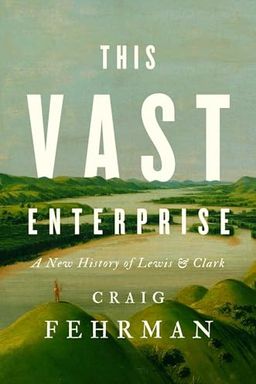
What would it take for your hometown—the place people pass on the way to somewhere else—to become a destination for art, risk, and career-defining creativity? In Home Grown (excerpted from Craig Fehrman’s broader project), Fehrman argues that the 21st‑century music business still runs on place—on venues, mentors, scrappy institutions, and one breakout act that proves it’s possible. He contends that Bowling Green, Kentucky, and its flagship band, Cage the Elephant, show how a modern scene emerges: not from algorithms and virality, but from human networks, cheap practice spaces, a killer live room, a devoted local DJ, and a band that tries, fails, reinvents, then invests back.
Fehrman’s core claim is simple and hopeful: geography still matters, but not in the ways you think. It’s less about being in New York or Los Angeles and more about building the right flywheel at home—places like Tidball’s (the tiny, grimy venue where bands get forged), D93’s Home Cookin’ with Tommy Starr (the radio oxygen that keeps the fire lit), and a pipeline of young acts supported by elders who remember how hard the grind felt yesterday. The internet can’t replace any of that; at best, it amplifies it.
What This Story Covers
You’ll meet Cage the Elephant not through their streaming stats but in motion: a chaotic, converting set at Governors Ball where Matt Shultz’s feral, deeply felt performance turns casuals into believers. You’ll drop into Jared Champion’s parents’ basement—Cage’s original war room—then ride along to London dive clubs where the band spends a year winning fans the old way. You’ll walk through Bowling Green’s humble infrastructure: the downtown square, a moist county (dry all around, wet in the city), a campus that doesn’t quite feed the scene, and the 150-or-so diehards who do.
Alongside Cage, you’ll watch a network bloom: Sleeper Agent (Tony Smith and Alex Kandel), Morning Teleportation (Tiger Merritt), and Schools (Jeremi Simon)—acts that move from backyard parties and house shows (including the legendary, literally collapsing Pirate House) to real tours, pro studios, and major showcases. You’ll see how producers (Jay Joyce), organizers (Ryan Zumwalt), promoters (Bryan Graves), and mentors (Matt and Brad Shultz) reinvent old label roles—A&R, development, festival curation—after the industry’s collapse.
Why It Matters Now
If you build, lead, or love creative communities, this story offers a replicable pattern. Scenes don’t “go viral.” They accrete: a supportive bar where bands are expected to be good; a radio slot that treats locals like pros; affordable houses where teens can practice at midnight; a breakout band that keeps showing up and lifting others as it climbs. And the heart of it isn’t cynicism or careerism (the trap Fehrman sees down the road in Nashville). It’s what John Carpenter—another Bowling Green export—once decided in a library: you have to try.
The book’s thesis in one line
A modern music scene is a vast enterprise of very local parts—built by places and people who make it safe to experiment, urgent to improve, and thinkable to leave home and come back stronger.
What You’ll Take Away
You’ll see why live energy—not streams—defines identity. You’ll learn how “hidden” civic assets (a bar calendar, a DJ’s inbox, a festival’s pancake breakfast) add up. You’ll understand how Cage structured creativity—first-record-in-10-days discipline, second-record reinvention in rural cabins, third-record demo rigor—and why they turned into de facto A&R for friends. And you’ll get a blueprint for your own town: find the incubator, crown the curator, keep housing cheap, defend the weird, and celebrate the first ones who simply tried.
In short, this is a people-first history of a place-first phenomenon. Fehrman shows you how a band can be both the spark and the scaffolding for an entire ecosystem—and how a modest Southern city found a way to sound like itself.