
Idea 1
Freeing Yourself from Alcohol Through Conscious Awareness
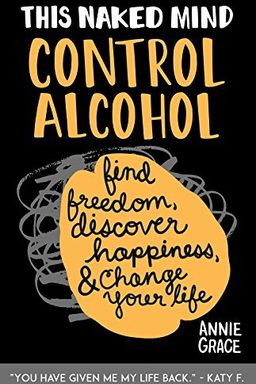
How can you truly free yourself from something that's been sold to you as freedom itself? Annie Grace’s This Naked Mind asks this unsettling question and then flips the cultural script on drinking. Grace, once a successful executive waking up at 3:33 a.m. questioning her nightly bottles of wine, contends that alcohol’s grip is far less about willpower and far more about unconscious conditioning. Her argument is that the mind’s hidden programming — reinforced by society, advertising, and habit — drives drinking behavior far beyond rational thought. You aren’t weak if you can’t stop; you’re misinformed and socially trained to desire alcohol.
Grace’s central promise is radical but hopeful: by unraveling those unconscious beliefs with facts, neuroscience, and compassionate awareness, you can remove your desire for alcohol rather than merely resist it. She rejects the traditional narratives of shame, powerlessness, and deprivation that dominate recovery models like Alcoholics Anonymous. Instead, This Naked Mind offers an education-based awakening — a way to rewire how you think and feel about drinking. The book’s method works by exposing the myths that surround alcohol and aligning your conscious intellect with your emotional subconscious so that the impulse to drink simply disappears.
The Core Idea: Unconscious Conditioning
One of Grace’s most provocative insights is that your drinking habits originate not from conscious choice but from unconscious learning. That internal programming has been shaped since childhood through exposure to parents, peers, and the glowing halo of alcohol in movies and advertisements. Grace cites neuropsychology research showing that humans process over two million bits of sensory information per second, but consciously register only about seven. That unseen flood of cultural messages convinces your unconscious that alcohol equals pleasure, sophistication, and social belonging. When you later decide to cut back, your conscious logic (knowing it’s harmful) fights those deeply embedded emotions (believing it’s good), leading to misery, guilt, and relapse.
The Solution: Conscious Reprogramming
Grace borrows from psychologist Dave Gray’s concept of *Liminal Thinking*, which states that beliefs are constructed from limited experiences and can change only through conscious reflection of those assumptions. By examining what you think alcohol does — calms you, makes you funnier, or connects you socially — and then comparing those beliefs to the scientific reality, you bring your unconscious programming into the light. The process relies on education rather than self-denial: when both parts of your mind realize alcohol provides no true benefit, cravings dissolve. Grace’s writing style mirrors this concept through repetition and gentle logic meant to penetrate both your conscious intellect and emotional layers.
A Compassionate Rebellion Against the Alcohol Culture
Grace denounces the widespread narrative that quitting drinking is miserable or that alcoholics are broken people. She critiques Alcoholics Anonymous’s founding principles, noting how Dr. William Silkworth’s early idea of alcoholism as an “allergy” falsely separated “normal drinkers” from “defective alcoholics.” Grace’s counterclaim is inclusive and logical: because alcohol is addictive for all humans, anyone who drinks is vulnerable. There is no moral or biological flaw—only a cultural delusion reinforced by multibillion-dollar industries. Breaking free means seeing alcohol as the addictive poison it truly is, not as a personal failure or forbidden fruit. This realization shifts sobriety from deprivation to liberation.
Why This Matters
The implications reach far beyond personal drinking habits. Grace links alcohol’s normalization to systemic harm—marketing campaigns that glamorize poison, workplaces saturated with happy-hour culture, and families modeling dependence as celebration. She urges readers to question why alcohol is the only drug one must justify *not* taking. The book invites you to see the act of abstaining not as rebellion against joy but as reclaiming your brain’s natural balance. Like waking from a Matrix-like illusion, you realize that alcohol never added to life; it only dulled it. That awakening, Grace insists, restores your sense of agency, clarity, and self-respect.
All told, This Naked Mind is less a sobriety manual than a manifesto of freedom through awareness. It combines neuroscience (drawing from Dr. John Sarno’s mind-body principles), cognitive psychology, and storytelling to show that real change doesn’t come from fighting cravings but from removing their cause. By the end, you don’t battle alcohol — you simply lose interest in it. Grace’s narrative closes the painful gap between wanting to quit and fearing life without drinking. When your mind sees the truth, she promises, you’ll realize that your best life has been waiting on the other side of the glass all along.