
Idea 1
Our Enduring Desire to Change Consciousness
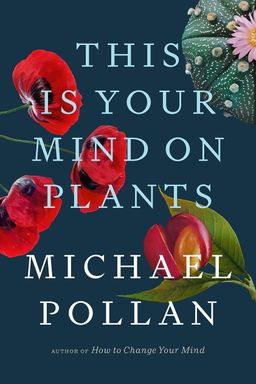
Why do you reach for a cup of coffee every morning, or why might someone else seek solace in a glass of wine at night? In This Is Your Mind on Plants, Michael Pollan asks these deceptively simple questions to explore humanity’s age-old fascination with altering consciousness. He argues that our unique drive to use plant-derived chemicals—whether for stimulation, relief, or transcendence—reveals deep truths about our biological wiring, cultural control systems, and spiritual yearnings. Pollan contends that understanding our relationships with three specific plant drugs—opium, caffeine, and mescaline—exposes not only how these compounds shape human minds but also how societies decide which kinds of mind-alteration are allowed and which must be forbidden.
Pollan’s core argument is that plants have co-evolved with humans in a complex dance of chemistry and consciousness. We have shaped their survival, and they have, in turn, shaped our inner worlds. Every society’s acceptance or rejection of a given drug, he shows, is far less about pharmacology and far more about social utility and control. Caffeine—the stimulant that fuels capitalism’s work ethic—remains legal and universal. Opium—the sap that dulls pain and dissolves ego barriers—is criminalized except under medical sanction. And mescaline—the alkaloid that evokes mystical experiences and spiritual connection—is restricted to Indigenous use within carefully guarded religious contexts. These divergent fates reveal a hierarchy of human values: industriousness at the top, pleasure and transcendence at the margins.
The Human-Plant Pact
Pollan reframes the drug debate not as an issue of morality but as a story of ecological reciprocity. Plants, by producing alkaloids—chemical defense weapons meant to repel or confuse predators—accidentally discovered formulas that plug directly into human neurotransmitters. Morphine mirrors substances in our brains that mute pain; caffeine blocks sleep signals and sharpens focus; mescaline imitates serotonin and floods the neural circuits of wonder. When humans realized what these molecules could do, we began cultivating, breeding, and spreading those plants wherever our societies thrived. Coffee, tea, poppies, and psychoactive cacti followed global trade routes, entwining their destinies with our own.
In this sense, Pollan sees plants as active participants in evolution. They benefit when their biochemistry serves our desires—an evolutionary partnership he describes as nothing less than marriage. What began as chemical warfare between species evolved into symbiosis. Today, billions of humans nurture caffeine-producing plants or depend on the opium poppy’s refined derivatives for pain relief. Even the outlawed peyote and San Pedro cacti survive through religious and anthropological reverence. Nature, Pollan says, has colonized our brains as effectively as we’ve colonized the planet.
Cultural Mirrors of Our Mind
Pollan’s analysis extends beyond biology to culture. Each plant drug reflects the motivations and blind spots of its dominant society. Caffeine helped usher in modern rationalism and the Enlightenment (as chronicled in Wolfgang Schivelbusch’s Tastes of Paradise); coffeehouses in London and Paris became incubators of capitalism and scientific thinking. Opium, once a cornerstone of medicine and art, fell victim to the American war on drugs—an ideological crusade that criminalized pain relief while pharmaceutical corporations rebranded the same chemistry into OxyContin. Mescaline, revered by Native American tribes as a sacrament of healing and unity, remains outlawed for others, symbolizing how spiritual use of drugs threatens systems of control.
Throughout these histories, Pollan weaves personal experiments and reflections: growing poppies and confronting legal paranoia; abstaining from caffeine and rediscovering what “normal” consciousness feels like; and joining a San Pedro ceremony guided by a healer who helps participants face emotional trauma. His self-experimentation becomes a tool for empathy—an attempt to understand why altering consciousness can be both alluring and terrifying, liberating and constricting. Each plant reveals not only chemical truths but cultural metaphors for our changing perceptions of nature and self.
Why This Matters
By the end of This Is Your Mind on Plants, Pollan leaves readers with a conviction that drug laws reveal societal self-portraits. What we fear in drugs—loss of control, ecstatic vision, or passivity—mirrors what we fear in ourselves. And what we celebrate—productivity, energy, rational focus—mirrors what we need our citizens to embody. These choices tell us where we place the boundaries between human freedom and social order. Pollan’s fascination with psychoactive plants isn’t merely botanical; it’s philosophical and moral. When you sip tea, swallow a painkiller, or meditate on transcendence, you participate in ancient dialogues between biology and belief. Understanding these relationships helps you see why drug wars persist, why laws seem arbitrary, and how reconnecting with nature’s chemistries might heal not just bodies but societies.
Ultimately, Pollan invites you to question what “normal consciousness” truly means. Is your daily clarity a natural state or a cultivated addiction? Do plants serve your needs, or do you serve theirs? In tracing the intertwined stories of poppy, caffeine, and cactus, Pollan shows that your mind on plants is never simply your own—it is a reflection of civilization’s long, intoxicating relationship with the world that grows around us.