
Idea 1
Building an Unstoppable Mindset
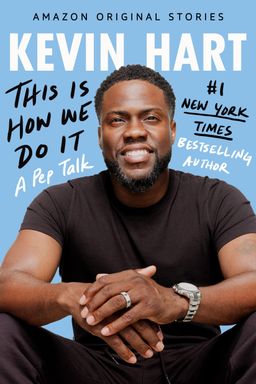
Have you ever wondered what separates people who crumble under life’s pressure from those who transform challenges into fuel? In This Is How We Do It, Kevin Hart argues that the answer isn’t luck, talent, or background—it’s mental toughness. Hart, known for his relentless drive and humor, lays out a personal blueprint for mastering your mind through what he calls “Mental Boot Camp.” His mission is simple but profound: to help you stop being reduced by life’s chaos and start using it to build something extraordinary.
Hart contends that success doesn’t come from external validation or perfect circumstances but from a mindset built on radical self-accountability, discipline, and optimism. Drawing on his own life—from growing up in North Philadelphia to becoming one of the world’s highest-earning entertainers—Hart explains how developing a few key mental tools can help anyone “do it their way” and build a life they’re proud of.
The Mind as a Muscle
To Hart, your mind is no different from your body—it needs regular training. Just as an athlete strengthens physical endurance through repetition, personal growth comes from mental repetitions: facing setbacks, owning failures, staying consistent, and reprogramming the way you react to your environment. He sees modern culture—saturated with negativity, comparison, and distraction—as an added weight you must train against. By mastering the 15 tools he describes, you develop not only resilience but freedom from external noise.
Positivity as a Power Source
Hart’s philosophy starts with a positive mindset. He doesn’t mean blind optimism; he means the ability to extract lessons and purpose from anything that happens. He flips negative experiences into “temporary defeats” (a phrase borrowed from Napoleon Hill’s Think and Grow Rich) rather than final failures. When you change your internal story about what’s possible, your reality shifts to match. For Hart, negativity is mental gravity. Positivity isn’t naïveté—it’s propulsion.
From Acceptance to Action
After mindset comes what-is-ness—a practice of radical acceptance. Hart insists that fighting reality is a waste of time. When something happens, your only job is to accept it fully and decide what you’ll do next. “You don’t have a time machine,” he jokes; so complaining only intensifies pain. This philosophy echoes stoic thinkers like Epictetus and Marcus Aurelius, who believed peace comes from focusing only on what you can control. Acceptance isn’t giving up; it’s taking back the energy you waste on resistance.
The Compound Effect of Daily Effort
Another cornerstone is consistency. For Hart, effort trumps inspiration. Just as he spent years performing unpaid gigs before his big breaks, you must commit to daily repetition even when no one is watching. Each rep, habit, or promise you keep builds evidence for your own power. Consistency creates confidence—and confidence fuels more consistency. As author James Clear (in Atomic Habits) similarly argues, true transformation is the compound interest of small choices made daily.
Owning Every Outcome
Hart’s humor hides his uncompromising honesty about accountability. “Cowboying up,” as he calls it, means taking full responsibility for your life—the wins, the losses, and the messy in-betweens. Whether it’s admitting personal mistakes or owning a failed project, this tool transforms shame into strength. People respect those who “take the bull by the horns,” he says, because self-ownership shows maturity and leadership. It’s also the gateway to change: you can’t fix what you won’t own.
From Inner Power to Outer Connection
Surprisingly, Hart’s toughness also includes warmth. “Teddy bearing” is his playful name for maintaining likability and kindness, not from neediness but from inner stability. Instead of chasing approval, you radiate ease and empathy, making you magnetic. Combined with traits like reliability, sponginess (learning from others), and relatability, Hart paints a picture of strength balanced with humility—a leader who’s approachable, not arrogant.
Evolving Beyond Comfort
Hart’s journey rests heavily on dissatisfaction—the belief that “good enough” isn’t good enough if you’ve still got potential. His success in films like The Upside came because he refused to coast. Each project became a push beyond his prior limits. But he also warns against confusing healthy dissatisfaction with toxic self-criticism. Growth, he says, should come from excitement, not self-loathing.
Eyes on Legacy
Ultimately, Hart anchors everything in a long-term vision: keeping your eyes on the prize. Life constantly distracts you—by negativity, comfort, other people’s opinions—but the mentally strong stay rooted in purpose. The prize evolves with you, just as his did: from local comedy clubs to a global platform for laughter, leadership, and legacy. What matters is not chasing someone else’s dream but walking your own path with determination, consistency, humility, and humor.
“Whether you want to change the world or just your world—it’s the same thing,” Hart writes. The question isn’t whether life will test you; it’s whether you’ll use those tests to build yourself up. His answer is unflinching: turn every hit into a rep, every challenge into a tool, and every setback into the next step of your evolution.