
Idea 1
The Transformative Power of Parent Talk
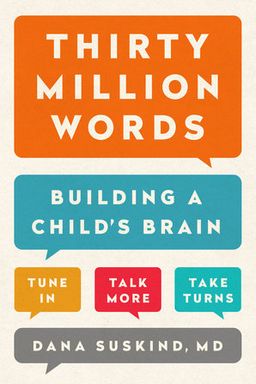
How can thirty million words change the world? In Thirty Million Words, Dr. Dana Suskind argues that the simplest, most profound force shaping a child’s brain—and society itself—is the everyday conversation between parents and their children. She contends that parent talk is not just communication; it is brain nutrition that determines cognitive growth, emotional stability, and the future success of a generation.
Drawing from her work as a pediatric cochlear implant surgeon at the University of Chicago, Suskind saw firsthand that children given the gift of hearing through technology thrived only if their parents provided rich language interaction. One child, Zach, blossomed after implantation because his home was filled with talk, books, and laughter. Another, Michelle, with the same implant but little parental engagement, struggled to learn even simple words. This disparity led Suskind to the pioneering work of Betty Hart and Todd Risley, whose groundbreaking study revealed that by age three, children from affluent families hear about thirty million more words than children from families in poverty—a difference that predicts vocabulary, IQ, and school achievement far into the future.
Suskind’s core argument is both urgent and empowering: every parent, regardless of income or education, has the power to shape their child’s brain through consistent, caring conversation. Her research team’s initiative at the University of Chicago—known as the Thirty Million Words Project (TMW)—translates decades of neurodevelopmental science into accessible action steps for parents. Central to this movement are the Three Ts: Tune In, Talk More, and Take Turns, habits that turn ordinary moments like mealtime, diaper changes, or play into brain-building opportunities.
The Science Behind Those Words
At the heart of Suskind’s message is neuroscience. The human brain is not born fully formed—it is sculpted by experience. Between birth and three years, a baby’s brain creates 700 to 1,000 new neural connections every second. Those connections are strengthened—or pruned—based on the quality of interaction the child receives. Warm, responsive, conversational language accelerates development, while silence or harsh communication can stunt it. This concept, called neuroplasticity, explains why early experience has lifelong effects on learning and behavior.
Building on Anne Fernald’s and Patricia Kuhl’s studies, Suskind shows that babies learn words through live, reciprocal conversation, not passive listening or screens. The implications are clear: it’s not just words alone, but the quality, tone, and engagement that matter. Every coo, smile, and story contributes to the architecture of the brain—a process as vital as food and shelter.
From Neuroscience to Action
Suskind’s book bridges the gap between theory and practical application. The Three Ts method empowers caregivers:
- Tune In means observing what your child is focused on and joining that experience, reinforcing shared attention and trust.
- Talk More encourages narrating the world—adding words and context that help the brain build cognitive connections.
- Take Turns highlights the importance of conversation as a back-and-forth exchange, even before children speak.
These principles, supported by technology like the LENA recording device—a kind of “word pedometer”—allow parents to measure and improve talk quantity and quality. Yet Suskind cautions that technology is no substitute for human interaction. Real conversation, face-to-face and emotionally warm, is the irreplaceable catalyst of development.
Why It Matters for Society
The larger purpose of Thirty Million Words extends beyond the family unit. Suskind connects early language to social equity. Half of U.S. children now live in low-income homes, and the achievement gap mirrors the growing income divide. Society invests billions in preschool remediation, yet neglects the most formative years—birth to age three—when language builds intellectual foundations.
By reframing parenting as the front line of education policy, Suskind calls for a societal growth mindset: a national commitment to recognize parents as brain builders and to provide them with support systems. Programs like Educare, Mind in the Making, and Too Small to Fail embody this shift, offering scientific guidance and community partnerships that empower families to nurture their children’s cognitive, emotional, and linguistic potential. (Similar calls for early investment echo James Heckman’s economic research on the immense ROI of early childhood development.)
Ultimately, Suskind’s vision is that no child—regardless of zip code or circumstance—should miss the opportunity to reach their full potential because of an impoverished language environment. Her message is remarkably hopeful: if we can send people to the moon, we can certainly ensure that every parent knows the power of talking with their child. Thirty million words aren’t just sounds—they’re the building blocks of intelligence, empathy, and equality. And they begin with you.