
Idea 1
The Power to See Things Differently
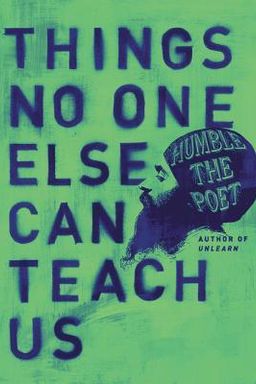
Have you ever felt stuck, overwhelmed, or convinced that life’s challenges are unfairly directed at you? In Things No One Else Can Teach Us, Humble the Poet argues that every experience—especially the painful, confusing, and disappointing ones—is an opportunity to transform the way you see yourself and the world. His central claim is simple yet radical: no one else can teach you how to change your perspective, but once you do, everything begins to change.
Drawing from personal stories of heartbreak, loss, trauma, and triumph, Humble the Poet contends that wisdom is not something we are given but something we earn through struggle—what he calls “tuition for life.” Like Albert Camus’s idea of finding an “invincible summer” within us, this book invites you to look beyond superficial fixes and motivational catchphrases. Instead of waiting for someone to save you, you are encouraged to recognize your own role as teacher, student, and alchemist in transforming adversity into strength.
Seeing Beneath the Surface
The author opens with his reflections on chasing an idealized image of “success”—one that came from fantasies about being a writer who lived romantically by a lake, seduced by inspiration and adoration. When life failed to match these expectations, he felt betrayed and disappointed. His turning point came when he realized that the beauty he sought was already present in his circumstances; he just had to see differently. We are often trapped in this same illusion, convinced that there’s a perfect life waiting if only we can fix our job, relationship, or situation. Humble’s realization—that real change starts within—sets the foundation for every idea in this book.
Facing the Temporary Nature of Life
Life’s impermanence terrifies and comforts us. The author’s stories of losing loved ones and realizing the fragility of friendships reveal that appreciation must come from the awareness that nothing lasts forever. “Everything comes to pass,” he writes, meaning that joy and sorrow are equally transient. Once we accept this, we stop grasping for permanence and can cherish the fleeting beauty of each moment. (In Viktor Frankl’s Man’s Search for Meaning, a similar insight arises: suffering ceases to be meaningless when it becomes part of a purposeful story.)
Learning Through Experience, Not Information
From losing his friend Boomerang and confronting mortality, to surviving a traumatic mugging, Humble reminds you that life’s hardest lessons aren’t found in self-help slogans—they are taught through lived experience. He calls this “Da Game,” borrowing from Snoop Dogg’s album title: the idea that wisdom is earned, not told. Advice can feel good for a moment but rarely sticks; transformation happens only when you’ve paid the price through heartbreak, rejection, or trial. Those moments, though painful, are how you learn what no one else can teach you.
Why Perspective Is Freedom
Ultimately, Humble the Poet’s argument collapses all external barriers into one internal challenge: how you decide to interpret what happens to you. Every chapter shows a unique angle of shifting perspective—from accepting impermanence and knowing yourself, to overcoming self-pity and reframing failure. In the end, this book champions empowered opportunism—a mindset where you stop labeling experiences as good or bad and start asking, “What is this here to teach me?” This shift is the author’s idea of freedom: the power to respond with composure, curiosity, and compassion no matter what life serves you.
By tracing his journey from broken artist to self-aware human, Humble teaches that happiness is not found in certainty or success but in embracing contradictions—the gray between the black and white. What matters most is your capacity to stay open, keep questioning, and see the lessons hiding inside your pain. Once you understand that, you realize the book’s ultimate message: you already have the tools for wisdom; you just have to use them.