
Idea 1
Building Unbreakable Trust Through Radical Transparency
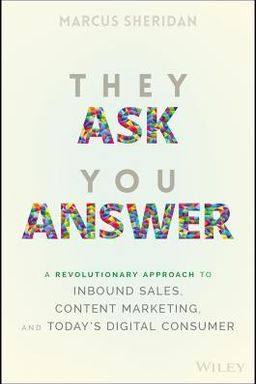
Have you ever hesitated to give a customer all the information they asked for—especially if that information might expose your weaknesses or make competitors look good? In They Ask, You Answer, Marcus Sheridan argues that this hesitation is exactly what kills trust, credibility, and sales in the digital age. He contends that the most successful businesses today don’t hide behind marketing jargon or guard their secrets; they thrive because they commit to radical honesty with their buyers.
Sheridan’s message is simple but revolutionary: if you want your company to grow, trust must come first—and transparency is how you build it. The philosophy boils down to four words that every organization can live by: They Ask, You Answer. Whenever a customer asks a question, no matter how tough, uncomfortable, or seemingly risky to answer, your job is to respond fully and truthfully. That’s how you become the most trusted voice in your industry instead of just another brand trying to sell something.
A Story Born from Desperation
Sheridan’s philosophy was forged in crisis. In 2008, the U.S. economy collapsed, and his small Virginia pool company—River Pools and Spas—was bleeding cash, facing bankruptcy, and unable to pay employees. With no marketing budget left, he turned to Google, reading everything he could about inbound marketing, blogging, and digital trust-building. What he discovered was that people wanted to be educated, not sold. They didn’t need slick ads; they needed honest answers.
By pivoting his business to teaching instead of selling—answering every question customers asked online—Sheridan rebuilt River Pools from the verge of failure into the most trafficked pool website in the world. His most famous blog post, “How Much Does a Fiberglass Pool Cost?”, broke every industry taboo about discussing price publicly yet generated over $3 million in sales. The business he almost lost became an international case study in digital trust-building, proving that teaching beats pitching every time.
Why Buyers Have Changed Forever
The book argues that the Internet has transformed how people buy—and therefore how companies must sell. Today’s consumers make about 70 percent of their buying decision before ever contacting a sales representative. They research online, read reviews, and compare options long before speaking to anyone. This means marketing and sales are now intertwined; marketing educates, sales supports, and both must collaborate on content that builds trust.
Sheridan sees this shift not as a threat but as an opportunity. If you can answer customers’ questions better than anyone else—on your website, through video, in guides, and social posts—you’ll naturally become their go-to source of information. When they’re ready to buy, they’ll choose you because they already trust you. (This thinking echoes Seth Godin’s Permission Marketing and Donald Miller’s StoryBrand, both of which also emphasize empathy and education over persuasion.)
The Five Questions Every Customer Asks
After years of experimentation, Sheridan discovered five topics—what he calls the Big 5—that move the needle in every industry. These are the questions every buyer research process revolves around:
- Pricing and costs
- Problems (the flaws and risks of your product or service)
- Comparisons (“this vs. that” questions)
- Reviews
- Best in class (who are the best companies in your space)
When you openly address these, you stop trying to manipulate customers and start empowering them. Sheridan calls avoiding these topics “ostrich marketing”—burying your head in the sand and pretending customers won’t find out the truth elsewhere. But they will—and if you let someone else be the one to educate them, you’ve already lost.
A Blueprint for Transformation
Throughout the book, Sheridan outlines a blueprint for transforming any company into a trusted educator. This means integrating content marketing with sales training, assigning ownership to a content manager, and creating alignment between leadership, sales, and marketing. He further emphasizes insourcing—empowering employees to create their own content and share their expertise instead of outsourcing storytelling to an agency that doesn’t live the company culture.
He also introduces assignment selling—a method where salespeople use educational content (articles, videos, guides) in the sales process to help prospects become more informed before meetings. Doing this filters out poor fits, saves time, and increases closing rates. In River Pools’ case, prospects who read 30 or more pages of content closed at 80%, compared to just 20% for those who hadn’t.
Why “Being Different” Isn’t Special
Finally, Sheridan warns against the “we’re different” mindset that keeps companies from changing. Every business believes it’s unique, but at the most fundamental level, every company is built on trust—and trust comes from communication, not secrets. Whether you sell swimming pools, software, or surgery tools, your buyers still crave the same things: transparency, education, and confidence in their decision.
Core Idea:
In a world overflowing with marketing noise, the most trusted brands win not because they shout louder but because they listen better. They Ask, You Answer teaches you how to turn consumer curiosity into sales—and skepticism into enduring trust.
Those who adopt this model don’t just sell more; they reshape their industries by setting a new standard for honesty, clarity, and education. This is the heart of Sheridan’s philosophy—and the reason his four-word answer has changed thousands of companies worldwide.