
Idea 1
The Female Brain, Bias, and a New Science of Health
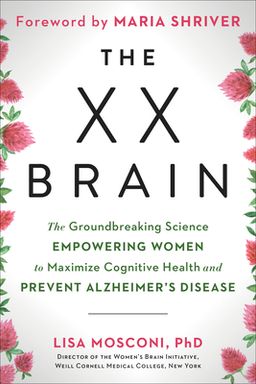
How can you protect your brain when the very system meant to heal you was built with someone else in mind? In The XX Brain, neuroscientist Lisa Mosconi argues that the female brain has been systematically understudied, misunderstood, and underserved. For centuries, medicine treated men as the default and women as deviations—an oversight Mosconi calls the legacy of “bikini medicine.” Only recently have researchers begun to recognize that women’s brains, hormones, and disease risks differ in measurable, actionable ways.
Her central claim is science-based and urgent: estrogen is a master regulator of the female brain, influencing memory, emotion, energy metabolism, and resilience against disorders like Alzheimer’s. When estrogen production declines—especially around menopause—the brain’s metabolism shifts in visible ways. Understanding this biology isn’t about pathologizing womanhood; it’s about reclaiming agency in how women navigate health through every life stage.
Medicine’s gender blindspot
Historically, women were excluded from most clinical trials after the thalidomide tragedy to avoid harming potential pregnancies. That caution, though understandable, had devastating fallout: decades of research produced diagnostics, drugs, and dosing regimens based on male physiology. As Mosconi highlights, even sleep medications like zolpidem were over-prescribed to women—until the FDA halved the dose after accidents mounted. Eight of ten drugs withdrawn from the U.S. market between 1997–2000 harmed women more than men. The so-called Yentl syndrome describes how women must manifest “male-type” symptoms to be believed or properly treated.
Regulatory changes in the 1990s mandated inclusion of women, yet many studies still combine male and female data without separating results by sex. Mosconi urges you to challenge this: ask whether your test results, prescriptions, and risk assessments are validated for women. Only by demanding gender-specific data will the clinical world correct course.
The gendered brain: estrogen’s central role
Mosconi’s imaging research reveals that estrogen acts like a metabolic guardian in the female brain. It enhances glucose utilization—the brain’s main fuel—maintains synaptic communication, and defends neurons from damage. When estrogen declines sharply in perimenopause or after oophorectomy, brain scans show reduced metabolic activity (sometimes up to 30% lower)—patterns linked to memory complaints and future Alzheimer’s risk. Men’s hormones decline far more gradually, so their brains don’t face the same energetic cliff.
These findings reframe menopause not as beginning of decline but as a biological inflection point. The brain is reorganizing; symptoms like hot flashes, mood swings, or insomnia often originate neurologically, not emotionally. With awareness and intervention—from proper sleep hygiene to hormone therapy and lifestyle changes—you can thrive rather than fade during this transition.
A gendered epidemic: why Alzheimer’s is female
According to Mosconi’s MRI and PET data, women make up two-thirds of Alzheimer’s patients—not simply because they live longer. The decline in estrogen during midlife overlaps with the earliest detectable brain changes associated with Alzheimer’s disease. Genes like APOE-4 interact differently with estrogen pathways, accelerating metabolic slowdown in female carriers. Yet Mosconi insists genes are not destiny: environment and lifestyle can modify expression, slowing or preventing disease.
She reframes Alzheimer’s as a women’s health issue—akin to how breast cancer became a focal point of female health advocacy decades earlier. Women are not just more likely to develop dementia; they also bear the caregiving burden for others. This dual exposure—biological and social—makes brain health a feminist issue as much as a medical one.
Precision medicine and prevention
Across the book’s chapters, Mosconi offers practical tools for women to take charge of brain and hormonal health. Precision medicine means investigating your unique profile—lab markers like glucose, insulin, lipids, inflammatory proteins, B12, omega-3 index, and thyroid hormones—and interpreting them through a sex-specific lens. Add imaging (MRI, PET) and questionnaires, and you gain a comprehensive map of your modifiable risks.
She treats lifestyle not as generic advice but as molecular therapy: the Mediterranean diet nourishes brain metabolism and reduces inflammation; activity tailored to women’s physiology enhances neuroplasticity; and stress management practices—like the 12-minute Kirtan Kriya meditation—help regulate cortisol and restore deep sleep where the brain literally cleans itself.
From awareness to action
The message is empowering: you can’t control your genes or the passage of time, but you can modify how those forces interact with your biology. Mosconi shows women how to use science—once a source of exclusion—as a tool for self-knowledge and agency. Prevention starts early: track your hormonal milestones (puberty, pregnancy, perimenopause), protect your heart, feed your gut microbiome, and avoid toxins that mimic hormones. Whether you choose food-based phytoestrogens or evidence-backed supplements, the goal is the same—to optimize how your brain ages.
In short, The XX Brain is a manifesto for reclaiming scientific authority over female biology. It’s about shifting medicine from man-centered averages to woman-centered precision, recognizing that your brain, hormones, and experiences aren’t anomalies—they are the template for half of humanity. Once seen clearly, this truth changes how we define health itself.