
Idea 1
The Wild Approach to Food and Life
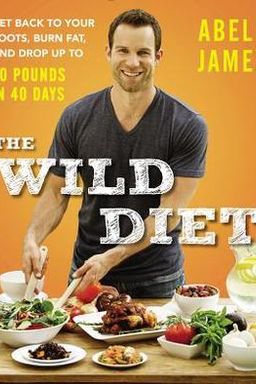
Why do so many people feel constantly hungry, tired, and trapped in cycles of dieting? In The Wild Diet, Abel James argues that modern food and living habits have turned us into overfed but undernourished creatures. His mission is to reclaim a more natural, ancestral way of eating and moving—not as nostalgia, but as a scientifically grounded reset for how you use food, timing, and lifestyle to transform health.
Processed foods have been engineered to hijack appetite, while marketing convinces us that willpower, not manipulation, is the issue. Abel reframes health as a return to biological wisdom—eating real food, moving efficiently, sleeping deeply, and aligning your daily rhythm with natural cycles. The book merges ancestral ideas with modern biohacking to create a flexible system that helps you burn fat, gain energy, and live well.
Food as manipulation—and liberation
Abel explains how Big Food replaced nutrient-dense ingredients with addictive substitutes—refined flours, industrial oils, and hidden sugars. Sugar consumption, for instance, skyrocketed from 4 pounds per person a century ago to over 150 pounds today. These products spike insulin, crash your blood sugar, and push your body to store fat instead of burn it. His message is empowering: you’re not failing—your food is engineered to make you crave more.
Escaping this trap starts with real food. Abel distinguishes between foods that were recently alive and those that come from factories. Wheat, oils, and “natural flavors” have been stripped and modified; in contrast, pasture-fed meats, vegetables, and fermented foods feed your hormones and microbiome instead of your cravings.
Hormonal balance: the real key to fat loss
Throughout the book, Abel returns to one controlling idea: it’s not calories that make you gain fat, but hormones—especially insulin. Processed carbs and sugars stoke insulin, blocking fat release. When you eat fewer of these and shift to quality fats and proteins, your metabolism changes from sugar-burning to fat-burning mode. This distinction—metabolic flexibility rather than calorie counting—defines the Wild Diet’s uniqueness (similar to principles in books like Why We Get Fat by Gary Taubes).
Abel’s own transformation embodies this lesson: after gaining weight on a low-fat, calorie-restricted plan, he switched to richer, real food—grass-fed butter, eggs, pasture meats—and lost 20 pounds in 40 days. The process works by resetting hormonal signaling, not through deprivation.
Timing: fasting and feasting rhythms
Instead of grazing all day, Abel promotes intermittent fasting as a natural rhythm our ancestors practiced intuitively. He suggests undereating through most of the day and enjoying a nutrient-rich evening feast. This window boosts growth hormone, lowers insulin, and activates cellular repair processes like autophagy. Fasting for 16–18 hours while hydrating with water or fatty coffee improves mental clarity and builds metabolic resilience.
Feasting isn’t bingeing—it’s when you nourish deeply: protein, vegetables, quality fats, and targeted carbs for recovery. Abel’s daily pattern mirrors this: light mornings with smoothies or coffee, active days, and fulfilling dinners. It’s an approach of rhythm, not rigidity.
Movement, recovery, and biological optimization
Match food quality with smart movement. The Wild approach favors brief, intense exercise—sprints, interval training, and full-body strength sessions—over long, draining cardio. Hormetic stress from short bursts builds strength, boosts hormones, and burns fat faster. Daily light activity, playful exercise, and rest are just as important. You grow stronger by balancing stress and recovery, not constant strain.
Beyond movement, Abel emphasizes holistic biology: sleep as the ultimate recovery tool; your microbiome as a metabolic organ; and epigenetics—the science showing lifestyle switches genes on or off. By aligning habits with light cycles, eating whole fermented foods, and prioritizing rest, you reprogram your body for vitality.
Cooking and sourcing as empowerment
The book closes on the joy of food as connection and skill. Abel celebrates home cooking, sourcing local and seasonal produce, and resurrecting old-world habits like nose-to-tail eating and fermentation. Cooking becomes a daily rebellion against industrial convenience—and a way to build family bonds and community. Learning to soak and dehydrate nuts, make bone broth, and ferment sauerkraut replaces dependency with self-reliance.
Finally, Abel extends these principles beyond humans—showing that even feeding pets a raw, species-appropriate diet improves their vitality. The broader insight is unmistakable: living “wild” isn’t a fad but a return to harmony between nature, biology, and modern life. When you simplify, align, and enjoy, health stops being a struggle and becomes a celebration.