
Idea 1
The Confusion About Vitamins—and The Science that Solves It
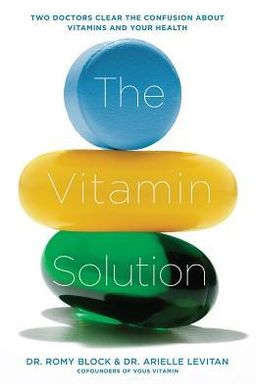
Have you ever stood in front of the supplements aisle, staring at rows of bottles, and wondered which ones—if any—you actually need? That confusion is exactly what The Vitamin Solution: Two Doctors Clear the Confusion About Vitamins and Your Health by Dr. Arielle Levitan and Dr. Romy Block aims to untangle. Written by two physicians who grew frustrated with misinformation about vitamins and nutrition, this book offers a grounded, research-based look at what works, what doesn’t, and what might even harm you. It’s both myth-busting and practical—a guide informed by science and sharpened by years of treating real patients.
The authors make the case that vitamins, when used appropriately, can be essential for vibrant health—but that the one-size-fits-all supplements marketed to the public are rarely helpful. The key, they argue, lies in personalization. Your vitamin needs depend on who you are—what you eat, where you live, your health history, and your lifestyle. This idea ultimately inspired their company, Vous Vitamin, which creates customized supplements. But this book goes much deeper. It attempts to educate readers so that they can make informed choices, even if they never buy a single product.
Why Vitamins Matter—and Why We’re So Confused
Levitan and Block begin with a candid confession: even medical school gave them little guidance about nutrition. Like many of their patients, they once viewed vitamins as optional at best and faddish at worst. But as their medical careers progressed, they realized that nutritional deficiencies caused more problems than most people—or doctors—recognized. Their patients’ recurrent fatigue, hair loss, mood swings, or gut troubles often traced back to simple nutrient imbalances. The modern diet, despite looking abundant, doesn’t guarantee that we get enough of the right vitamins. Yet too much can also be toxic.
Compounding the problem, the vitamin industry is largely unregulated. Unlike prescription drugs, supplements don’t require FDA approval before hitting store shelves. This means anyone can sell pills that promise immunity, beauty, or mental clarity without proving efficacy—or even purity. As the doctors attest, they’ve seen patients land in the ICU from contaminated or overdosed supplements. The result is widespread distrust and confusion: some people take handfuls of pills daily, while others avoid vitamins altogether. Both groups are missing the mark.
The Book’s Structure: From Myths to Medicine
The Vitamin Solution is divided into five major parts: Setting the Stage, Vitamins for Specific Ailments, Vitamins for Prevention, Beyond Vitamins, and Final Thoughts. Early chapters dissect myths (for instance, whether everyone should take a multivitamin or whether “natural” means “safe”) and recount “horror stories” of patients harmed by bad advice. Later sections dive deep into particular conditions—fatigue, hair loss, depression, migraines, menopause, and more—showing which vitamins, when used responsibly, can alleviate symptoms. Then comes prevention: vitamins for bone strength, memory, sleep, blood sugar, and heart health. Finally, the authors broaden their focus, linking vitamins with lifestyle factors like diet, exercise, and sleep.
Their method is refreshingly systematic. For each concern, they explain potential causes, summarize scientific research, clarify which supplements have credible evidence, and list safe dosage ranges. They frequently remind readers that balance—not megadosing—is crucial. Many vitamins (especially A, D, E, and K) are fat-soluble, meaning they build up in the body and can become toxic. Water-soluble vitamins like C or B may seem safer, but some can cause nerve or skin issues in high doses. In short, more isn’t better—it’s often worse.
A Personalized Framework for Health
Levitan and Block stress that testing, tracking, and tailoring are the foundation of effective supplementation. Your vitamin plan should evolve as your life changes: pregnancy, stress, climate, or menopause can alter what your body needs. They also fold in countless practical tips—like taking iron with vitamin C for better absorption or storing vitamins by your coffee maker so you remember the daily dose. Their practical tone transforms abstract nutrition science into daily habits.
Throughout, they weave in stories from their Chicago-area medical practices. One woman’s fatigue turns out to be low iron. A “thyroid problem” in another patient vanishes when magnesium and vitamin D deficiencies are corrected. A third woman’s “adrenal fatigue” morphs into a lesson on stress and self-care—no glandular hormones required. These examples humanize the science and reflect a theme also found in books like How Not to Die by Michael Greger or Eat to Beat Disease by William Li: nutrition can heal when used wisely, but misinformation can harm.
Beyond Pills: The Lifestyle Equation
The authors don’t reduce wellness to what’s inside a capsule. They view vitamins as one link in a chain of healthy habits—alongside exercise, stress reduction, sleep, and sensible nutrition. In their view, the “vitamin solution” is just part of a larger equation: fill in the nutritional gaps while simultaneously fixing the lifestyle patterns that create those gaps. You can’t “supplement your way out” of fast food and burnout any more than you can pop a multivitamin and ignore chronic fatigue. Their message aligns with other holistic medical voices, such as Andrew Weil or Mark Hyman, who blend conventional medicine with evidence-based nutrition.
By the end of the introduction and early chapters, you feel both reassured and empowered. The Vitamin Solution doesn’t ask you to subscribe to every vitamin trend; it asks you to think critically. It champions moderation, personalization, and scientific literacy in a marketplace often driven by fear or hype. Whether you’re overwhelmed by supplements, skeptical of them, or simply curious how they fit into preventive health, Levitan and Block offer a roadmap: clear, calm, and rooted in both modern medicine and empathy for the everyday person trying to feel better.