
Idea 1
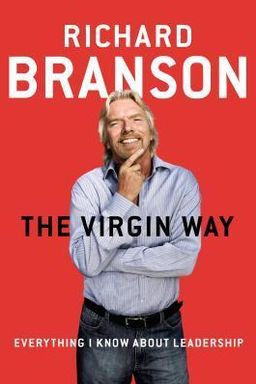
The Virgin Way: Human-Centered Leadership
At its heart, The Virgin Way is Richard Branson’s manifesto for leadership built on listening, compassion, and humanity. He doesn’t claim to have discovered new management theories; instead, he argues that great leadership is learned from experience — starting at home, shaped by mistakes, and refined through interaction. The book blends autobiography, business advice, and social philosophy to describe how you can build authentic, fun, and resilient organisations through human trust rather than rigid control.
Leadership Begins at Home
Branson insists leadership roots lie in family. His parents, Eve and Ted, modelled entrepreneurial courage and moral restraint. Eve taught him experimentation and endurance — she crafted and sold wooden household items, teaching him through failure and iteration that moving fast beats dwelling on mistakes. Ted showed empathy and balance — the “fake spanking” story exemplifies how dignity can be preserved even when discipline is needed. These early lessons became Virgin’s cultural DNA: take risks, forgive quickly, and move forward.
(Note: This echoes modern leadership discussions in books like Daniel Goleman’s Emotional Intelligence, where early emotional models shape adult decision-making.)
Listening as the Core Skill
Branson redefines listening from a passive habit to an active leadership skill. He cites the notebook habit he began in the 1960s while interviewing musicians — writing down what people said helped him internalise ideas and track promises. Listening in this way transforms how people feel in organisations. When leaders keep silent long enough to hear, employees offer their best insights. He cites Winston Churchill’s saying: “Courage is what it takes to stand up and speak; courage is also what it takes to sit down and listen.” The Virgin Way demands that you cultivate both kinds.
Culture Over Strategy
Branson believes that culture, not spreadsheets, defines endurance. From Virgin Records to Virgin Hotels, he built atmospheres of fun and approachability. Playful rituals — beanbag offices, limbo contests, April Fool campaigns — made work a place of shared energy. Like Herb Kelleher’s Southwest Airlines, Virgin’s joy translated into customer delight. Fun strengthens culture, creating trust and breaking down hierarchy. The book frames culture as a competitive moat, fragile yet powerful enough to outlast product cycles.
Second Chances, Compassion, and Risk
Forgiveness is a recurring thread. Branson recounts how giving a dishonest employee another chance produced an iconic career in music. He extends this philosophy into social entrepreneurship — supporting ex-prisoner hiring programs and re-entry initiatives. His point: mercy is not sentimental softness but pragmatic leadership. People who’ve been trusted with redemption show exceptional loyalty. At Virgin, compassion becomes performance fuel.
Simplicity and Clear Voice
Communication drives all Virgin ventures. Branson applies the KISS principle (“Keep It Simple, Stupid”) not only to branding but to meetings, speeches, and decision-making. He urges leaders to cut jargon, use one-page summaries, and replace verbal clutter with genuine curiosity: “What do you think?” Simplicity ensures you are heard — and when paired with humour and authenticity, it makes leadership relatable. He calls for burning down empty mission statements and replacing them with living manifestos that employees can act on daily.
From Home Values to Global Impact
Ultimately, Branson’s philosophy connects personal ethics with organizational scale. Leadership isn’t a skill manual but a moral practice; it starts with listening and ends with compassion, anchored in simplicity and trust. The Virgin Way blends entrepreneurship with humanity — building companies that forgive, innovate, and act boldly but kindly. For Branson, love of people is not a distraction from profit; it is the reason profits become sustainable.
Core Idea
Leadership is not learned in boardrooms but in kitchens, mistakes, notebooks, and second chances. The Virgin Way is the art of listening and leading with human connection as the primary strategy.