
Idea 1
Taste as a Map of Ecology
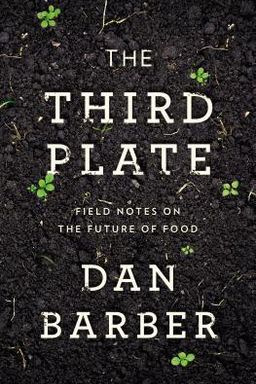
Every meal you eat is a reflection of an ecosystem. In The Third Plate, Dan Barber argues that flavor doesn’t emerge in the kitchen but from the living systems that sustain food—soil, seed, animals, water, farmers, and culture. To understand great taste, you have to learn how ecology, ethics, and cuisine intersect. The book is a journey through farms, fisheries, and kitchens that reveal a single truth: sustainable flavor depends on designing relationships, not isolating ingredients.
From farm-to-table to system thinking
Barber begins by dismantling the farm-to-table myth. Buying local is not enough if you still chase the same high-value cuts or crops that distort agriculture. He calls this the first plate—the traditional meat-and-veg dinner dependent on industrial systems—and the second plate—the farm-to-table version that swaps organic for industrial but maintains the same hierarchy. The third plate, his proposed alternative, is a cuisine shaped by ecology: dishes that make ecological sense before culinary sense.
You learn this lesson early through Glenn Roberts’s Eight Row Flint corn and Jack Algiere’s polenta. Their collaboration, rooted in heirloom genetics, companion planting, and care from seed to mill, produces corn with astonishing aroma and sweetness. Taste, Barber insists, is proof of ecological health. When soil, variety, and farmer align, flavor becomes an indicator—a signal that the system is thriving.
Soil and the hidden community
Barber delves underground with farmers like Klaas Martens and scientists such as William Albrecht and Elaine Ingham. They reveal soil as a living, breathing community: microbes, fungi, and nematodes form a web that feeds plants, resists pests, and concentrates flavor. Chemical shortcuts sever that web, leading to bland crops and fragile ecosystems. Healthy soil, managed with compost and rotation rather than soluble nitrogen, holds the key to resilience and flavor intensity.
Klaas’s story of reading soil through weeds—where milkweed signals zinc deficiency and wild garlic a lack of sulfur—shows you that farming intelligence is diagnostic, not mechanical. The soil speaks; successful farmers listen. This diagnostic humility mirrors what chefs must learn: see ingredients not as static products but as living outcomes of systems.
Culture as ecology
Across continents, Barber visits systems that integrate culture and place. The Spanish dehesa, for instance, fuses oaks, pigs, cereals, and grass into a resilient mosaic sustained by shared rules and inheritance. Jamón ibérico isn’t just cured meat; it’s the taste of acorns, mobility, and restraint. Similarly, Eduardo Sousa’s natural foie gras and Ángel León’s plankton-based cuisine show that ethics, ecology, and flavor can reinforce one another. You can’t separate deliciousness from responsibility when both depend on thriving environments.
Designing for the future plate
Barber’s quest culminates in a reimagined table—one that makes soil-building crops, low-trophic fish, and diverse grains central. He envisions chefs and diners as ecological actors who create markets for what the land and sea need to produce. The third plate thus becomes both a menu design and a moral compass. It teaches you that true gastronomy is applied ecology: an ongoing negotiation between pleasure and planetary limits.
A guiding insight
Flavor is evidence. When food truly sings, you are not tasting luck or technique—you are tasting the vitality of a system where soil, seed, and stewardship converge.