
Idea 1
The Humanization of Business in the Thank You Economy
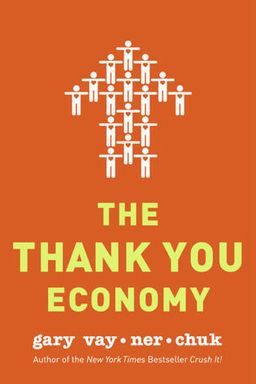
When was the last time a company made you feel genuinely valued—not just as a customer, but as a person? In The Thank You Economy, Gary Vaynerchuk argues that the future of business belongs to those who can scale that kind of authentic, human connection. His central claim is simple yet radical: in an era dominated by social media and endless digital noise, caring personally and deeply about customers will become the single most powerful competitive advantage.
Vaynerchuk contends that technology hasn’t changed human nature—it has merely amplified it. People still crave the respect, attention, and kindness that characterized small-town commerce a century ago. What has shifted is scale and speed. Social media has turned the world into one giant, interconnected village where word of mouth can travel globally in seconds. In this environment, companies that act like Butcher Bob—the friendly local shopkeeper who knows your name—can now do so for millions of people. That’s the essence of the Thank You Economy.
Through personal anecdotes and case studies, Vaynerchuk reveals how businesses of all sizes—from burger joints in Milwaukee to boutique hotels in California—are thriving by replacing empty corporate marketing with authentic interaction. He argues that the digital revolution isn’t just a technology shift but a cultural transformation: success now depends on emotion, empathy, and engagement rather than on traditional advertising metrics.
Why Caring Became Powerful Again
Vaynerchuk connects modern marketing to business’s forgotten roots. Decades ago, small-town shopkeepers built loyalty by treating every customer as a relationship, not a transaction. That changed with the rise of big business and automation, when corporations traded personal service for efficiency and scale. Social media has reversed that trend. Today, platforms like Twitter and Facebook have resurrected the power of conversation—only now, the potential reach has multiplied infinitely.
He reminds us that word of mouth, once limited to neighbors and friends, now spreads through digital tribes. When you tweet a company about bad service, everyone in your network hears about it. This public visibility means good manners, empathy, and responsiveness are no longer optional—they're measurable assets.
The Emotional ROI
The book refutes the old business adage that “you can only manage what you can measure.” Not all returns are quantifiable, Vaynerchuk insists. The return on emotion—the loyalty born from genuine engagement—often outweighs the short-term financial gain. A single heartfelt response from a brand can generate thousands of dollars in earned media when customers share their joy online. In the new economy, investing in relationships is smarter than investing in platforms.
Key Idea
“The Thank You Economy rewards those who are willing to care more—about their customers, their employees, and their communities.” Companies that succeed in this new era won’t be those with the biggest budgets, but those with the biggest hearts.
What You’ll Learn From This Book
Throughout the chapters, Vaynerchuk maps out a blueprint for building an empathetic, relationship-driven business. You’ll learn how to infuse culture, intent, and authenticity into every interaction; how traditional and social media can complement each other; how to “shock and awe” customers with delightful surprises; and how small gestures can scale in the digital age.
Along the way, he shows that caring isn’t a risk—it’s an investment. The companies that embrace this mindset will build lasting emotional capital. Those who cling to old numbers-based models will fade into irrelevance. The heart, Vaynerchuk insists, will always outperform the algorithm.
Ultimately, The Thank You Economy isn’t just about social media—it’s about restoring humanity to commerce. It challenges you to see marketing as an act of generosity, leadership as a form of empathy, and success as the result of relationships that scale without losing their soul. In short, Gary Vaynerchuk calls for nothing less than a revolution of caring—and he believes it’s already here.