
Idea 1
The Human Quest for Status
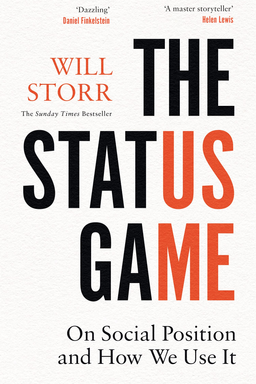
Why do you care so deeply about respect, recognition and reputation? In The Status Game, Will Storr argues that status is not a shallow obsession but a fundamental human need — as essential as food or shelter. Your mind is a social survival machine built to secure belonging and rank within groups. Whether you’re leading a meeting, posting online or parenting, you are always trying to earn, display or defend status.
Storr’s claim is radical because it reframes most of what you do as play inside invisible status hierarchies. From ancient tribes to digital tribes, the brain measures relative position like a GPS — it scans faces, voices, symbols and even digital likes to decode where you stand. Winning feels like meaning; losing can literally make you sick. Evolutionary psychologists such as David Buss show that higher rank once meant survival advantages — better food, safer shelter, and more offspring — so the brain still treats esteem as a survival currency.
Why Status Feels Like Oxygen
When you gain esteem, your brain releases serotonin and other reward chemicals. When you fall in status, you feel humiliation and shame — emotional alarms that once prevented exile. Studies by Michael Marmot on British civil servants show that even modest drops in rank correlate with higher risks of heart disease and early death, independent of income. In monkeys, demotion increases arterial plaque within weeks. You literally embody your rank.
That connection between rank and health explains why you crave signals of respect. Ben Gunn’s story illuminates this vividly: after decades in prison, he rebuilt selfhood by earning status as a jailhouse lawyer, blogger and award nominee. But once free, his specialised rank collapsed in the outside world — the game’s rules changed and his psychic scaffolding disappeared. The status that saved him inside destroyed him outside.
The Games We Play
Storr shows that we earn status in three main ways: by dominance (power and fear), by virtue (moral purity) or by success (competence). Every institution and ideology blends these modes. Corporations rely on measurable success; religions sanctify virtue; political autocracies use dominance. Recognising which game you’re in is crucial, because each game rewards different behaviour and carries different social costs.
Dominance grants fast status but corrodes trust; virtue builds cooperation but can spawn moral panics; success fosters innovation but can breed inequality and burnout. Ultimately, the story of civilisation is the story of shifting from dominance and inherited rank toward success systems that reward contribution — a shift that enabled modern prosperity.
Symbols, Rules, and Imagined Worlds
You never experience rank directly; you navigate it through symbols and shared rules. A luxury logo, a job title, or a religious ritual is a token that your culture has agreed signifies esteem. Anthropologist William Bascom’s yams of Pohnpei illustrate this — huge yams served no nutritional purpose but acted as public trophies of skill and standing. Likewise, your social feeds, fashion choices, or professional jargon operate as ceremonial badges in imagined status worlds.
Rules make symbols meaningful. They define what counts as virtue or success in a group, from corporate etiquette to religious law. Crossing cultures feels disorienting because their rulebooks differ: a gesture of humility in Japan might seem weakness in America. Storr invites you to see these rules as cultural software shaping your conscience — and once you see the code, you can choose which games to play and which illusions to leave behind.
The Dangerous Side: When Status Turns Toxic
Because humiliation feels like annihilation, fallen players sometimes reach for violence as a twisted restoration of pride. Psychologist James Gilligan found chronic humiliation at the root of most prison violence; Storr connects the same pattern to mass shooters such as Elliot Rodger and Ed Kemper and to global tragedies like terrorism and war. Nations humiliated by defeat often pursue restoration through conflict. Psychologist Evelin Lindner calls humiliation “the most potent weapon of mass destruction.”
At an even larger scale, tyrannies exploit this emotion. Hitler turned post‑Versailles humiliation into moralised grandiosity: Germans were told they were chosen victims rising to greatness. Stalin used similar scripts to transform envy into persecution. When a movement defines moral virtue by loyalty to its game and offers real status rewards — jobs, medals, belonging — it becomes addictive, often sliding toward totalitarianism.
Status in the Modern Age
Modern life multiplies these dynamics through technology and politics. Social media gamifies prestige through likes and followers; the neoliberal era ties dignity to market success; culture wars turn moral certainty into a form of social currency. Across these fronts, status compulsions drive attention, anxiety and division. You exist in overlapping games — professional, digital, ideological — each with different scoreboards.
Yet Storr ends not with cynicism but instruction. You cannot stop playing, but you can play better. By recognising how your mind tallies esteem, by diversifying your status sources, and by designing games that reward actual competence and generosity, you can sustain meaning without succumbing to addiction or cruelty.
Core Idea
Status is the hidden engine of human behaviour. You are always playing for esteem — but by seeing the game clearly, you can choose which worlds to inhabit and which stories to believe.