
Idea 1
The Paradox of Infidelity
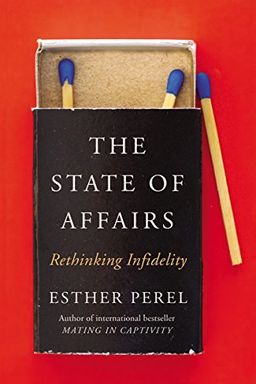
Why do people in committed relationships risk everything for fleeting connection? In The State of Affairs, Esther Perel argues that infidelity cannot be reduced to sin, pathology, or moral failure. Instead, it is a prism that refracts human longing, fear, and identity through the changing light of culture and modernity. She invites you to view cheating not just as betrayal but as a revealing act—one that exposes unmet needs, buried selves, and the contradictions built into modern love.
Perel’s central claim is that infidelity tells us as much about our relationship to ourselves as it does about our partners. In an era when marriage is expected to deliver everything—companionship, passion, belonging, self-expression—the transgression of those vows exposes the immense pressures on monogamy. To understand affairs, you must understand the conditions that breed them: shifting cultural norms, expanded life expectancy, and a psychological hunger for vitality and meaning.
A Cultural Kaleidoscope
Across continents and beliefs, infidelity wears different moral clothes. What is scandal in one society is tolerated in another. In Mexico, the idea of la casa chica—a man’s second household—is treated as social fact, while in suburban America, the same act can destroy reputations. Perel’s storytelling—following betrayed spouses, remorseful lovers, and those who stayed—shows how infidelity reveals our evolving moral and emotional expectations.
Each story collapses neat categories of victim and villain. Benjamin seeks comfort while visiting his wife in a nursing home; Heather, once betrayed, becomes the 'other woman.' Through such reversals, you understand that moral positions are fluid, dependent on context, history, and need. Perel urges you to hold two truths at once: the act wounds, but it also signifies a search for aliveness.
The Redefinition of Marriage
Two hundred years ago, marriage ensured survival; today, it must promise fulfillment. As the institution evolved from pragmatic to romantic to self-actualizing, the cost of betrayal multiplied. A spouse’s affair now feels like an existential threat—it doesn’t just break a vow but dismantles your sense of identity. (Note: Perel contrasts the seventeenth-century concern with legitimacy and property to our contemporary obsession with emotional transparency and authenticity.)
Modern couples crave stability and freedom in the same breath. You want excitement without fear, novelty without loss—conditions that are paradoxical by design. Infidelity often erupts at this intersection between yearning for security and craving for adventure.
Defining Infidelity: Secrecy, Alchemy, Emotion
Perel identifies three essential ingredients that distinguish an affair: secrecy, sexual alchemy, and emotional involvement. Secrecy creates both erotic tension and relational injury—the thrill of transgression amplifies desire even as it corrodes trust. Sexual alchemy refers to the imaginative, anticipatory charge that often matters more than intercourse itself. Emotional involvement—the sharing of intimacies meant only for the couple—frequently wounds deepest. These dimensions help you move from moral outrage to diagnostic clarity about what actually broke in your relationship.
The Modern Meaning of Betrayal
Betrayal today is experienced as a psychic earthquake. Digital evidence—texts, GPS data, photos—intensifies both discovery and trauma. Those betrayed often describe losing not only trust in their partner but also trust in their own memories: every smile, every date becomes suspect. Perel sees recovery as a process of reassembling one's sense of narrative and self through three stages—crisis, meaning-making, and visioning. Healing begins by naming the injury, not just punishing the offender.
The Promise of Rebirth
For Perel, affairs are not prescriptions; they are symptoms. They expose the unfinished business of identity and desire. Whether you are the betrayed or the betrayer, the challenge lies in asking: What does this affair mean? Some couples harness the crisis to reinvent their relationship; others separate with dignity. Either way, understanding the complicated motives behind betrayal allows you to move from moral judgment to self-knowledge. In that sense, this book is not about whether cheating is right or wrong—it’s about what it reveals about the human condition when we cross the line, and how we might live more consciously after the storm.