
Idea 1
The Evolution and Essence of Polyamory
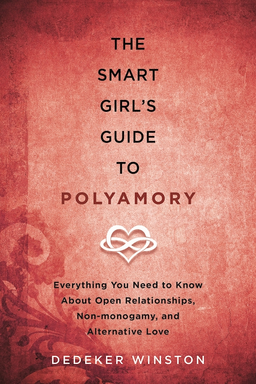
Polyamory challenges the cultural assumption that romantic love must be exclusive. In The Smart Girl’s Guide to Polyamory, Dedeker Winston argues that loving multiple people ethically isn’t a fringe lifestyle—it’s part of an ongoing human exploration of intimacy, autonomy, and consent. But to build relationships beyond monogamy, you need self-awareness, communication skills, and historical perspective. Winston blends history, science, and personal experience to help you design relationships that honor both freedom and responsibility.
From History to Modern Reality
Polyamory isn’t new. Winston traces its lineage from pre-agricultural tribes through property-based marriage systems, religious utopias like the Oneida Community, and countercultural movements of the 20th century. You learn that monogamy gained dominance not because it was biologically natural, but because it protected inheritance and patriarchal control. The modern re-emergence of polyamory—accelerated by the Internet and sex-positive movements—continues this historical negotiation between freedom and order.
Defining the Language of Love
Early in the book, Winston clarifies key terms: non-monogamy (any relationship not based on exclusivity), open relationship (a couple who allows outside sexual or emotional partners), and polyamory (multiple romantic relationships with consent and transparency). Labels are valuable starting points but inadequate endings. Saying “I’m poly” opens the door to follow-up questions—what agreements do you have, how do you manage jealousy, what does commitment mean for you?
Polyamory differs sharply from infidelity or polygamy. Consent transforms everything. Ethical non-monogamy centers honesty and agency rather than secrecy or hierarchy imposed by tradition. Winston shows that what makes polyamory radical isn’t the number of lovers—it’s the intention to be transparent and compassionate.
The Core Practice: Knowing Yourself
Before you design multiple relationships, you must know who you are. Winston insists that polyamory’s foundation isn’t communication skills but self-awareness. She encourages an audit of your needs, fears, and patterns. Do you equate love with possession or attention? Are you ready for self-responsibility rather than relying on one partner for all emotional labor? Using tools like relationship blueprints and personality mapping (spewers vs chewers), she equips you to identify triggers and adopt transparent conflict habits.
Polyamory demands conscious choices. You’ll learn to step off the “relationship escalator”—dating, moving in, marriage—as a universal template. Every relationship can have its own trajectory and meaning.
The Emotional Landscape
Jealousy is polyamory’s most misunderstood emotion. Winston reframes it as data, not shame. It signals unmet needs or fear of loss. Working through jealousy means identifying triggers, asking for reassurance, and cultivating compersion—joy in your partner’s happiness with others. Jealousy and compersion can coexist, and that emotional complexity becomes a tool for growth. You’ll also meet New Relationship Energy (NRE), the heady hormonal rush of new love, and learn to manage it with compassion for existing partners.
Key lesson
Emotions aren’t threats to ethical non-monogamy—they’re maps. The goal is to recognize them, honor them, and redirect them toward empathy and clarity.
Building Ethical Structures
Winston presents polyamory as a system of design rather than chaos. You’ll explore structures—from vees to triads, quads, solo poly models, and relationship anarchy—and learn the logistics of calendars, shared homes, and decision frameworks. The key shift is moving from rules (control-based) to agreements (consent-based). Boundaries protect selfhood; agreements protect relationships. Healthy polyamory thrives on flexibility—amending strategies when new needs arise, rather than enforcing rigid hierarchies.
Sex, Consent, and Safety
Sex positivity anchors Winston’s pragmatic approach. Polyamory doesn’t give permission—it gives responsibility. You’ll learn to discuss STI testing, barriers, and fluid bonding openly. Consent must be active and continuous, especially in group or kink contexts. She dismantles cultural shame around sexuality and insists that defining your sexual ethics makes polyamory sustainable and safe.
Navigating Social Worlds
Living openly brings both liberation and backlash. Winston discusses coming out, job risks, and family judgement through vivid stories—from Jase’s girlfriend being labeled “led by Satan” to custody crises in poly households. You’ll evaluate when transparency is worth the risk and how to plan disclosures strategically. Polyamory’s social growth depends on community—finding your tribe, cohabitating intentionally, and raising children with honesty and care.
Ethics, Inclusion, and Accountability
The book closes with a hard truth: ethical non-monogamy doesn’t guarantee ethical people. Abuse, manipulation, and coercion occur here too. Winston insists communities must confront sexism, racism, and exploitation within poly spaces. Intersectionality means seeing who gets overlooked—the voices of people of color, queer folks, and survivors. Protecting safety and diversity is part of practicing love ethically.
By the end, you see that polyamory isn't about accumulating lovers; it's about expanding capacity—for honesty, empathy, and self-respect. The real revolution lies in shifting from love-as-possession to love-as-practice, where transparency, compassion, and courage form the architecture of multiple meaningful connections.