
Idea 1
Reclaiming Sleep in a 24/7 World
Reclaiming Sleep in a 24/7 World
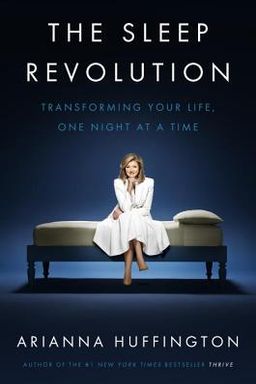
Can a culture obsessed with productivity learn to value rest? In her book, Arianna Huffington argues that chronic sleep deprivation is not a private inconvenience but a global health and moral crisis. Sleep is the foundation of your physical health, emotional resilience, and mental clarity—yet modern life treats it as expendable. This book combines scientific research, historical perspective, economic analysis, and practical advice to help you rediscover sleep as an act of self-respect and cultural revolution.
The Global Sleep Deficit
Around 40 percent of American adults get fewer than seven hours per night. The economic consequences are staggering: the U.S. loses $63 billion annually from fatigue-related absenteeism and presenteeism, while global studies echo similar trends in the UK, Germany, and Japan. The cultural narrative equates busyness with value—politicians and CEOs boast of sleeping four hours a night—but the result is cognitive decline, emotional instability, and systemic risk. Arianna’s own collapse from exhaustion became her wake-up call and the seed for this exploration.
Why Sleep Matters for Everyone
Sleep is not passive downtime—it is active biological repair. During deep sleep, muscles and tissues restore themselves. During REM, your brain reorganizes memories and regulates emotions. Neuroscientists like Matthew Walker and Robert Stickgold show that sleep consolidates learning and creativity, while Maiken Nedergaard’s work on the glymphatic system reveals how sleep flushes away beta-amyloid toxins—a process that may shield you against Alzheimer’s. Without these nightly cleanups, your brain and body slowly corrode under wakefulness.
From Ancient Reverence to Modern Neglect
Ancient cultures revered sleep and dreams as sacred. Greek temple incubation, Egyptian sleep sanctuaries, and Hindu and Buddhist traditions treated rest as divine communication. Roger Ekirch’s research even uncovered that preindustrial humans had segmented sleep—two intervals separated by peaceful wake periods used for prayer or reflection. But with industrialization and electric light came a profound shift: Thomas Edison boasted that sleep was a bad habit, and capitalism transformed night into economic opportunity. What was once sacred became a badge of laziness.
The Systemic Costs of Sleeplessness
Sleeplessness endangers not only individuals but whole communities. Studies equate 19 hours awake with intoxication levels that impair driving; fatigue contributes to hundreds of thousands of crashes and medical errors annually. Truckers, residents, pilots, and police officers often operate under sleep deficit, making it both an ethical and regulatory hazard. RAND’s analyses of sleep in the military reveal how systemic exhaustion undermines decision-making under pressure. In sectors of high responsibility—medicine, aviation, trucking—sleep is a safety variable, not a personal luxury.
A Cultural Reset
The book insists that solving the sleep crisis requires both personal reform and institutional change. Individually, you can relearn restorative habits—remove devices from your bedroom, set calming rituals, and treat dreams as creative reservoirs. Culturally, we must stop glorifying burnout. Businesses can redesign schedules, schools can start later, and policymakers can legislate the right to disconnect after hours. When leaders like Jeff Bezos, Satya Nadella, and Mark Bertolini openly celebrate sleep, they model new norms where health and productivity coexist.
Core Message
Sleep is not weakness but wisdom. Treating rest as a biological and cultural essential is the next frontier of wellness—a movement as pivotal as clean water or fair labor once were.
Across science, history, and policy, Arianna Huffington reframes sleep as a social responsibility—an act that restores not only your mind but the collective sanity of a world too proud to pause.