
Idea 1
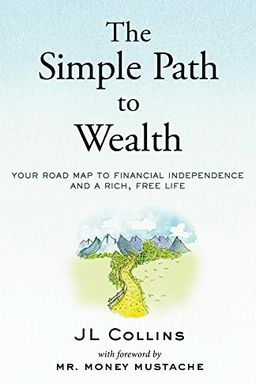
The Simple Path to Wealth: Financial Independence through Simplicity
What if becoming wealthy wasn’t about chasing complexity, but embracing simplicity? JL Collins’s The Simple Path to Wealth offers a radical idea in the crowded world of personal finance: that nearly everything Wall Street and financial media tells you is unnecessary, and that financial independence can be achieved through a clear, minimalist process anyone can follow. Written originally as letters to his daughter, Collins reframes investing as a liberating tool, not a lifelong obsession. The book’s powerful message—spend less than you earn, invest the surplus, and avoid debt—isn’t new, but the way he teaches how to make it work in the real world is what has turned this text into a modern finance classic.
Freedom, Not Retirement
Collins begins with what he calls the real goal of wealth: freedom. For him, money isn’t about buying luxury or even retiring early—it’s about control, about what he famously calls “F-You Money.” That fund, large or small, gives you the ability to say no when your values and your work collide. It’s about the dignity to walk away from situations or people that compromise your integrity. Through engaging personal stories—such as how he quit his first job in his twenties to travel in Europe, or later walked away from a toxic job after 9/11—Collins illustrates how even modest savings and a high savings rate can buy the most precious commodity of all: time.
Why Simplicity Beats Expertise
In a financial industry designed to confuse, complexity is profitable—for others. Collins argues that “complex investment instruments exist only to profit those who create and sell them.” Ordinary investors, he insists, don’t need hedge funds, stock-picking theories, or convoluted asset mixes. The irony: simple, low-cost index investing outperforms 83% of professional money managers over time. This approach channels the legacy of Jack Bogle, the founder of Vanguard, who opened investing to the masses by creating the first index fund. Collins builds on that foundation, teaching his readers that beating the market is unnecessary. Owning the entire market—via something like Vanguard’s Total Stock Market Index Fund (VTSAX)—is enough to make you wealthier than nearly everyone else who attempts to get rich.
The Psychological Shift
A key theme running through the book is psychology. Achieving financial independence is less about math than mastering your emotions—especially fear. Collins emphasizes that most investors lose money not because of the market, but because they panic during its inevitable downturns. His own story of selling stock during the 1987 crash—his biggest mistake—lays bare what happens when fear wins. The antidote, he insists, is preparation and toughness: recognizing that market crashes are normal, expected, and temporary. “The market always goes up,” he says, but the path is rocky. Accepting volatility as the price of admission to wealth is what separates true investors from speculators. (This echoes Warren Buffett’s approach, who famously said the market is a tool for transferring money from the impatient to the patient.)
The Three Rules of Wealth
Collins distills his decades of investing experience into three rules—his “simple path.” First, spend less than you earn: cultivate a savings rate of 50% or more to accelerate your financial freedom. Second, invest the difference: funnel your surplus into diversified, low-cost index funds that represent the entire stock market. Third, avoid debt: treat borrowing as a parasite on your future income. He views debt not as a financial tool but a modern form of slavery—one that robs people of both wealth and choice. By applying these rules, he argues, you will not only get rich, but stay free.
A Generational Guide
The brilliance of The Simple Path to Wealth lies in its universality. Written first for his daughter, who “didn’t want to spend her life thinking about money,” the book democratizes investing knowledge for those intimidated by financial jargon. Collins reminds readers that you don’t need to be an expert; you only need to understand a few enduring principles. His advice stands firm across decades of inflation, pandemics, and recessions: while the world changes, the core principles of wealth—discipline, simplicity, and patience—remain timeless.
What You’ll Learn
Across its four parts, the book walks you step-by-step along the journey from financial chaos to calm. Part I teaches you to tame debt, think prudently about money, and recognize the power of “enough.” Part II builds your toolkit—index funds, bonds, and tax-advantaged accounts—and shows you how to harness the “world’s most powerful wealth-building tool,” the stock market. Part III exposes the myths, magic beans, and cons that derail investors. And Part IV guides you through the final stage—how to live well once you’ve reached financial independence: how much to withdraw (the 4% rule), when to take Social Security, how to give, and how to live meaningfully with money rather than for it.
Ultimately, Collins contends that wealth is not about possessions but about freedom. Money, rightly handled, becomes “a wonderful servant” rather than a master. The simple path is less a financial formula and more a spiritual one—an invitation to live a life free from anxiety, excess, and dependence. As he writes to his daughter, and to us: “You have bridges to build, diseases to cure, mountains to climb. Don’t waste your life worrying about money. Master it—and move on.”