
Idea 1
Performing Power in War
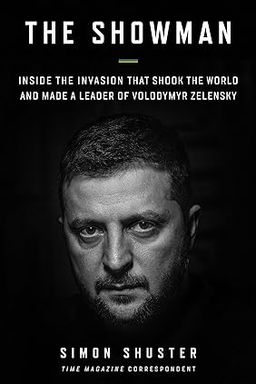
How do you turn charisma into statecraft when tanks cross your border? This book argues that Volodymyr Zelensky converts the skills of a showman—timing, presence, narrative—into a wartime operating system. His presidency becomes a case study in how modern leaders wield attention as a strategic resource alongside armor and artillery. You see a performer who learns to be a commander, a civilian authority who partners with military professionals like General Valery Zaluzhny, and a communicator who treats global audiences as a second front.
You follow a narrative arc from identity to impact. It starts with the contradictions of a comedian-turned-president who promises to live like ordinary people and bristles at motorcades, only to confront the reality of palaces, protocols, and political knives. It moves through the shock of February 24, 2022—when he decides to remain in Kyiv and says, “We’re all here,” reframing Ukraine’s posture from vulnerable to unyielding. Then it tracks how stagecraft becomes strategy: daily addresses, bunker videos, and speeches tailored to Congress (Pearl Harbor, 9/11), to the EU, and to parliaments worldwide that unlock sanctions and weapons.
Identity Meets Crisis
Zelensky’s Kvartal 95 and Servant of the People background matters. He knows how to read a room, compress a message, and make symbols work. Those instincts become a crisis asset: “We’re all here” functions as a morale anchor, while the unshaven T-shirt aesthetic signals proximity to danger and solidarity. But the same performance reflex courts risk: it can obscure policy trade-offs, centralize media, and invite charges of inauthenticity at home (Note: this risk mirrors critiques of leaders who over-index on optics—compare to Tony Blair’s “sofa government” concerns during Iraq).
Decisions in the First Hours
The book shows you leadership forged in real time. Zelensky authorizes martial law, approves weapons for civilians, and works phones to Boris Johnson and Emmanuel Macron. Operationally, Zaluzhny and the security team fortify corridors, shift air defenses, and help spring the Hostomel ambush that denies Russia a critical runway. Symbol and substance sync: Zelensky’s visible presence buys time for soldiers to win the first decisive fights (flooding the Irpin, disrupting columns), which in turn sustain his diplomacy.
Information as a Weapon
Attention becomes ammunition. The administration consolidates national broadcasting through the United News telemarathon and floods global channels with short, human messages from the bunker. You see a shift from classical diplomacy to performative diplomacy—fast, visual, moral—that mobilizes Western electorates and constrains hesitant leaders. That approach helps bring EU airspace closures, asset freezes, and weapons packages. Yet it also compresses debate and strains media freedoms (Ukrainska Pravda’s pushback shows the democratic tension).
Negotiation Traps and Moral Shocks
Peace frameworks—Minsk-1 and Minsk-2—recur as legal traps enabling Russian leverage (decentralization, staged elections, asymmetric obligations). Zelensky’s 2019 Paris summit with Putin yields prisoner swaps but no structural progress. The Istanbul Communique (March 2022) pauses after Bucha’s revelations expose systematic atrocities. Bucha’s mass graves and street bodies trigger a global moral shock; tours led by Ukrainian officials convert grief into sanctions and hardened resolve (Ursula von der Leyen’s visceral response exemplifies this pivot).
Modernizing the Military
Zaluzhny’s July 2021 appointment proves pivotal. He ditches rigid Soviet command culture, empowers field decisions, and orders “return fire with any available weapons” after lethal incidents like the Shumy ambush. He embraces Bayraktar TB2 drones and interoperability with NATO systems, leveraging U.S. intelligence (General Mark Milley’s ties) and Ramstein-era coordination to translate aid into breakthroughs (HIMARS-enabled strikes on depots and command nodes).
Hybrid War and Countermeasures
Russia’s long game—via Viktor Medvedchuk’s media, energy wealth, and “decentralization” agenda—aims to fracture Ukraine from within. Kyiv responds by sanctioning and banning Medvedchuk’s TV channels (Feb 2021) and seizing assets, moves that trigger Russian escalatory signaling and troop buildups. Parallel covert operations (GUR strikes in Crimea, the Crimean Bridge attack) degrade logistics but test escalation thresholds as Moscow mobilizes 300,000 troops and annexes four regions.
Allies, Society, and What Comes Next
Western aid evolves from warnings to weapons: Ramstein, HIMARS, training pipelines, and intelligence fusion rewire Ukraine’s warfighting capacity. At home, bunker governance sustains continuity through improvised routines (narrow cots, stale tins, a clandestine bottle of wine), while media centralization balances morale with liberty. The future hinges on reconstruction and the social contract: millions of returnees need heat and jobs; veterans—potentially 15% of the workforce—require care; and First Lady Olena Zelenska’s mental-health push combats trauma stigma. The through-line is clear: in 21st‑century war, you win by synchronizing narrative, networks, and nimble institutions—without losing the democratic soul you claim to defend.
Key Idea
Performance, policy, and power must align. Zelensky’s edge comes from making symbolism substantive—staying in Kyiv, staging decisive visits, and choreographing appeals—while partnering with a reformed military and a converging alliance network to translate attention into survival.