
Idea 1
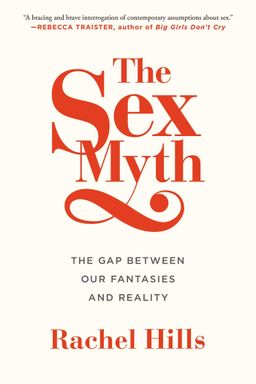
The Sex Myth: How Culture Makes Sex the Measure of the Self
Why do you sometimes feel like your sex life reveals something about who you are—even when it shouldn’t? That unsettling sense that your sexual choices define your worth lies at the center of Rachel Hills’s The Sex Myth. Hills argues that we live in a culture that treats sex as the ultimate mirror of the self—an act unlike any other, freighted with meaning, morality, and identity. Sex is not just about pleasure or reproduction; it has become a measuring stick for confidence, desirability, adulthood, and even freedom itself.
In modern Western society, Hills contends, sex has been transformed into a story we tell to prove who we are. We’re expected to be sexually experienced but not promiscuous, liberated but emotionally guarded, passionate yet in control. This paradox keeps almost everyone feeling like they’re either doing sex wrong or not doing it often enough. Hills calls this cultural phenomenon the Sex Myth: the collective belief that sex matters more than it really does, and that our sexual histories reflect our moral and emotional value.
Sex as Identity and Ideal
According to Hills, the Sex Myth is a product of historical, religious, and economic forces that have elevated sexuality to a near-sacred place in our understanding of humanity. From medieval Christian confessions to glossy magazine headlines promising “explosive intimacy,” we’ve conflated sexual activity with authenticity. Sex sells products, conveys status, and shapes entire political debates. The result is what sociologist Ken Plummer has called the “Big Story”—sex as the grand narrative of modern life. Hills argues that this narrative has seeped into our personal psychology, making people judge their self-worth based on how much sex they’re having and whether it looks like the kind of sex they think everyone else is having.
Biology Meets Culture
Hills dismantles the idea that sex is purely biological. Yes, sex triggers dopamine and oxytocin, but it’s also deeply shaped by culture—by what counts as “sex,” by who gets to feel desire, and by what desires are sanctioned. Through stories of people like Sofia, a young executive who measures her self-esteem by how desirable she seems to others, and Greta, a confident woman who feels ‘less radical’ because she only sleeps with one partner, Hills shows that biology is just one thread in a larger web. What we feel and how we act are molded by social expectations about normality and freedom.
Freedom, Normality, and Performance
At the heart of Hills’s exploration lies the tension between sexual freedom and social regulation. While our culture claims to have thrown off old taboos, it’s still governed by new ones—particularly the expectation to be sexually active, desirable, and confident. Hills documents how people internalize these standards, turning sex into a kind of self-management project. Whether it’s college students tracking ‘hookup stats,’ couples using apps like Spreadsheets to measure performance, or individuals worrying they aren’t “normal,” people constantly adjust their behavior to align with a mythologized ideal of pleasure and passion.
From Liberation to Pressure
Hills situates the Sex Myth within the legacy of the sexual revolution. The freedoms won in the 1960s—contraception, visibility, experimentation—were meant to unchain desire from repression. But by turning sex into a symbol of personal liberation, we made it another form of performance. “To fuck was itself a form of freedom,” Hills quotes historian Linda Grant; yet under the Sex Myth, freedom became compulsory. You’re supposed to be liberated, and that means proving it—with an active, adventurous sex life. As philosopher Michel Foucault observed, we don’t stop regulating sex simply by talking about it more; instead, we regulate ourselves in subtler ways, internalizing expectations until they feel natural.
The Stakes: Shame, Desire, and Self-Worth
Through intimate interviews across four continents, Hills reveals how this myth plays out in everyday life. For some, like Henry, a shy twenty-something virgin from Bristol, it manifests as despair—you believe you’re defective if nobody wants you. For others, like Annie, who treats sex as a kind of personal shopping spree, it shows up as anxious validation-seeking. Even people with fulfilling relationships aren’t immune: Greta feels uneasy that her monogamy doesn’t fit her ‘progressive feminist’ identity. The Sex Myth, Hills argues, binds everyone to the same false equation: sexual success equals personal worth.
Beyond the Sex Myth
By the book’s end, Hills calls for a new kind of sexual freedom—one that includes the right not to do as much as the right to do. She urges readers to see sex as just one ordinary part of life, neither sacred nor shameful. Dismantling the Sex Myth, she insists, doesn’t mean rejecting sex; it means stripping it of exaggerated importance so we can feel secure in our choices, whether we are celibate, passionate, queer, vanilla, or anything in between. Sex doesn’t define you, Hills concludes—you do. And that insight may be the real liberation our culture needs.