
Idea 1
Building an Emotionally Intelligent Marriage
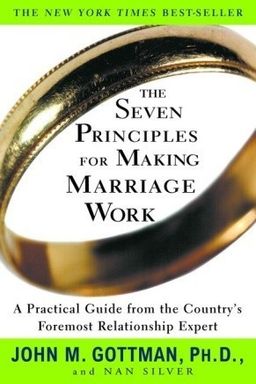
What if the secret to a lasting marriage wasn’t grand romantic gestures or the ability to resolve every argument, but something much quieter—emotional intelligence? In The Seven Principles for Making Marriage Work, psychologist John M. Gottman distills decades of research from his Seattle “Love Lab” to reveal the behaviors that truly separate happy, stable couples from those on the path to divorce. His surprising conclusion is that successful marriages don’t avoid conflict but cultivate an underlying friendship, emotional awareness, and shared meaning that can weather inevitable storms.
For years, marital advice focused on communication skills and conflict resolution. Couples were told to express themselves with 'I' statements, practice active listening, and meet halfway during arguments. Gottman’s research turned much of that on its head. By studying couples over decades—observing how they discussed both mundane and heated topics, tracking their heart rates, and following their relationships over time—he found he could predict divorce with over 90% accuracy. His conclusion? It wasn’t conflict itself, but how couples managed the small emotional moments between arguments, that determined whether love endured.
Why Emotional Intelligence Matters
At the heart of every thriving marriage is an emotionally intelligent partnership—a relationship where each person understands, honors, and respects the other’s emotions. It’s not about resolving every issue but maintaining a balance in which positive interactions far outnumber negative ones. Happily married couples experience negativity but their affection, humor, shared memories, and understanding act as a buffer, preventing resentment from taking root. Gottman calls this the power of 'emotional intelligence in marriage.'
Just like parents can teach emotional intelligence to children, spouses can develop it in their relationship. This kind of marriage makes partners healthier, emotionally stable, and even physically stronger—research in the book found positive marriages correlated with stronger immune responses and longer lifespans.
Beyond Communication: A New Model for Marriage
One of Gottman’s boldest assertions is that communication alone won’t save your marriage. Many therapy models urge couples to master active listening or perfect conflict resolution techniques. In reality, Gottman found that almost no successful couples use these methods during real disagreements. Long-term love depends less on elaborate techniques and more on the consistent daily habits of turning toward each other—acknowledging, responding, and staying connected in small ways. Whether sharing breakfast, joking about television, or checking in during a stressful day, these “bids for connection” stack up over time to create trust and emotional safety.
Gottman discovered that certain negativity patterns destroy these connections. He famously labeled the worst offenders as the 'Four Horsemen of the Apocalypse': criticism, contempt, defensiveness, and stonewalling. When these behaviors become frequent, the couple’s emotional connection corrodes, flooding them with physiological stress and reducing empathy. However, marriages that sustain warmth, humility, and humor are remarkably resilient—even if the partners bicker.
The Seven Principles: A Roadmap to Lasting Love
Gottman’s research culminated in seven practical principles that build or rebuild emotional connection. They are:
- Enhance your love maps—know your partner’s inner world: their fears, joys, and dreams.
- Nurture fondness and admiration—focus on what you appreciate instead of resentment.
- Turn toward each other—respond positively to small bids for attention or affection.
- Let your partner influence you—share power and respect each other’s ideas.
- Solve solvable problems—use gentle startups, repair attempts, and compromise.
- Overcome gridlock—acknowledge unresolvable issues and the dreams they represent.
- Create shared meaning—develop rituals, traditions, and life goals that express your shared identity as a couple.
Each principle builds upon the others. Love maps deepen understanding; admiration safeguards against contempt; turning toward sustains emotional connection; and shared meaning ensures that marriage becomes not just an arrangement but a rich culture between two people. In the closing chapters, Gottman emphasizes how minor weekly habits—what he calls the 'Magic Five Hours'—can sustain connection: brief check-ins, affectionate rituals, and moments of admiration that anchor intimacy.
In the end, The Seven Principles for Making Marriage Work isn’t just about avoiding divorce—it's about cultivating a living, breathing relationship that adapts, forgives, and continues to grow. Gottman reminds us that love isn’t built on perfection but on the ongoing art of turning toward rather than away. The book’s core message is as hopeful as it is practical: if you nurture friendship, honor each other’s dreams, and create shared meaning, your marriage can truly work for life.