
Idea 1
Living in Balance: The Indigenous Science of Wellness
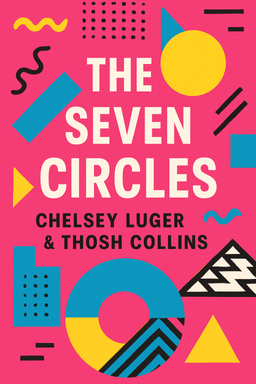
How do we return to balance in a world that feels constantly rushed, disconnected, and overwhelmed? In The Seven Circles: Indigenous Teachings for Living Well, Chelsey Luger and Thosh Collins argue that true well-being isn’t about transforming your body or following trends—it’s about cultivating harmony between yourself, your community, and the world around you. Their central claim is that Indigenous knowledge offers timeless, practical ways to heal the mind, body, and spirit while nurturing connection to land, family, and purpose.
Rather than prescribing a rigid set of lifestyle rules, the authors present the Seven Circles of Wellness: movement, land, community, ceremony, sacred space, sleep, and food. Each circle represents an essential dimension of health that Indigenous peoples have long honored. These interconnected circles form a living model that anyone—Native or non-Native—can use to live with greater steadiness and meaning. Luger and Collins write as both wellness advocates and descendants of ancestral survivors, intertwining personal stories with ancient teachings and modern science to help readers unlearn colonial patterns of exploitation and rediscover balance.
Wellness as a Way of Life, Not a Trend
The authors contend that modern wellness culture has lost its way. They describe the billion-dollar industry as obsessed with consumerism, appearance, and perfection—values that stand in direct opposition to the Indigenous philosophy of relational and sustainable living. True wellness, they write, cannot exist in isolation from gratitude, community, and the natural world. What counts is not how many yoga classes you take or products you buy but how consciously you engage with the rhythms of the earth and the people around you.
Drawing from teachings passed down in Lakota, Ojibwe, O’odham, and Haudenosaunee traditions, they remind readers that balance is never static—it’s cyclical. The Seven Circles model is designed to evolve through lifelong learning and reciprocity. By seeing wellness as a living cycle rather than a destination, you free yourself from the anxiety of perfection and return to the humility of being human.
Healing the Legacy of Colonialism
An essential part of the book is historical reframing. Luger and Collins boldly link contemporary physical and mental health challenges to centuries of colonization—a process that displaced Indigenous peoples, exploited their lands, and silenced their voices. They describe how European settlers imposed capitalist systems that separated humans from the earth, and how this severance reverberates today in widespread ecological collapse and chronic disease. Yet despite trauma, Indigenous communities remain powerful examples of recovery, resilience, and renewal. As the authors write, “Our thriving is not despite our culture, but because of it.”
Understanding this history helps you see that healing isn’t just personal—it’s communal and systemic. To decolonize wellness means to restore just relationships with land, food, and all living beings. It also means rejecting the narrative that health is purely an individual choice. Structural inequalities, they explain, must be acknowledged before sustainable wellness can truly take root.
Gratitude, Interconnection, and the Good Life
The book begins and ends with gratitude—a universal practice among Indigenous nations. Whether expressed through prayer, planting, movement, or song, gratitude grounds all seven circles. In Anishinaabe culture, this life philosophy is called mino bimadiizawin (“the good life”), while the Lakota speak of walking the canku luta (“the red road”). Both phrases signify living in balance and integrity, guided by kindness and respect. The authors invite you to reclaim these principles no matter who you are or where you live, reminding that everyone can “walk in a good way.”
Returning to Reverence
Ultimately, The Seven Circles calls for a return to reverence—a mindset in which all things are seen as sacred and connected. Instead of competing for progress or perfection, Luger and Collins encourage living with awe, reciprocity, and respect. They blend ancestral teachings with modern wellness science to create a holistic guide that feels simultaneously ancient and relevant. Through stories of survival, resilience, and love—from ceremonies in the Black Hills to fitness in suburban garages—the book shows that healing begins in the simplest acts of daily life: waking with the sun, thanking your food, listening in silence.
Whether you’re seeking purpose, peace, or healthier habits, this Indigenous worldview offers more than wisdom—it offers belonging. It teaches that when you move well, eat well, and rest well, you don’t just heal yourself. You heal generations past and future. In doing so, you rediscover the profound truth of the Seven Circles: everything is medicine, and everything is connected.