
Idea 1
Inside a Failing Criminal Justice System
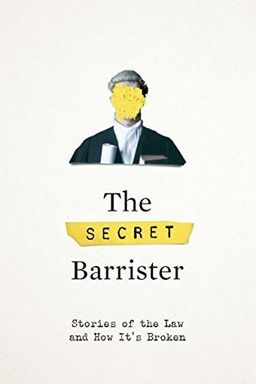
How can a justice system built on centuries of legal principle now feel so chaotic, underfunded and morally conflicted? In The Secret Barrister, the anonymous criminal advocate argues that the English and Welsh justice system—often romanticized as fair, unbiased and efficient—is in fact an overburdened, under-resourced machine careening toward failure. Through vivid case studies, humor edged with fury, and insider candor, the author exposes why fairness and truth are increasingly casualties of austerity, bureaucratic neglect and human error.
At its core, the book asks what justice means when the state cannot afford to deliver it. You journey from the theatrical intensity of Crown Court jury trials to the rushed chaos of magistrates’ courts, from neglected defendants abandoned by 'fixer' firms to victims crushed under adjournments. Across these environments runs a golden thread—the presumption of innocence and the duty of fairness—that the author insists is now frayed by budget cuts, political spin, and managerial targets.
A System Built on Adversarial Performance
The book opens with a tour of an adversarial courtroom—wigs, gowns and rhetorical theatre. Barristers duel before twelve citizens while judges police procedure. Advocacy is performance and persuasion as much as law: the right inflection can alter a verdict. The system relies on oral testimony, cross-examination and the civic safeguard of juries, descendants of Magna Carta’s promise that the state should never decide guilt alone. Yet that very human emphasis—on performance, credibility, visible fairness—also makes it fragile. When skill varies or resources collapse, the adversarial model amplifies inequality rather than counteracts it.
The Pressure Cooker Below: Magistrates and Bail
Descending into the magistrates’ courts, you find what the author calls the 'Wild West' of justice: 94% of cases start and end there, often judged by overworked volunteers with minimal legal training. Efficiency routinely trumps fairness, a pattern mirrored in bail hearings where the presumption of liberty gives way to fear-driven refusals. The result is predictable: thousands of defendants like Rio sit remanded for months, only to be acquitted later, their jobs and families destroyed in the meantime.
The Human Cost of Collapse
The book is structured around human narratives—Amy, Hana, Kyle, Darius, Victor—that turn systemic issues into lived suffering. Amy’s assault case collapses because a prosecutor never obtains key witness statements. Hana’s trial floats endlessly because no courtroom is available. Darius, a vulnerable teenager, is left medicated and unheard by an exploitative firm. Victor Nealon spends 17 years in prison before DNA evidence clears him. Each story reinforces the same insight: the machinery of justice cannot deliver fairness when the inputs—time, training, oversight and compassion—are missing.
Politics, Policy and the Myth of 'Putting Victims First'
Politicians insist on being 'tough on crime' and 'putting victims first,' but each slogan hides trade-offs. The author shows how these mantras warped policing policy (as in Operation Midland’s disastrous presumption of belief) and distorted public perception of sentencing. Victims are not served by empty gestures if courts are underfunded and trials repeatedly adjourned. Equally, bending fairness in their favour risks convicting the innocent—a paradox at the heart of criminal law since the seventeenth century.
Following the Money: Austerity’s Silent Damage
Financial starvation runs through every chapter. Cuts to the Crown Prosecution Service, police, legal aid and forensic science produce a cascade of dysfunction. The result is 'cheap justice': prosecutors can’t prepare files, defence solicitors are underpaid or incentivised to rush, prisons overflow with untreated mental illness, and wrongly accused defendants face financial ruin due to policies like the 'Innocence Tax.' (This term refers to the inability of acquitted private defendants to recover full legal fees—one of the book’s most devastating revelations.)
The Author’s Dual Plea
By the end, The Secret Barrister transforms from insider exposé to civic manifesto. It calls for renewed public honesty about what justice costs—and what is lost when we refuse to fund it. The author's plea is simple: you cannot have a humane, evidence-based criminal justice system delivered at bargain rates. Protecting victims, defending the accused, and preserving truth all depend on real investment in people, infrastructure and judicial independence.
Core message
The criminal courts of England and Wales still rest on noble ideals—fairness, equality before the law, and the presumption of innocence—but without structural reform and adequate funding, those ideals risk collapsing into theatre: a facade of justice masking systemic neglect.