
Idea 1
Reinvent or Risk Irrelevance
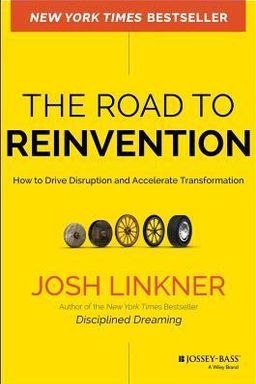
Have you ever noticed how fast the ground seems to shift beneath your feet — a new technology replaces an old habit, an industry leader collapses overnight, or a career path you thought was secure suddenly becomes obsolete? In The Road to Reinvention, entrepreneur and innovation expert Josh Linkner argues that this relentless change is no longer the exception — it’s the rule. His core message is urgent and clear: if you don’t disrupt yourself, you will be disrupted by someone else.
Linkner contends that continuous reinvention is the lifeblood of enduring success — for individuals, organizations, and even cities like his hometown of Detroit. Rather than waiting for crisis to strike, leaders and professionals must proactively question assumptions, challenge the status quo, and release outdated methods to make room for innovation. The book’s central thesis: reinvention is not a one-time event but a never-ending discipline of creativity, courage, and curiosity.
A Call to Disrupt Before You’re Disrupted
The book opens with a fundamental choice every person and company faces: “disrupt or be disrupted.” Linkner reminds readers of the countless giants — from Kodak and Blockbuster to Circuit City and Borders — who failed because they clung to old models. In contrast, companies like Samsung and Nike thrived by reinventing themselves repeatedly. Samsung’s CEO Lee Kun-Hee’s 1993 “Frankfurt Declaration” — where he demanded his executives change “everything but your wife and children” — serves as an emblem of proactive reinvention. Nike’s commitment to “always offer something new” echoes this ethos — embedding creativity deep into corporate DNA rather than treating it as a side project.
According to Linkner, real risk lies in stagnation. Playing it safe, he says, is the most dangerous strategy in an age of relentless change. The companies that endure — and the people who remain relevant — are those who intentionally reinvent from a position of strength, not desperation.
From Corporate Playbook to Personal Philosophy
Reinvention isn’t just for Fortune 500 CEOs or Silicon Valley founders. Linkner expands the concept to every level of life — urging each reader to view themselves as a “brand” constantly worthy of reinvention. He insists that complacency kills creativity, whether you’re leading a startup, teaching a class, or managing your own career. In the same way software companies launch new versions (think “Version 2.0”), you too must habitually release updated editions of yourself. Even cities and communities — like Detroit, emerging from bankruptcy — can rebuild their legacies through this spirit of adaptive renewal.
Linkner often draws inspiration from Detroit’s painful but instructive story: a once-mighty industrial hub that crumbled because it stopped evolving. When the auto industry collapsed and the city resisted diversification, Detroit’s downfall became a vivid metaphor for what happens when reinvention stops. Yet, in the city’s rebirth, fueled by startups, creatives, and social entrepreneurs, Linkner sees proof that continuous reinvention can resurrect even the most broken systems.
What This Book Covers
Linkner structures The Road to Reinvention around a ten-step journey. The first chapters introduce the ethos of reinvention — eight guiding principles emphasizing courage, imagination, and action. Later chapters explore how to apply these principles to specific areas of business and life:
- Chapter 3 examines why you must cannibalize your own product — disrupting yourself before competitors do.
- Chapter 4 explores how to retool your operations by challenging outdated processes and creating efficiency breakthroughs.
- Chapter 5 teaches how to create vivid customer experiences — tapping into emotional and sensory engagement as a differentiator.
- Chapter 6 argues that storytelling drives reinvention through identity and emotional connection.
- Later sections highlight personal and cultural reinvention — transforming your career, team, and legacy.
Each chapter features real-world case studies — from Ford’s massive restructuring under Alan Mulally to American Girl’s experiential retail empire and Disney’s “magic moments” philosophy. Even unconventional industries — like hospitals, pawn shops, and toy manufacturers — become laboratories of innovation when infused with curiosity. Linkner’s lesson: creativity is not reserved for artists; it’s a habit of problem solvers.
Why It Matters Now
Linkner writes from the front lines of business transformation as the founder of multiple startups and managing partner of Detroit Venture Partners. His message resonates in a world defined by exponential change. Automation, globalization, and digital disruption mean entire industries can disappear in a decade. Reinvention, he stresses, isn’t a luxury — it’s survival. Yet beyond business relevance, Linkner also connects reinvention with personal fulfillment: by periodically shedding outdated identities, you rediscover your authentic creative spark.
Core Idea:
“You can either architect your future or become a victim of it.” Reinvention, Linkner argues, is how we take the driver’s seat — in our companies, our careers, and our lives.
By the end of the book, you’ll see that reinvention isn’t about reckless revolution; it’s about constant evolution. It invites you to ask hard questions, build courage, and embrace change not as a threat but as the ultimate opportunity to grow — again and again.