
Idea 1
The Moral Divide Within and How Character is Formed
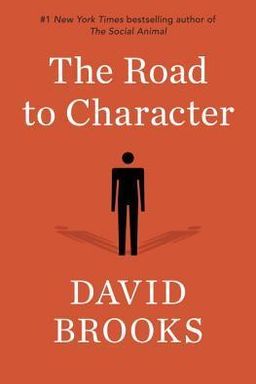
You live with a tension inside you—the contest between two moral selves that David Brooks calls Adam I and Adam II. This conflict defines the central drama of The Road to Character. Brooks argues that the modern world trains you to build a successful outer life—skills, résumé virtues, reputation—but neglects the quieter moral labor of forming soul and character. True fulfillment, he writes, arises not from self-celebration but from self-conquest, humility, and disciplined love.
Two Adams Within You
Adam I seeks to win: to excel, to conquer, to earn applause. He operates on an economic logic—input equals output, performance equals reward. Adam II, by contrast, wants to embody goodness. He asks not, “How can I succeed?” but, “How can I be worthy?” He thrives not by victory but by surrender—by giving to others, recognizing weakness, and finding meaning in service. Brooks borrows this duality from Rabbi Joseph Soloveitchik’s The Lonely Man of Faith, where the two Adams symbolize our divided nature: one striving outward, the other inward.
The challenge, Brooks says, is to integrate them. You must learn to build career success while cultivating inner depth. In a culture that rewards Adam I and ignores Adam II, this requires conscious countercultural effort.
From the Humble Past to the Age of the Big Me
Brooks contrasts the humility of past generations with the self-advertising ethos of today. Listening to a World War II radio broadcast, he hears modest gratitude—men deflecting praise toward their units. Compare that to a modern athlete’s end-zone dance or influencer’s self-promotion. The culture has shifted from a moral code rooted in sin, restraint, and communal duty to one obsessed with authenticity, branding, and self-esteem.
Psychological and economic trends amplified the shift: postwar prosperity, therapeutic culture, and the rise of meritocracy transformed humility into self-assertion. People once warned of pride as the deadliest sin; now it is marketed as a virtue. Brooks calls this cultural transformation “the rise of the Big Me.” It delivers confidence—but also loneliness, fragility, and moral shallowness.
The Book’s Moral Journey
To recover the lost moral vocabulary, Brooks turns to biography. Each historical figure in his book illuminates a virtue or moral attribute once honored: Augustine uncovers the restless search for ordered love; Perkins embodies vocation through service to disaster-stricken workers; Eisenhower reveals the power of discipline; Dorothy Day converts suffering into solidarity; Marshall models institutional stewardship; Eliot transforms love into moral maturity; Randolph and Rustin weld dignity and nonviolence into social reform. Together they form a moral gallery—their failures and recoveries reveal that depth grows from struggle, not ease.
The pattern is consistent: each person faces inner division, wrestles with pride or chaos, finds structure through discipline or love, and serves causes larger than the self. The moral life, Brooks concludes, does not yield to willpower alone. It depends on grace—on help from outside yourself, be it faith, institutions, or community.
The Humility Code and the Practice of Stumbling
Brooks ends with what he calls the Humility Code, a set of propositions for moral life. It teaches that you live not for happiness but for holiness; that character arises from repeated acts of self-restraint; and that you need outside aids—mentorship, commitments, or divine grace—to conquer pride. You will always stumble, but character is forged in the recovery. Unlike the moralizing formulas of self-help literature, Brooks’s code is realistic: it recognizes sin, imperfection, and dependence as routes to depth.
In short, The Road to Character invites you to rebel against the culture of self-display. It is a recovery manual for moral realism. You learn not to curate your image but to cultivate your soul. The task is long and humbling, but Brooks’s exemplars—saints, reformers, soldiers, and writers—show that humility, discipline, and persistent love create enduring wholeness where self-centering cannot.
Core message
You become whole not by asserting yourself, but by confronting your weaknesses, surrendering to vocation, and letting humility shape strength. In a loud age, depth is your quiet rebellion.