
Idea 1
Discovering Yourself Through the Enneagram Journey
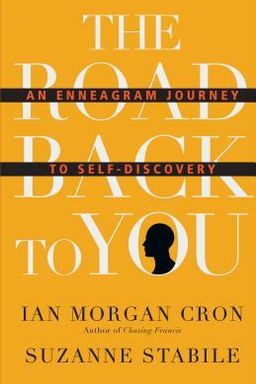
Have you ever wondered why you do what you do—even when you know better? Why you repeat the same patterns in work, love, and faith, even when they no longer serve you? The Road Back to You Study Guide by Ian Morgan Cron and Suzanne Stabile offers a map for exploring those questions through the transformative lens of the Enneagram, an ancient personality framework that blends psychology, spirituality, and self-awareness. The study guide, designed to accompany the bestselling book The Road Back to You, helps readers discern their Enneagram type, understand their motivations, and apply spiritual practices that foster lasting change.
Rather than labeling or boxing people in, the Enneagram reveals the patterns that shape your reactions, emotions, and relationships. Cron and Stabile argue that self-discovery isn’t about perfection—it’s about honesty. As Cron puts it, “We don’t know ourselves by what we get right; we know ourselves by what we get wrong.” True growth begins, they say, when we can look at our shadow sides without shame and meet them with compassion. This is more than a self-help exercise; it’s a spiritual journey of returning home to your truest self in God’s presence.
Understanding the Enneagram’s Power
The Enneagram identifies nine core personality types, each with distinct motivations, fears, and ways of relating to the world. From the principled One to the peacemaking Nine, these archetypes reflect different ways human beings seek love, security, and significance. Though the study guide summarizes each type, its focus is not merely on classification but transformation. You’ll explore your “triad”—the center of intelligence (gut, heart, or head) that drives your decisions—and discover practical contemplative practices, particularly the SNAP method, designed to interrupt reactive patterns and nurture awareness.
Through five structured sessions, the guide invites readers or groups to move deeper into understanding themselves: Week One covers basic self-identification and the triads; Weeks Two through Four explore the Gut, Heart, and Head triads in depth; Week Five integrates lessons through reflection on “wings” and affirmations. Each session blends teaching, personal reflection, and spiritual exercises, transforming theory into lived experience. The tone is approachable, humorous, and empathetic—Cron and Stabile know from experience that facing your less flattering traits can sting, so they emphasize safety, curiosity, and grace.
Motivation Over Behavior
A central insight throughout the book is that your number is determined not by your behavior but by what motivates that behavior. Two people might volunteer every weekend; one could be a Helper (motivated by love and need), while another might be a Performer (motivated by recognition). The triads clarify these inner drives: Gut types act from instinct and struggle with anger, Heart types lead with emotion and wrestle with shame, and Head types rely on thinking and battle fear. Understanding where your reactivity begins—body, heart, or mind—helps you catch yourself early and redirect your energy in healthier ways.
Unlike many personality systems, the Enneagram’s goal isn’t to make you more efficient or successful but more awake. It’s a mirror, not a measuring stick. The authors encourage readers to resist the temptation to use the Enneagram as a weapon (“You’re such a Six!”) or an excuse (“I can’t help being critical, I’m a One”). Rather, it’s meant to dissolve illusions of the false self—the protective persona you’ve constructed—and open space for genuine connection to yourself, others, and God.
The SNAP Practice: Moving from Reaction to Presence
One of the book’s most distinctive features is the SNAP tool: Stop, Notice, Ask, and Pivot. This is a contemplative exercise Cron developed to help interrupt unconscious patterns linked to one’s Enneagram type. For instance, an Eight may practice SNAP when anger starts rising in a meeting by stopping to breathe, noticing bodily tension, asking what fear or belief is behind the impulse to control things, and pivoting toward trust or vulnerability instead. Over time, the rhythm of SNAP rewires your awareness so you respond from authenticity rather than autopilot. As Cron notes, it doesn’t fix you overnight, but “it moves the needle.”
Transformation, Not Typing
Perhaps the most countercultural message of the study guide is that information without integration changes nothing. As Cron recalls his spiritual director’s advice, “Insight is cheap.” The Enneagram should never become another identity badge or intellectual curiosity—it must be embodied through daily practice. Through slowing down, noticing patterns, engaging with discomfort, and pivoting toward grace, readers begin to experience spiritual growth that radiates outward into relationships and community. The goal, as the authors say, is to “get out of your own way” and live as the person God intended.
In an age of frantic self-optimization, The Road Back to You Study Guide reorients you toward something more ancient and grounding: compassionate self-awareness. By understanding your type, triad, and habitual patterns through tools like SNAP, you learn to see yourself—both light and shadow—as God already sees you. In that seeing, transformation begins. What emerges is not a new version of you, but a truer one.