
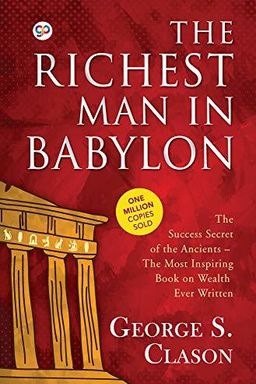
The Richest Man in Babylon cover

The Richest Man in Babylon

by George S Clason

The Richest Man in Babylon offers timeless financial wisdom through ancient parables, updated for today''s world. Learn to accumulate wealth by saving, investing, and seizing opportunities. Discover how to turn financial challenges into stepping stones for success and build a secure financial future.

Timeless Laws of Wealth and Financial Wisdom

Have you ever wondered why some people seem effortlessly wealthy while others struggle endlessly no matter how hard they work? The Richest Man in Babylon by George S. Clason begins with that very question—why does prosperity visit some and elude others despite living under the same conditions? Clason argues that financial success is not a mystery but the result of understanding and applying eternal principles of money management, first discovered by the wise citizens of ancient Babylon thousands of years ago.

Written as a series of parables set in the glittering city of Babylon, this book transforms simple stories into powerful lessons about saving, investing, and building wealth that have influenced financial thinkers from Napoleon Hill to Dave Ramsey. At its heart, Clason contends that anyone, regardless of income, can achieve wealth by following universal laws: save consistently, control your spending, invest wisely, protect your capital, and cultivate the mindset of growth. It’s a philosophy grounded not in luck or external circumstance, but in disciplined action and financial intelligence.

The Eternal Appeal of Ancient Babylon

Clason opens with a historical sketch of Babylon—a city of enormous wealth built purely by human ingenuity. Without forests, mines, or even stone for construction, its riches arose from its people’s skill in trade, engineering, and finance. Babylon becomes a metaphor for civilization’s ability to thrive when individuals master the principles of money. The message: prosperity doesn’t depend on natural resources or luck; it depends on personal mastery and human creativity.

The Core Argument: Financial Success is Learnable

Through his famous character Arkad—the richest man in Babylon—Clason teaches that wealth follows laws as predictable as gravity. Arkad’s journey from a humble scribe to a wealthy lender encapsulates these lessons: start by saving a tenth of all you earn, spend less than you make, make your gold work through wise investments, guard against loss, and educate yourself to increase earning potential. These principles form the backbone of the book’s philosophy and are framed as actionable cures for a “lean purse.”

If you follow Arkad’s example, Clason insists, wealth becomes a natural outcome. The book continuously reinforces that wealth is never the result of luck—it’s the consequence of knowledge, persistence, and self-control. In a world obsessed with quick wins and speculative riches, this ancient wisdom stands out for its stability and clarity.

Why These Lessons Matter Today

The Babylonian principles—pay yourself first, invest with caution, protect against risk—remain timeless. Modern financial educators like Robert Kiyosaki (Rich Dad Poor Dad) and financial advisors like Suze Orman echo Clason’s insights: wealth isn’t about bigger incomes, but wise stewardship of what you have. In a consumer-driven world where saving rates are low and debt is high, Clason’s advice re-centers financial power in personal discipline and long-term thinking.

The Structure: Stories as Lessons

Each Babylonian parable teaches a vital financial law through accessible storytelling. “The Man Who Desired Gold” introduces Bansir and Kobbi, friends yearning for prosperity but unaware of financial wisdom. Their conversation with Arkad triggers the discovery of Babylon’s timeless financial laws. “The Seven Cures for a Lean Purse” lays out actionable steps to accumulate wealth, while “The Five Laws of Gold” explains how to keep and multiply it. Later chapters like “The Camel Trader of Babylon” and “The Luckiest Man in Babylon” add human stories of transformation, reinforcing that moral strength and wisdom are as key to wealth as arithmetic.

Actionable Philosophy

Clason’s argument is practical: start saving today, direct your money wisely, avoid high risks, and never stop learning. He combines emotional storytelling with concrete financial systems. The book gives not just techniques but an ethic—a way of viewing money as a loyal servant rather than a cruel master. As Arkad says, “A part of all you earn is yours to keep.” This idea has inspired countless financial systems, from envelope budgeting to modern investment portfolios.

Ultimately, The Richest Man in Babylon isn’t merely about wealth—it’s about wisdom. Clason treats money not just as currency but as a reflection of discipline, foresight, and self-respect. By learning to control money, you learn to master yourself—the true mark of prosperity. The book is less about Babylon itself than about building your own inner city of abundance, fortified by timeless financial walls.


Pay Yourself First: The First Law of Wealth

Clason’s first and most transformative lesson is as simple as it is revolutionary: pay yourself first. Every Babylonian success story begins when its hero starts saving at least one-tenth of all they earn. Arkad learned this from Algamish, the wealthy moneylender, who explained that the road to riches begins when a man decides that a part of all he earns is his to keep. This insight elevates saving from mere practicality to a universal law of prosperity.

The Power of Paying Yourself First

Most people, Arkad observes, pay everyone else before themselves—the baker, the sandal-maker, the landlord—leaving their own purse empty. By reversing this practice, saving becomes not an act of deprivation but an act of self-respect. Even when earnings are low, consistent saving triggers a quiet miracle: eventually, your money begins to earn its own income. In Clason’s parables, every saved coin becomes “a slave to work for you,” producing children that also labor to make more coins. Compound interest is personified as the diligent offspring of your gold.

A Mindset Shift

The book reframes saving as empowerment, not restriction. It’s about claiming ownership over your life. When you save before spending, you take control of future choices, securing freedom rather than scarcity. This practice mirrors modern financial advice from experts like Vicki Robin (Your Money or Your Life) who stress that financial independence begins with prioritizing your own future above consumer impulses.

Real-Life Example: Arkad’s Transformation

Arkad wasn’t born wealthy. As a young scribe, he spent all he earned. But one night, while inscribing tablets for Algamish, he traded a night’s labor for financial wisdom: keep one-tenth of everything. By following that rule consistently, Arkad’s fortunes grew, eventually making him Babylon’s richest man. His story proves that wealth grows not from windfalls but from disciplined habits.

Your Action Plan

If you want to apply this law today, begin with small automatic savings—set aside 10% before you pay bills or buy luxuries. Over time, your wealth becomes self-perpetuating. You’ll not only accumulate money but confidence, discipline, and peace of mind—the unseen riches Clason implies are even more valuable than gold itself.


Control Thy Expenditures

Saving alone isn’t enough—Clason’s second cure for the lean purse teaches that even the richest man can fall into poverty if he fails to control expenses. Arkad’s advice is clear: your “necessary expenses” will always rise to match your income unless you resist them. Babylonian wisdom distinguishes between needs and wants. By learning to separate essentials from desires, you automatically increase your surplus and reduce financial anxiety.

The Disease of Lifestyle Inflation

Clason predicted what modern economists call lifestyle inflation—the tendency to spend more as you earn more. In his parable, Babylonian workers suffer the same fate as modern consumers: higher pay leads to higher spending. Arkad teaches budgeting as liberation, not restriction. Like a farmer cultivating only fruitful crops, you must channel coins into what brings long-term satisfaction rather than momentary pleasure.

Budget as a Weapon

Rather than viewing a budget as a punishment, Arkad reframes it as a “protector of the purse.” It reveals spending leaks and forces discipline. Clason’s lesson mirrors modern frameworks like Elizabeth Warren’s 50/30/20 rule, emphasizing that budgets aren’t moral judgments—they’re tools for clarity. By listing every expected expense and prioritizing based on real value, you can stop money from vanishing into trivialities.

The Slave of Desire

Through an exchange with a student reluctant to budget, Arkad highlights human resistance to self-control. His metaphor—a pack-ass overloaded with gold bars—illustrates that freedom isn’t found in endless indulgence but balanced restraint. You become the master of money only when you stop serving your passions. True prosperity means enjoying life's pleasures while defending against waste.

Practical Takeaway

Create a written spending plan. Allocate no more than nine-tenths of your income to all expenses and pleasures. Let the remaining tenth build your future. Over time, this habit turns modest earnings into stability, wealth, and confidence—a testament that budgets can be sacred instruments of freedom, not chains of frugality.


Make Thy Gold Multiply

The third cure reveals the secret of investment—make your gold work for you. In Babylon, saved coins were useless unless they gained offspring through profitable employment. Arkad’s golden rule: put each coin to labor that it may reproduce its kind. This law introduces the concept of compounding, centuries before modern finance articulated it.

Invest Like Babylon’s Shield Maker

Arkad’s first successful investment involved loaning money to Aggar, a reputable shield maker who used bronze to craft and sell his goods. Arkad earned both rental and interest, demonstrating how security and consistent returns build enduring wealth. Unlike risky speculation, these investments allowed his purse to “grow fat” safely.

The Miracle of Compound Growth

Clason illustrates compounding through a farmer who invests ten pieces of silver for his son. Over fifty years, that money multiplies seventeenfold through steady, modest returns. The lesson: time magnifies disciplined investments, turning patience into power. (Albert Einstein famously called compound interest the eighth wonder of the world—a sentiment Clason foreshadowed.)

From Labor to Leverage

The shift Arkad describes—from earning through labor to earning through capital—is crucial. You escape the limits of your own energy when your money starts working 24/7. Babylon’s wealthy didn’t labor harder—they invested wiser. This principle is echoed in today’s personal finance gurus who urge financial independence through assets that generate passive income.

Applying the Law Today

Invest your savings thoughtfully. Favor safe, recurring returns—like dividend stocks, index funds, or small business ventures you understand. The magic isn’t speed, but reliability. Every dollar, like every Babylonian coin, should become a tireless servant. As Arkad promised, your gold will “multiply even as the flocks of the field.”


Guard Thy Treasures from Loss

Clason’s fourth law is about protecting your growing fortune. Wealth can be erased as quickly as it accumulates if you fail to guard it wisely. Babylon’s rich understood that fear and greed were the twin enemies of prosperity. Arkad’s warning resounds: misfortune loves a shining mark. Whenever your purse grows fat, countless temptations will arise. The wise man learns to defend his treasures from loss.

Trust Experience, Not Emotion

Arkad’s own losses taught him caution. He once entrusted his savings to a brickmaker who promised to buy rare jewels—a venture doomed by ignorance. The lesson: never invest in ventures you don’t understand. Seek advice only from those skilled in the trade, not hopeful amateurs. In modern terms, this means relying on expertise and due diligence rather than excitement.

The Counsel of the Wise

Clason’s Babylonian world valued mentorship. Moneylenders like Algamish and Matthon served the same role as today’s advisors and investors. They reminded that “small and safe returns are far more desirable than risk.” Protect the principal first; growth comes second. Financial integrity rests on preservation before expansion.

Modern Parallels

This ancient caution applies directly to modern investment traps—get-rich schemes, speculative stocks, or unvetted cryptocurrency projects. The timeless principle remains: risk less, learn more. Each decision should aim not just at profit but preservation. Arkad’s success after his early failure proves that fortune favors the cautious creator, not the reckless dreamer.

Practice Protective Wisdom

Before parting with your savings, ask: Do I or my advisor fully understand this investment? Can my principal be reclaimed if it fails? Do I have assurance of a fair return? These questions, taught six thousand years ago, remain the foundation for every wise investor today—from Babylon’s traders to Wall Street analysts.

Dig Deeper

Get personalized prompts to apply these lessons to your life and deepen your understanding.

Go Deeper

Get the Full Experience

Download Insight Books for AI-powered reflections, quizzes, and more.