
Idea 1
Samuel Adams and the Birth of Colonial Resistance
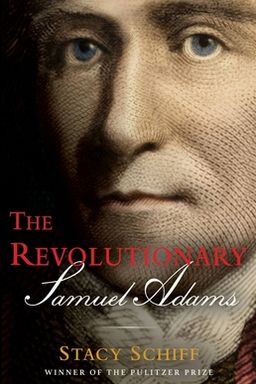
Have you ever wondered what turns an ordinary citizen into a revolutionary? In the story of Samuel Adams’s rise from an impoverished market clerk to one of the architects of American independence, we find lessons about conviction, communication, and the power of persistent persuasion. This portion of Adams’s life chronicles how a man who began by writing under pseudonyms transformed into the moral voice and organizational force behind collective resistance in the American colonies. It’s a portrait not just of individual courage but of how words and networks can ignite transformation.
At the heart of this narrative lies Adams’s belief that ideas, properly communicated, could unite ordinary people against unjust power. His journey—from starting a small newspaper to orchestrating boycotts and correspondences across colonies—maps how civic identity grew out of oppression. Through a combination of fiery public rhetoric and cautious private strategy, Adams turned frustration into a movement that reshaped the relationship between people and government.
The Power of the Press and Anonymous Influence
Adams’s world was one of censorship and royal oversight. Yet his first move onto the political stage was through the pen—specifically, through the Independent Advertiser, a newspaper begun in 1748. When Bostonians violently resisted Admiral Knowles’s attempt to kidnap men for naval service, Adams saw more than chaos: he saw proof that collective defiance could make authority bend. His writings, often unsigned or masked by pseudonyms, encouraged this spirit. He transformed news into persuasion, infusing moral argument with political urgency. Ordinary citizens, who had once felt little influence, now began to see themselves as part of a movement.
The essays debated taxation, self-governance, and the moral legitimacy of imperial rule, highlighting that a people without representation were subjects, not citizens. Even under the shadow of royal authority, the Independent Advertiser taught readers to question what it meant to be governed.
Debt, the Land Bank, and the Awakening of Resistance
Adams’s early economic defeat through the crown’s dissolution of the Massachusetts Land Bank in 1741 had left him impoverished and embittered. But it also crystallized his understanding: British power was economic as much as political. The Land Bank had offered colonists a chance at local self-sufficiency, and its destruction revealed the stark divide between imperial interest and colonial survival. Adams turned loss into political awakening—a theme echoed by later thinkers like Thomas Paine, who also connected economic injustice to the necessity of independence.
Resistance and the Collective Voice
As imperial taxes mounted, Adams’s writings became calls to action. The Sugar Act of 1764 and the Stamp Act of 1765 provided his canvas for collective resistance. He urged that if people could be taxed without consent, their liberty was already forfeit. Through pamphlets, speeches, and committees, he became the engineer of moral and political rebellion. Much like contemporary activists who use mass communication to mobilize, Adams turned colonial outrage into coordinated defiance.
Notably, he did this while protecting his allies. His letters ended with the warning “burn after reading,” prioritizing movement safety over personal legacy. It was a leadership rooted not in fame but in trust—an early example of networked activism carefully shielded from surveillance.
Building Solidarity and Public Consciousness
By the time of the Townshend Acts, Adams understood that political victory required not just outrage but organization. He helped design boycotts that turned consumption into resistance. Every imported tax good spurned became a declaration of self-determination. Homespun fabric and local goods became moral symbols. He argued that resisting tyranny required economic discipline and moral fortitude, long before Gandhi or Martin Luther King Jr. framed nonviolent resistance in similar terms.
Adams also democratized politics literally—he added a public gallery to the Massachusetts House of Representatives so citizens could observe their government in action. This was not just a symbolic gesture. It planted the idea that governing was a public trust, visible and accountable to the people. In doing so, Adams quietly advanced the idea of transparency that would later shape American democracy.
The Broader Meaning of Adams’s Struggle
Samuel Adams’s work reminds you that revolutions begin in ideas, not armies. His contribution was less in combat and more in shaping the moral vocabulary of resistance. He reframed taxation as slavery, loyalty as moral courage, and dissent as duty. When the colonies finally united, many of the ideas making that unity possible had first been penned under pseudonyms in Boston taverns and newspapers. What started as one man’s campaign against injustice expanded into a collective identity that could imagine independence.
“If men are taxed without representation, they serve not as citizens but as subjects.”
In your own life, Adams’s story invites reflection: how do you react when power feels unjust or unresponsive? Do you remain silent, or do you speak in ways that build collective conscience? The journey from anonymous newspaper writer to revolutionary organizer shows that influence often begins quietly—with one person refusing to accept the norm. Through persistence, vigilance, and a belief in the people's capacity for reason, Samuel Adams helped turn a colony of complainers into a nation of citizens. His message remains echoing today: true change begins when the governed realize they have a voice—and dare to use it.