
Idea 1
Your Reputation Is Now Your Most Valuable Asset
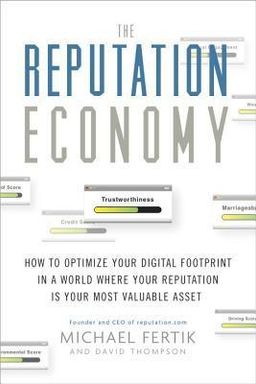
What if everything about you—your purchases, your late-night web surfing, your social media posts—was being analyzed to decide whether you get a job, a mortgage, or even a date? In The Reputation Economy, Michael Fertik and David C. Thompson reveal that this world isn’t coming—it’s already here. They argue that your reputation, not your money or even your network, is becoming your most valuable asset in a world where data analysis shapes virtually every decision. The authors contend that digital technology has transformed reputation from a local and temporary judgment into a permanent, global, and highly tradable form of currency.
Fertik and Thompson emphasize that this new economy runs on two engines: Big Data, the collection of endless information about you, and Big Analysis, the algorithms that turn this ocean of data into action—approving your loan, denying your job application, or giving you an upgrade at a hotel. They warn that your digital footprint is already being scored, ranked, and used by companies and individuals to make decisions about you, often without your knowledge. In this world, “reputation engines” will soon become as common as search engines, allowing anyone to instantly access your personal data profile.
The Collapse of Privacy and Permanence
The authors trace how reputation, once local and fleeting, has become permanent and universal. Data storage is now so cheap that deleting information costs more than keeping it. That means every click, comment, or purchase can be preserved indefinitely. Fertik illustrates this with vivid examples—from Google storing billions of searches to Facebook archiving not only your posts but even deleted photos. Just as the McDonald’s employee falsely accused of spitting in food continues to be haunted online years later, you too may live forever with digital traces of mistakes or misunderstandings.
Why Reputation Is Power
Reputation now determines whether you can borrow money, get insured, be hired, or even find a romantic partner. Fertik calls it “the most powerful currency yet created.” Borrowing sci-fi writer Cory Doctorow’s concept of “Whuffie”—a fictional reputation currency—the authors suggest that online scores measuring your trust, loyalty, and influence are quickly becoming as tangible as money. In this economy, your digital identity acts like a passport: a good reputation gives you privileges, while a bad one closes doors you’ll never notice were shut.
The Coming Commercialization of Reputation
Fertik and Thompson describe a massive commercialization of personal data. Companies are already buying, trading, and monetizing reputation information. Insurance firms use Facebook activity to evaluate risk; credit card companies adjust limits based on spending patterns; and dating apps screen candidates using background data. The authors predict that future “reputation scores” will measure everything from honesty and reliability to health and even morality. They warn that while good reputations can unlock VIP treatment, poor ones can silently destroy opportunities.
Opportunity and Risk
Despite the dangers, Fertik insists this new world offers immense opportunity. In the Reputation Economy, individuals can become “reputation rich” by curating their digital footprints. You can optimize your online profiles, moderate your social media tone, and even manage what data is visible to influence how others perceive you. The authors promise that those who understand and master reputation optimization can thrive—getting better deals, faster promotions, and richer relationships—while the unaware will be left behind, puzzled by their mysteriously disappearing luck.
Ultimately, Fertik and Thompson want you to see reputation as both a challenge and an opportunity. They urge everyone—from executives to everyday consumers—to treat online reputation as a strategic asset deserving as much care as financial planning. In this new economy, those who manage their digital selves wisely won’t just protect their futures—they’ll profit from them.