
Idea 1
Building a Business That’s Fully Alive
What if your work didn’t just pay the bills but felt worth doing—so much so that it made you feel fully alive? In The Commitment Engine: Making Work Worth It, John Jantsch argues that the secret to building businesses that thrive isn’t better strategy, sleeker marketing, or tighter management—it’s commitment. A business becomes “fully alive,” he claims, when its people and customers are infused with purpose and passion. That kind of energy doesn’t appear through control or order but by embracing a touch of chaos, creativity, and shared ownership.
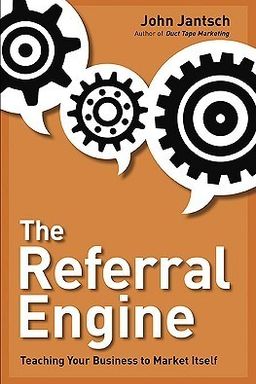
Jantsch, author of Duct Tape Marketing and The Referral Engine, extends his core philosophy: every great business runs on relationships built upon trust and authenticity. But he goes further in this book, asserting that exceptional businesses don’t just sell—they inspire a cause and lead communities. The difference between a draining, rigid company and a vibrant, self-managing one lies in commitment: people believing so deeply in the why behind the work that they give more of themselves, freely and joyfully.
The Three Pillars: Clarity, Culture, and Community
Jantsch structures his argument around three central pillars: clarity, culture, and community. Each is a key stage in transforming an ordinary business into a living ecosystem of growth, meaning, and commitment. Clarity fuels your direction—it’s knowing exactly what you stand for and why. Culture nurtures that clarity internally by shaping how people work, lead, and treat one another. And community expresses it externally, transforming customers and partners into participants in a shared story.
“Teaching your business to manage itself,” Jantsch insists, is possible if you infuse every action with clarity of purpose, empower people through a culture of trust and ownership, and invite customers to join in as a community meaningful beyond transactions. He contrasts traditional control-driven models—where owners micromanage and silence creativity—with what he calls the Commitment Engine: a system that thrives on empowerment, storytelling, and alignment.
From Chaos to Clarity
Jantsch opens with a paradox: business growth emerges not from control but from comfort with chaos. Drawing on Albert Camus’s idea that “out of chaos something remarkable emerges,” he notes that too many entrepreneurs suppress the natural disorder where innovation lives. Instead, they copy others’ systems to avoid looking foolish, smothering the creative energy that could make their businesses artful and alive. Embracing chaos, as he defines it, means trusting intuition and purpose rather than rigid management playbooks. It’s about aligning actions to what truly matters, even when the process feels messy.
His prescription echoes themes found in Simon Sinek’s Start with Why and Daniel Pink’s Drive: people crave meaning, autonomy, and mastery. But Jantsch roots those ideas in practical business-building—he shows how purpose can guide daily decisions, hiring, marketing, and management.
The Heart of a Fully Alive Business
At the heart of the book lies Jantsch’s belief that a business must serve the owner’s original intention—that is, why they started it in the first place. This authentic why, turned into a higher purpose that benefits others, becomes the gravitational center for commitment. He illustrates this through vivid examples: Mary and Tony Miller of Jancoa, a janitorial firm that shifted from struggling with staff turnover to thriving once they built around a humane mission—helping employees dream bigger through their “Dream Manager” program. Similarly, 37signals (now Basecamp) thrives not by chasing size but by an obsessive commitment to clarity—software that’s simple, elegant, and joy-inducing.
Across these examples, commitment isn’t an abstract virtue. It’s encoded into behavior: the repeated acts of trust, transparency, autonomy, listening, and storytelling. Leaders don’t demand commitment—they generate it through authenticity and alignment between their purpose and their people’s values.
Why This Matters
In a world where work often feels mechanical and disengaged, Jantsch’s framework gives entrepreneurs a map for building businesses that feed the soul as much as the bank account. The concepts of “fully alive” organizations and the “commitment engine” challenge owners to see their business not as a machine to control but a living organism to nurture. His message: purpose generates passion; passion fuels culture; and culture attracts community—and that’s what makes work worth it.
The chapters dive into this process in depth: finding clarity in purpose and passion, crafting authentic stories, cultivating a culture of trust and shared ownership, transforming staff into storytellers and partners, and engaging customers as co-creators of the brand. In the end, Jantsch calls readers to see commitment not as a managerial tactic but as the energy that animates meaningful work—a fuel that makes any business, however small, profoundly alive.