
Idea 1
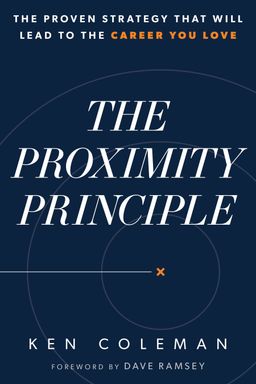
The Power of The Proximity Principle
What if the secret to finding your dream job isn’t luck or networking clichés—but simply showing up in the right places and around the right people? In The Proximity Principle, Ken Coleman argues that anyone can do work that matters if they deliberately position themselves near the people and places where that kind of work is already happening. According to Coleman, fulfilling work isn’t about mysterious breakthroughs or overnight success. It’s about intentionally surrounding yourself with the right influences, taking consistent, courageous steps, and allowing proximity to create momentum.
Coleman’s story begins on his back patio in Georgia, where he realized no one else was going to magically hand him his dream broadcasting career. It was up to him to act. This personal awakening gave rise to the simple but transformative rule that guides the entire book: to do what you want to do, you must be around people doing it and in places where it’s happening. This insight, though simple, reshapes how we think about career transitions, growth, and opportunity.
From Stuck to Strategic
Coleman begins by describing the widespread workplace malaise—he cites research showing that nearly 70% of employees feel disengaged or dissatisfied with their jobs. These aren’t lazy or indifferent workers; they’re often talented individuals who feel trapped by fear or confusion. His answer to this epidemic is a practical mindset shift: instead of focusing on massive leaps or complicated career plans, focus on getting closer to what you love. Proximity eliminates excuses and creates clarity.
He compares chasing a dream job to climbing Mount Everest—you don’t teleport to the summit, you take one calculated step at a time. Like mountain climbers, dreamers must prepare, find the right guides, practice regularly, and stay grounded. Each stage requires courage but also companionship—professors, mentors, peers, professionals, and producers—people who challenge, support, and open doors for you. Without these groups, the climb is lonely and uncertain.
People, Places, and Practices
Coleman organizes his principle into three parts that act like gears in a growth machine: the people who shape you, the places that stretch you, and the practices that sustain progress. First, you identify and build relationships with key groups—professors who teach, professionals who model excellence, mentors who guide, peers who sharpen your focus, and producers who create opportunities. Then, you intentionally place yourself in environments that foster learning and momentum—from your current location (“the place where you are”) to places that let you learn, practice, perform, and finally grow. Each stage brings you closer to the summit.
In the closing section, Coleman introduces the final element: proximity practices. These are the actions that transform intention into opportunity—creating meaningful connections, making them count through humility and boldness, seizing interviews and openings, and finally adopting the “proximity mindset” that turns daily work into long-term growth. This mindset, as illustrated by figures like Dave Ramsey and everyday professionals, ensures that you never stop learning or helping others climb as you do.
Why It Matters Today
Coleman’s principle reflects a deeper truth echoed by thinkers such as Malcolm Gladwell and Simon Sinek: meaningful success requires both consistent discipline and connection to purpose. In an age dominated by digital networking and remote work, Coleman’s insistence on physical proximity—literally showing up where the action happens—feels refreshingly human. It emphasizes apprenticeship over algorithms and relationships over résumés. You don’t find your calling alone behind a computer screen; you cultivate it in community.
“The right people plus the right places always equal opportunities.”
Ultimately, Coleman’s book is a hopeful blueprint. It reminds you that purpose isn’t discovered through waiting—it’s developed through movement. Each person you meet and each place you step into can either pull you closer to your calling or keep you stuck on the sidelines. Your dream job isn’t out of reach; it’s just waiting for you to get close enough to touch it.