
Idea 1
The Science and Strategy of Conquering Procrastination
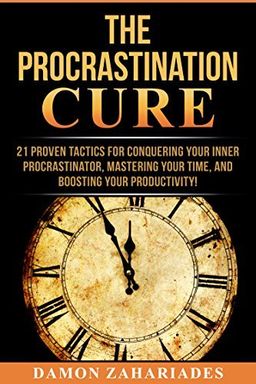
Ever find yourself binge-watching Netflix instead of tackling that looming deadline? Damon Zahariades’ The Procrastination Cure dives deep into exactly why that happens—and more importantly, what you can do to stop it. Through this practical and engaging guide, Zahariades argues that procrastination isn’t simply laziness or poor time management. It’s a complex psychological pattern driven by fear, overload, perfectionism, and our desire for immediate comfort. He insists that conquering procrastination requires shifting how you think, act, and structure your day—not relying on fleeting motivation, but designing systems and habits that make action automatic.
Understanding the Habit Behind Delay
Zahariades starts by redefining procrastination. Traditionally, it means postponing action, yet he distinguishes between rational delay (like waiting until a store is less crowded) and irrational postponement—the kind that damages productivity and well-being. True procrastination, he explains, occurs when you defer action even though acting sooner would clearly be wiser. You might know that studying tonight would help you ace your exam, but somehow that Netflix show feels more appealing. The author connects this struggle to human nature: we crave short-term rewards and avoid discomfort.
In his view, this isn’t simply a character flaw. It’s the age-old battle between your Present Self—who wants pleasure now—and your Future Self—who values long-term success. Every time you choose an immediate comfort (TV, scrolling, snacks) over effortful work, it’s your present self winning the tug-of-war. Zahariades’ mission is to teach you how to rebalance that fight by making productive actions more immediately rewarding and emotionally tolerable.
The Cost of Delay
Before presenting solutions, Zahariades illustrates just how costly procrastination can be—personally and professionally. He shares his own story of missing deadlines, paying late fees, and even watching his car get towed because he deferred registering it. The price wasn’t just financial; it was emotional. Chronic procrastination breeds guilt, anxiety, and frustration, erodes self-confidence, and damages relationships. On the professional side, it diminishes trust and opportunity. By showing these ripple effects, Zahariades makes it clear that procrastination is not a harmless delay—it’s an invisible thief that quietly drains time and potential.
Why You Put Things Off
In Part I, Zahariades breaks down seventeen psychological triggers behind the habit. They range from fear of failure and success to perfectionism, anxiety, boredom, indecision, and even uncertainty about how to begin. Each reason has different roots—some emotional, others cognitive—but all drive the same behavior: postponing what matters. For example, fear convinces you that mistakes will define you, while perfectionism insists nothing you do is ever good enough. Overwhelm makes even small steps feel pointless; boredom disconnects you from motivation. This granular understanding gives the reader a diagnostic map—rather than labeling yourself lazy, you can identify specific obstacles causing paralysis.
A Toolkit of Actionable Tactics
Part II forms the heart of Zahariades’ “cure”: 24 concrete tactics to dismantle each psychological roadblock. These range from classic productivity ideas—like “Eat the Frog First” (from Mark Twain), time chunking, and setting external deadlines—to newer behavioral strategies like temptation bundling and commitment devices drawn from behavioral economics (used by scholars like Katherine Milkman and the authors of Freakonomics). Each tactic replaces motivation with structure, helping you build habits where action comes automatically. For example, “Do the First 10 Minutes” teaches that starting reduces dread; accountability partners create social pressure; shortening to-do lists removes feelings of overwhelm; and forgiving yourself turns failures into momentum rather than shame.
The Paradox: When Procrastination Helps
Interestingly, Zahariades doesn’t demonize procrastination entirely. In Part III, he introduces “active procrastination,” a counterintuitive idea suggesting that sometimes delaying one task can help prioritize another. Unlike passive procrastinators who waste time, active procrastinators substitute one meaningful task for another, leveraging pressure and urgency to maximize performance. While he acknowledges critics like Timothy Pychyl (who argues procrastination is always self-regulatory failure), Zahariades contends that disciplined delay can occasionally boost productivity—if managed intentionally.
Why This Approach Matters
The brilliance of The Procrastination Cure lies in its practicality. Zahariades translates behavioral psychology, habit formation, and time management research into relatable, human-centered advice. He reminds readers that change happens through consistent small steps, not overnight transformation. By the end, his tone is empathetic but firm: you’re not broken, but you do need systems that make taking action inevitable. The book is both a mirror and a manual—reflecting the hidden patterns of your procrastination and equipping you to redesign your days around what truly matters. The takeaway is powerful: procrastination isn’t something to outthink—it’s something to outmaneuver.