
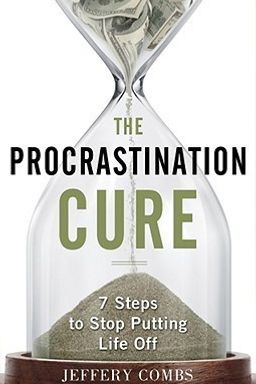
The Procrastination Cure cover

The Procrastination Cure

by Jeffery Combs

The Procrastination Cure offers a practical guide to overcoming procrastination by addressing its emotional roots. Learn to manage emotions, embrace imperfections, and balance productivity with relaxation, all while transforming defiance into passion and unlocking your full potential.

Procrastination as a Curable Effect

Why do you keep putting things off, even when you know it will cost you time, money, and peace of mind? Jeffery Combs begins The Procrastination Cure with a provocative claim: you're not a procrastinator—you just procrastinate in certain areas where you perceive discomfort or pain. This distinction is the book’s heartbeat. Combs insists procrastination isn’t a character flaw or moral failure; it’s simply an effect caused by underlying emotional triggers and habits. To cure it, you must identify the causes behind the delay pattern rather than obsessing over the effects of missed deadlines and frustration.

Drawing from more than 60,000 hours of coaching entrepreneurs and individuals, Combs portrays procrastination as an emotional addiction—a familiar state of guilt, anxiety, and disappointment that the brain keeps recreating due to chemical and psychological comfort zones. Instead of treating procrastination as laziness, Combs invites you to consider it an epidemic of misplaced control: you delay action to avoid emotional pain. But by addressing the root cause, he believes anyone can transform from a procrastinator to a producer.

Understanding Procrastination

Combs divides procrastination behaviors into manageable pieces—emotions, habits, and identities. He emphasizes that identifying as a “procrastinator” reinforces delay. Every time you use that label casually, your subconscious treats it as truth. The cure starts by rejecting the identity and embracing recovery language: call yourself a “recovering procrastinator.” This small shift of words rewires self-perception and opens the door to change.

According to Combs, procrastination operates primarily in the left side of the brain—the logical, control-oriented part that triggers dopamine and anxiety during repeated self-criticism. Our left brain protects us from perceived pain but also keeps us stuck. The right brain, meanwhile, releases serotonin and promotes creativity and pleasure. Your mission, Combs says, is learning to live more from the right brain—smiling, affirming, and acting—because each positive action releases chemicals that reward forward movement instead of delay.

Six Faces of Procrastination

The book’s core chapters profile six primary procrastinator types: the neurotic perfectionist, big-deal chaser, chronic worrier, rebellious procrastinator, drama addict, and angry giver. Each archetype expresses procrastination through different emotional patterns—control, fear, overwhelm, rebellion, chaos, and overcommitment. These portraits are colorful and grounded in Combs’s coaching stories, giving readers concrete personalities to identify with. By finding which combination fits you, the book encourages self-awareness and emotional healing.

A perfectionist avoids starting tasks until everything feels flawless; a big-deal chaser drowns in grand visions that never manifest; a worrier hides behind endless analysis and security-seeking; a rebel resists authority, even if it means sabotaging their own success. The drama addict thrives on intensity, waiting until crisis forces action; while the angry giver overproduces for others until resentment fuels exhaustion. Through these portraits, Combs illustrates that procrastination is rarely about time management—it’s about emotion management.

From Awareness to Recovery

Once you recognize your type, the next phase is action through emotional liberation. Combs borrows from 12-step recovery language, proposing that change happens “one day at a time” and begins when awareness replaces denial. You stop making excuses, notice the triggers, and start producing small results. The process doesn’t rely on willpower alone; it relies on consistency and objectivity. Transformation is “methodical,” not miraculous. Each day you clean one corner of your life, answer one call, or complete one overdue task, you strengthen your capacity for discipline.

Why This Matters

Combs treats procrastination as a spiritual and economic epidemic. He cites studies showing that delayed tax filings cost Americans hundreds of millions of dollars annually—proof that procrastination drains collective prosperity. But the personal price is higher: it erodes confidence and peace. By reclaiming time, you don’t just get more done—you regain self-esteem, health, and freedom. The book ultimately calls for balanced living where production and relaxation coexist without guilt. Procrastination, in this framework, isn’t conquest of laziness but the cultivation of emotional maturity.

“Procrastination has never been about managing time; it’s always been about managing yourself.” —Jeffery Combs

Ultimately, this cure flows from self-compassion, patience, and disciplined action. Combs’s journey—from an alcoholic struggling with denial to a coach guiding thousands—proves that emotional transformation produces real productivity. You can’t schedule success if your identity is stuck in guilt, rebellion, or drama. But when you accept that procrastination is just feedback for an emotion ready to heal, the cure becomes attainable—and permanent.


The Six Faces of Procrastination

Jeffery Combs breaks procrastination into six distinct emotional identities. Each type reveals how avoidance is rooted in personality patterns formed by early experiences and emotional addictions. Understanding your type helps dismantle guilt and replace judgment with self-awareness.

The Neurotic Perfectionist

This person cannot begin until the conditions feel perfect. Their productivity collapses under fear of imperfection. Combs links this to childhood expectations—parents or teachers who equated worth with flawless performance. Perfectionists, he says, “write and rewrite” endlessly and often alienate others with their high standards. Liberation begins when they embrace “relaxed intensity”—replacing perfection with excellence.

The Big-Deal Chaser

Big-deal chasers are dreamers intoxicated by vision. They plan grand projects but rarely finish. Their motto: go big or go home. They’re exciting to be around but perpetually broke. Combs recounts his own fall into $100,000 debt when chasing a “rescue investment.” Recovery comes through humility—build small wins, get on base, and reward production instead of hype.

The Chronic Worrier

Worry addicts live in perpetual fear—afraid of mistakes, rejection, or change. Their inner dialogue is full of what-ifs. Combs notes they often inherit worry from parents shaped by scarcity or war. They’re intelligent but detached from emotion, spending hours processing rather than acting. Healing requires vulnerability and presence: focus on today instead of hypothetical disasters.

The Rebellious Procrastinator

Rebels resist authority—even their own success. They mask insecurity with defiance, performing only to show independence. Many artists and entrepreneurs fit this pattern. Combs explains how his own anger once sabotaged his career until forgiveness softened it. The cure is channeling rebellion into creativity and collaboration rather than conflict.

The Drama Addict

This type lives for crises. Drama addicts “wait until pain is great enough” before acting. They work best under pressure but collapse afterward. Their addiction to adrenaline mimics emotional highs and lows of codependence. Recovery involves learning balance—replacing chaos with peace and seeing drama as choice, not destiny.

The Angry Giver

Angry givers and overcommitted producers hide behind false service. They give endlessly to earn approval yet neglect themselves. Their busyness looks productive but stems from resentment. Combs urges them to learn the art of receiving—setting boundaries, saying no, and cultivating balance between serving and living.

By mapping these archetypes, Combs reframes procrastination as emotional diversity rather than failure, each personality requiring a tailored cure.


Turning Awareness into Action

Recognizing procrastination isn’t enough—you have to convert awareness into action. Combs’s recovery process mirrors addiction recovery: admission, awareness, decision, and discipline. He insists that lasting change begins by accepting that procrastination is emotional, not motivational. It’s not about laziness; it’s about unresolved feelings like fear, guilt, or control.

Breaking Denial

Denial convinces you that the problem is external—the workload, the weather, the boss. But delay starts internally, in the stories you tell yourself. Combs encourages readers to clean one corner at a time. Don’t aim for perfection; aim for progress. When denial lifts, energy releases. The act of doing a small thing transforms identity faster than motivational slogans ever could.

Living in the Solution

Procrastinators, Combs observes, often live in the problem—talking about what’s wrong, listing obstacles, or reliving mistakes. Recovery means living in the solution. Examples from his coaching show how clients overcome overwhelm by focusing on single actions instead of entire outcomes. One client used a fifteen-minute cleanup technique; within weeks her environment mirrored her new mindset.

Words That Create Reality

Language shapes procrastination. Phrases like “I’ll try” or “hopefully” dilute commitment. In contrast, decisive language—“I choose,” “I commit,” “I produce”—accelerates results. Combs also advises listening to your self-talk for hesitation words like “um” or “well.” These linguistic stalls mirror mental delay. Replace them with clarity, and action follows naturally.

Overcoming procrastination involves transforming thought into movement, guilt into grace, and control into creativity. You change by doing—not by waiting to feel ready. As Combs puts it, “The time of your life is now o’clock.”


Transformation Through Small Steps

Once awareness takes root, transformation requires sustained practical habits. Combs introduces measurable daily actions—the backbone of recovery. His advice resembles Kaizen methods (small, continuous improvement): break life into fifteen-minute increments, set realistic goals, and build momentum through manageable wins.

Fifteen-Minute Power

Combs urges you to pick one overwhelming area—a cluttered desk, chaotic inbox, or unmade calls—and dedicate just fifteen minutes. This limited time frame quiets perfectionism and triggers action. The psychological trick: starting shrinks the resistance. He compares the last fifteen minutes of a sports game to these sessions—short, focused bursts where everything can change.

Small, Realistic Goals

Big goals paralyze. If you aim for $200,000 income without current habits to support it, you’ll stall. Combs tells a story of a client who mirrored this mistake; he reminded her, “Do you have a $200,000 habit?” The lesson: success scales with habit, not hope. In contrast, small achievable goals breed confidence and cumulative momentum.

Reward and Self-Evaluation

Each complete action deserves recognition. Combs recommends giving yourself emotional credit—say, “I am enough.” This is cognitive-behavioral reinforcement: link effort to self-worth. Over time, self-evaluation replaces self-judgment. You begin to measure progress by movement, not perfection.

Change isn’t a leap—it’s a series of daily, deliberate increments. Production grows from patience, not pressure.


Healing Emotional Roots

Combs places emotional healing at the center of curing procrastination. Issues like anxiety, anger, and guilt drive most delay patterns. Using stories from his own recovery, he explores how healing emotion neutralizes procrastination’s biochemical loop.

Addressing Emotional Addictions

People become addicted to emotional states—adrenaline for drama addicts, resentment for rebels, guilt for angry givers. The brain releases chemicals reinforcing these feelings, making them familiar. Emotional sobriety means replacing those stimulants with peace, patience, and pleasure. Combs’s mantra, “Just smile,” isn’t trivial—it’s biochemical reprogramming to release serotonin.

Forgiveness and Self-Love

Forgiveness is the book’s cornerstone. Rebels and worriers alike carry pain from early rejection or unrealistic standards. Combs teaches radical forgiveness (inspired by Colin Tipping): forgive events, people, and yourself. Self-love replaces self-criticism. Procrastination fades once the emotional need for delay dissolves.

Raising Consciousness

Awareness is synonymous with consciousness. As you recognize cause-and-effect patterns, your vibration changes—you attract collaboration instead of conflict. This spiritual edge parallels Eckhart Tolle’s The Power of Now: you transcend the “pain body” by living presently rather than replaying old pain. Healing thus becomes both psychological and spiritual.

Emotional recovery isn’t about suppressing anger or fear—it’s learning to let energy flow constructively toward creation instead of crisis. Peace becomes more thrilling than panic.


Recovering Productivity and Balance

Beyond emotional discovery, Combs builds a structured system for sustainable productivity—the seven habits of recovering procrastinators. Each habit translates awareness into practical behavior, balancing work, relaxation, and integrity.

Manage Yourself in Time

Time management is futile, Combs argues; you can only manage yourself within time. Instead of controlling the clock, align with flow. Use the “gift of 86,400 seconds” wisely—create priorities, eliminate chaos, and borrow time from low-value tasks.

Perform and Delegate

Once you act, finish. Completion consciousness distinguishes producers from dreamers. Write things down. Keep lists. Use systems instead of chaos. Delegation empowers recovery from the angry giver syndrome—you don’t have to do everything alone.

Eliminate Distractions

Digital noise and multitasking feed procrastination. Combs warns especially against “the seduction of social media.” Focus becomes spiritual practice—saying yes to what matters and no to what drains energy.

Reward and Reflect

Reward yourself consciously. Celebrate each step. Then practice self-evaluation without blame. The habit loop becomes positive reinforcement: progress births peace, peace births productivity.

Balance is achieved when you turn production into joy—not stress. Combs shows that relaxing without guilt is as vital as working without resistance, completing the cure.


Living the Spirit of Free Enterprise

In his final chapters, Combs connects overcoming procrastination to living freely and purposefully—the essence of what he calls the “spirit of free enterprise.” For him, entrepreneurship symbolizes emotional liberation: creating results through decision rather than dependency.

Freedom from Expectation

Many procrastinators are trapped by unrealistic expectations—personal, familial, or societal. Free enterprise mindset replaces obligation with opportunity. Rather than trading time for dollars or waiting for permission, you act on purpose. Combs’s stories of clients who reclaimed financial stability after chronic delay testify to this empowerment.

Purpose as Antidote

Purpose doesn’t have to be grand—it can be a daily sense of contribution. Every call, meeting, or creative act becomes service rather than struggle. The antidote to procrastination is not motivation but inspiration: a reason bigger than fear. When you live “the Four Ls”—love for people, God, your work, and yourself—you produce naturally.

Becoming a Producer

Production isn’t grind or hustle; it’s expression. Combs, like Jim Rohn before him, equates disciplined production with dignity. You respect time, energy, and relationships enough to deliver results. Success becomes emotional clarity made visible. By the book’s conclusion, productivity feels spiritual—proof of alignment between calling and action.

Prosperity, Combs reminds us, means being “in the flow.” When you’re aligned with purpose, procrastination disappears—not from willpower, but from peace.

Dig Deeper

Get personalized prompts to apply these lessons to your life and deepen your understanding.

Go Deeper

Get the Full Experience

Download Insight Books for AI-powered reflections, quizzes, and more.