
Idea 1
The Power of Visual Storytelling in a Digital World
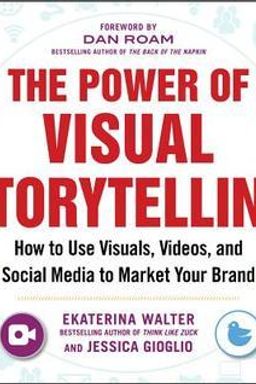
How do you make people genuinely feel something about your brand in a world drowning in noise? We scroll past thousands of words every day, yet one striking image can stop us cold. In The Power of Visual Storytelling, Ekaterina Walter and Jessica Gioglio argue that visuals—photos, videos, infographics, memes, and user-generated content—are not just accessories to marketing; they are the language of connection, trust, and influence in the digital era. They contend that in our fast-moving, short-attention-span world, visual storytelling has become the new gold standard for engagement.
The authors, both seasoned social media strategists, invite marketers to reimagine how stories are told—not through endless text, but through images that make audiences stop, smile, think, and share. They argue that the companies thriving today—from Burberry and Coca-Cola to Lululemon and Oreo—are those who understand that visual storytelling fuses emotion with information. It’s about crafting a narrative people want to participate in, not merely consume.
Why Visuals Rule the Modern Mind
All humans are visual creatures. The book explains that our brains process visuals 60,000 times faster than text, and 90% of the information transmitted to the brain is visual. Words require decoding; images are instant. Walter and Gioglio use anecdotes and research—from Albert Mehrabian’s 93% nonverbal communication study to Dan Roam’s exploration of visual thinking—to show how visuals shape our perception and emotion. Whether it’s an infographic explaining data at a glance or a photo conveying joy, visuals translate abstract ideas into visceral experiences.
In this sense, visual storytelling isn’t about decoration—it’s about communication. It’s what turns “content” into something memorable. As Brian Solis (author of What’s the Future of Business?) puts it, powerful visual storytelling “affects one’s being, changing perspective and ultimately behavior upon impact.”
The Evolution of Visual Platforms
The authors trace the rise of the visual web—from the early photo-sharing days of Flickr and Myspace to today’s giants like Instagram, Pinterest, Facebook, Vine, and YouTube. Facebook’s transformation from a text-heavy directory (2004) into a vibrant visual newsfeed is emblematic of the entire shift. Posts with images receive up to 180% more engagement. Instagram users share 40 million photos a day. Pinterest drives more retail referral traffic than YouTube, LinkedIn, and Google+ combined. These platforms are not just creative outlets; they are storytelling ecosystems where brands must meet their audiences visually.
Marketers now operate in what the authors call the “Now! Economy,” where real-time, bite-sized visual updates sustain engagement. The brands that master this—by showing rather than telling—build communities, propel word-of-mouth sharing, and earn trust. As Seth Godin reminds us, “Marketing is creating products and services that lead your tribe to tell stories that spread.”
Beyond Content: Crafting a Visual Narrative
Walter and Gioglio emphasize that “content is no longer king—engagement is.” A great image alone isn’t enough. The secret is weaving visuals into a narrative arc that reflects your brand’s core identity and purpose. They define visual storytelling as using visuals across social platforms to build a graphical story around your brand’s values and offerings. It’s about emotion before information: empathy that drives sharing and advocacy.
For example, Benefit Cosmetics’ Twitter campaign #BeautyBoost spread instant affirmations (“Your lashes are longer than a supermodel’s legs”) accompanied by charming images. The result wasn’t a direct sales pitch but a social moment of empowerment and humor that fans remembered and shared. Likewise, Burberry’s Art of the Trench captured everyday people in trench coats—creating a visual celebration of individuality and timeless style that drove millions of views.
Why This Matters
Today, attention is a scarce commodity. The average adult attention span in the digital age hovers between two and eight seconds. As the authors note, we live amid “infobesity”—a glut of data competing for our limited focus. You can’t win by shouting louder; you win by being seen, felt, and remixed by your community. Visual storytelling transforms passive audiences into active participants. It bridges culture and context, speaks faster than words, and turns engagement into loyalty. It’s also democratizing: even small brands with limited budgets can craft compelling visuals using creativity and authenticity rather than expensive production.
Throughout the book, Walter and Gioglio combine research, platform-specific tactics, and inspiring case studies to build a practical framework. They cover the seven elements of visual storytelling—design, personalization, usefulness, personality, storytelling, shareworthiness, and real-time amplification. They explore how visuals drive success across each major platform (Facebook, YouTube, Twitter, Instagram, Pinterest, Tumblr, Vine, and SlideShare). Finally, they bring it together in a step-by-step roadmap for developing a strategy grounded in data, creativity, and human connection.
“Visual storytelling isn’t just a shiny new phenomenon. It’s here to stay—and it will continue to evolve as new social media platforms enter the mix.”
Whether you’re a brand manager, entrepreneur, or creator, The Power of Visual Storytelling challenges you to shift from broadcasting messages to creating shareable moments. It’s about crafting visuals that don’t just attract clicks—but start conversations and build emotional resonance. In a world of fleeting attention, this book shows how the right picture doesn’t just speak a thousand words—it tells your story.