
Idea 1
The Power of Discipline: Unlocking the Gateway to Success
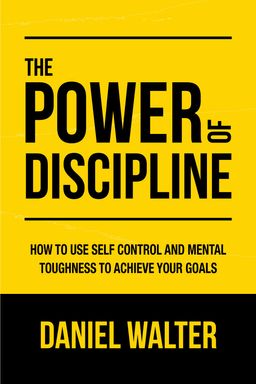
Why do so many people set goals—like losing weight, saving money, or improving their lives—only to fail months later? Daniel Walter’s The Power of Discipline begins with a simple but profound answer: the missing ingredient isn’t talent, luck, or intelligence—it’s self-discipline. Without discipline, Walter argues, all other success principles crumble, no matter how brilliant they sound. This book teaches how to cultivate self-control and mental toughness so you can finally build habits that move you toward your goals rather than away from them.
Walter frames discipline as the “key that unlocks everything.” He insists that the average person, equipped with consistent self-discipline, can rise higher than someone far more gifted who lacks it. True change begins not through motivational bursts, but by reshaping how you think and behave every day. The introduction challenges readers to take full responsibility for their circumstances—if you are stuck, it’s likely because your habits keep you there. Change, therefore, comes from changing what you repeatedly do.
The Biology Behind Discipline
One fascinating premise Walter explores is that discipline is not merely a moral trait—it’s biological. Neuroscience studies, like those conducted by Todd Hare and Colin Camerer using fMRI technology, expose how the brain’s prefrontal cortex governs the ability to delay gratification. People who show greater activity in this area tend to make better long-term decisions. Consistent practice strengthens this mental “muscle,” much like weightlifting tones the body. Self-discipline, therefore, can be trained through conscious effort rather than relying on willpower alone.
Willpower Isn’t Infinite—Protect It
Walter introduces the concept of “willpower fatigue.” The brain, like a muscle, tires after repeated exertion. Studies by psychologist Roy Baumeister demonstrate that willpower depletes when people face temptation or stress, leading to impulsive decisions later. The remedy? Protecting your willpower by managing environments that reduce temptation. For example, removing junk food from your house prevents nightly battles over cookies. Avoiding mental fatigue and reducing daily decision clutter keeps your discipline strong. (Similar ideas appear in Charles Duhigg’s The Power of Habit, where environmental design reinforces willpower.)
Why Discipline Matters Everywhere
As Walter explains through practical and psychological research, self-discipline influences every dimension of life—career success, relationships, health, finances, and personal integrity. A disciplined person is confident because they act on intentions rather than impulses. They are reliable because they follow through on their word. This reliability builds trust in relationships and self-respect within. Discipline also protects against risky behaviors and “status quo bias,” the human tendency to stay stuck in comfortable routines even when those routines lead nowhere.
Breaking the Chains of Comfort
To strengthen self-discipline, you must first confront your own psychological resistance. Walter outlines various mental traps—like the fear of change, loss aversion, and self-deception (the Dunning–Kruger Effect)—that make people overestimate their capabilities while doing very little to improve. Real growth demands that you get comfortable being uncomfortable. You have to tolerate temporary pain—whether that’s waking up earlier, exercising, saying no to spending, or facing rejection—to reach long-term rewards. The discipline journey, he insists, begins with small, mundane habits: exercising consistently, tidying your space, planning daily goals, and controlling emotions instead of reacting to them.
System Over Goal
Unlike traditional self-help that glorifies goal-setting, Walter encourages focusing on systems—the routines and internal structures that sustain steady progress. It’s not about wanting to lose weight, he says; it’s about seeing yourself as the type of person who eats healthy and exercises daily. This shift from outcome to identity mirrors the ideas of James Clear in Atomic Habits: motivation fades, but identity-driven behavior lasts. Systems train your brain to operate on autopilot, turning ambition into action.
From Zen to Navy SEALs: How Masters Think
Throughout the book, Walter pulls lessons from two extremes—the serene discipline of Zen Buddhist monks and the grueling resilience of Navy SEALs. Both groups demonstrate self-control through consistent training and self-awareness. Monks teach mental calm, gratitude, and alignment with purpose, while SEALs push past perceived limits with mental toughness rules like the 40% Rule. The message: discipline is not mere restraint—it’s liberation from the chaos of impulses. When you transcend comfort and consistently act with focus, your life transforms.
Why This Book Matters
Ultimately, The Power of Discipline is not just about habit-building—it’s about reshaping identity. Walter positions discipline as the foundation for happiness, confidence, and freedom. You stop “trying” and start “doing.” You replace fleeting feelings with purposeful behavior. By the book’s conclusion, Walter reminds readers that ordinary people achieve extraordinary success through daily, disciplined action. Self-discipline might sound daunting, but as he writes, it’s the one skill that makes everything else work—and once you master it, every door in life begins to open.