
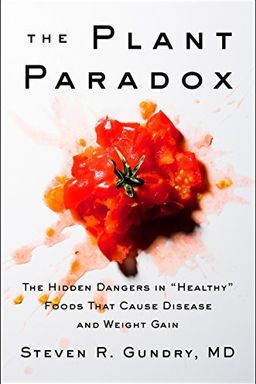
The Plant Paradox cover

The Plant Paradox

by Steven R Gundry

The Plant Paradox reveals the hidden dangers lurking in seemingly healthy plant foods. Dr. Steven R. Gundry uncovers how lectins, a type of plant protein, can wreak havoc on our health. Through his six-week Plant Paradox Program, readers can learn to navigate these dietary pitfalls, cleanse their bodies, and embrace a path to optimal health and weight management.

The Hidden War Between Plants and Your Body

What if the foods you consider healthy have evolved to fight back? In The Plant Paradox, cardiologist Dr. Steven R. Gundry argues that many chronic health and weight problems stem from an invisible biochemical war between plants and their predators—including you. His core claim is simple but radical: plants make defense proteins called lectins that can bind to your cellular sugars, confuse your immune system, and ignite inflammation that leads to autoimmune, metabolic, and degenerative disease. Understanding this defensive behavior of plants, he insists, is the missing link in modern nutrition.

Plants as active defenders, not passive food

Rather than benign sources of nourishment, plants are portrayed as strategic chemists. They produce lectins—sticky proteins that attach to the sugars coating cell membranes of fungi, insects, and animals—to discourage being eaten. Ancient plants and their human consumers coevolved; your body learned to tolerate those lectins over time. But the majority of modern crops—grains, beans, and New World vegetables—entered human diets only in the last 10,000 years, far too recently for your immune system to adapt. As a result, many of today’s common foods quietly act as molecular saboteurs.

When lectins like wheat germ agglutinin (WGA), peanut lectin, or tomato seed lectin reach your intestine, they bind to your gut wall and open its “tight junctions,” causing what Gundry calls leaky gut. Fragments of lectins and gut bacteria then slip into the bloodstream, triggering systemic confusion and autoimmunity. The same mechanism that protects a seed from being eaten can, inside you, turn your immune system against your joints, thyroid, or skin.

The holobiome: you and your microbes

Gundry frames you not as an individual human but as a holobiome—an ecosystem of microbes, fungi, and human cells cooperating to survive. This five-pound microbiome mediates everything from digestion to emotional stability. The intestinal lining and its mucus barrier are your first defense against plant toxins. When antibiotics, painkillers (NSAIDs), or acid-blockers damage that border or kill the protective bacteria, lectins gain entry and inflammation spreads. In case after case—Jill and Michael with Crohn’s disease, Tony with vitiligo, Paul with allergic crises—he shows how sealing the gut reversed conditions once assumed incurable.

Modern disruptors that magnify lectin harm

Gundry traces why lectin damage seems worse now. Seven “Deadly Disruptors”—antibiotics, NSAIDs, acid blockers, artificial sweeteners, hormone‑mimicking chemicals, genetically modified crops sprayed with glyphosate, and blue light from screens—have made us more vulnerable than previous generations. These agents destroy our good microbes, distort hormonal signaling, and confuse circadian rhythms. The result is an immune system perpetually on high alert and a body that mistakes normal foods for threats.

Why you get fat when your body feels under attack

Traditional diet advice blames willpower or calories. Gundry proposes something more primal: your body stores fat because it believes it’s at war. When lectins and bacterial fragments slip through a leaky gut, your immune system demands fuel to fight back. Fat stores cluster near those “front lines” (the abdomen), and hormones like insulin and leptin are distorted—sometimes by lectins that mimic them directly, such as WGA’s insulin‑like activity. This biological panic mode explains why restricting calories often fails; the fat itself is a symptom of ongoing inflammation.

The program: stop, repair, and reintroduce

To resolve this hidden conflict, Gundry’s Plant Paradox Program removes the dietary “bullets” and rebuilds the microbiome. The plan unfolds in three phases—(1) cleanse and starve the bad microbes, (2) repair the gut wall and repopulate good bacteria, and (3) reintroduce selected lectins only after healing. He insists that “what you stop eating matters more than what you start eating.” The rest of the book dives into practical details: why pressure cooking destroys lectins, which fats soothe the gut instead of inflaming it, how circadian light exposure affects cravings, and when ketosis can restore damaged mitochondria. Real-world case studies—from diabetic reversals to autoimmune remissions—anchor the theory in patient experience.

Core message

You are in a constant dialogue with the foods you eat and the microbes that interpret them. Heal the gut, respect your evolutionary biology, and remove modern disruptors—and your body will stop seeing dinner as an attack and begin to heal itself.


Lectins and the Gut Barrier

At the heart of Gundry’s argument lies the gut—the single-cell-thick defense line that separates the outside world from the body’s interior. Lectins fuse directly into that defense system by binding carbohydrate molecules on intestinal cells. Over time this interference increases production of zonulin, a protein that pries open the tight junctions between gut cells and allows large molecular fragments into the bloodstream—a process known as leaky gut.

How lectins breach the wall

Lectins from grains, beans, and nightshades are particularly problematic because they were foreign to human biology until agriculture arose. Wheat germ agglutinin (WGA), corn’s zein, and soy’s agglutinin can survive cooking and digestion. Once past the mucus layer, they attach to receptors and start a biochemical chain reaction. These “false keys” mimic human proteins, leading to molecular mimicry—a trick that provokes autoimmune attacks on your own tissues. Gundry presents cases such as Tony’s restored pigment after vitiligo remission and Paul G.’s resolved allergic responses after removing lectins as vivid proof of this mechanism.

The microbiome's defense system

Your microbiome forms the first protective network against lectins. Symbiotic bacteria consume or neutralize harmful proteins before they reach the gut wall. However, antibiotics, acid suppressors, or high sugar diets destroy this community. When good microbes die off, aggressive species take over, feeding on sugars and plant toxins that make you crave more of the very foods that keep you inflamed. The chain reaction—damaged microbes, weakened mucus, and widening gut junctions—becomes the foundation for autoimmune and metabolic disease.

Real-world transformations

Patients such as Jill W. and Michael V., both with Crohn’s disease, regained health by rebuilding their microbial “rain forest.” Their dramatic recoveries show that healing the gut halts systemic inflammation even when drugs fail. Gundry crystallizes this pattern: restore microbial diversity, reinforce the mucous barrier, and your immune system calms down.

Summary insight

Leaky gut isn’t a fringe concept—it’s the central vulnerability that lets plant defenses cross into your bloodstream. Protecting and feeding your gut microbes is not an optional wellness trend; it’s your immune system’s survival strategy.


Modern Disruptors and Biological Chaos

Gundry identifies seven modern forces he calls the Seven Deadly Disruptors that amplify lectin harm and sabotage your gut’s defenses. While each seems harmless in isolation, together they create a perfect storm of microbial collapse, hormonal confusion, and metabolic chaos.

Chemical and pharmaceutical disruptors

Broad-spectrum antibiotics eliminate not just pathogens but entire ecosystems of friendly bacteria, leaving your gut barren for opportunists. NSAIDs like ibuprofen and naproxen erode the small-intestine mucous lining invisibly, setting up leaky gut. Proton pump inhibitors (PPIs) reduce stomach acid, impair protein digestion, and promote bacterial overgrowth. In Gundry’s clinic, patients such as Sara Y. (Crohn’s) and Elena J. (protein malabsorption) recovered once they discontinued these drugs and repaired their gut integrity.

Dietary and environmental hackers

Artificial sweeteners kill good microbes and distort your brain’s satiety response. Endocrine disruptors—chemicals like phthalates, BPA, and triclosan—mimic hormones, increase fat storage, and alter thyroid function. Genetically modified crops sprayed with glyphosate undermine microbial production of amino acids crucial for serotonin and thyroid hormones. Last, chronic exposure to blue-spectrum light extends your internal “day,” confusing circadian rhythms and tricking your metabolism into perpetual fat storage mode.

Interacting pathways of dysfunction

The disruptors act synergistically: antibiotics and PPIs thin microbial ranks, NSAIDs make the gut porous, and glyphosate poisons surviving bacteria. Blue light and artificial sweeteners then reinforce hormonal misfires. What emerges isn’t a single villain but a coordinated breakdown of ancient biological stability.

Bottom line

You aren't weak or undisciplined—your environment has been engineered to confuse the very systems that once kept humans lean and disease‑free. Undoing that interference is the first real step toward lasting wellness.


The Fat Storage Defense Mechanism

In Gundry’s model, obesity is not a moral or mathematical problem—it’s a survival response. Your body hoards energy when it believes it’s under siege. Lectins and bacterial fragments that leak into circulation provoke an immune reaction, and your metabolism switches into defense mode: store first, heal later.

Hormonal mimicry and confusion

Certain lectins, such as WGA, imitate insulin and attach to its receptor sites without releasing. The result is disastrous: fat cells keep getting the signal to store glucose while muscle cells starve for energy. You feel tired, crave more sugar, and gain fat despite eating less—a pattern recognizable in modern metabolic syndrome. WGA also interferes with leptin signaling in the brain, disconnecting fullness cues, explaining voracious hunger in grain-heavy diets.

Microbes and appetite

Your microbes further influence weight by extracting calories and regulating hunger hormones. Studies comparing germ-free and colonized mice show that microbes alone can transfer obesity traits. Gundry cites these experiments to show how repairing the microbiome means resetting calorie extraction itself. With healthy flora, resistant starches turn into energy-balancing short-chain fatty acids like butyrate instead of fat-promoting glucose floods. Cultures such as the Kitavans, who eat taro and green bananas—the “skinny carbs”—illustrate this metabolic harmony.

Weight loss as a side effect of healing

Patients like Simon V. and Maria S. improved cholesterol, reversed diabetes, and lost weight naturally by repairing their guts. Gundry insists fat loss follows signaling repair—it’s not the main goal. Once inflammation ends, hunger subsides and fat stores recede spontaneously.

Essential takeaway

Your body gains fat not because it’s lazy or inefficient but because it’s intelligently protecting itself from perceived threats. Heal the sources of those signals—lectins, LPS, disruptors—and your weight normalizes as a consequence of peace, not punishment.


Healing Through the Plant Paradox Program

After diagnosing the assaults, Gundry turns to repair. The Plant Paradox Program unfolds across three structured phases designed to remove dietary attackers, repopulate good microbes, and gradually reintroduce tolerated foods. Its power lies in reversing cause and effect: you heal first, then slim down or stabilize energy second.

Phase 1: Three-Day Cleanse

Created with chef Irina Skoeries, this three-day detox purges foods that feed harmful gut bugs—grains, fruit, dairy, roots, soy, and nightshades. You eat cruciferous and leafy vegetables, a bit of wild fish or pastured poultry, and polyphenol-rich fats like avocado oil. Optional herbal cleanses and antimicrobial supplements clear the path for microbial renewal.

Phase 2: Repair and Restore

This six-week protocol removes high-lectin items and focuses on feeding gut allies with prebiotics and resistant starches. You introduce Jerusalem artichokes, onions, garlic, jicama, and green plantains, all of which ferment into butyrate—the preferred food of gut-lining cells. Early weeks may cause withdrawal headaches, but soon your energy stabilizes and inflammation subsides. Gundry reminds you that consistency, not perfection, repairs the gut wall. Animal protein is limited to moderate portions to avoid excess growth signaling.

Phase 3: Reap the Rewards

When symptoms and digestion normalize, you cautiously reintroduce peeled and pressure-cooked foods like lentils, basmati rice, and tomatoes without seeds. Many patients elect to stay mostly lectin-free, especially those with autoimmune histories, while others find new tolerances. The phase also integrates intermittent fasting and reduced animal protein for longevity based on research from Valter Longo and Gundry’s clinical practice.

Guiding rules

  • What you stop eating matters most.
  • Nourish your gut microbes and they’ll protect you.
  • Treat fruit like candy—seasonal and sparing.
  • You are what the thing you eat, ate—prefer pastured or wild animals and A‑2 dairy.

Neutralizing Lectins and Choosing Foods Wisely

Gundry acknowledges that not every lectin must be exiled forever. Human cultures have long developed methods to make plants safer—now you must rediscover them. Cooking, fermentation, and careful selection turn high-risk foods into tolerable ones while protecting diversity in your diet.

Culinary detox methods

Pressure cooking inactivates lectins in beans and grains far more effectively than soaking or sprouting. Traditional fermentation, as with sourdough bread or tempeh, breaks down lectins and sugars together. Removing peels and seeds, as Italian cooking does with tomatoes and peppers, also strips away lectin-dense tissues. These strategies explain why certain traditional cuisines seem paradoxically healthy despite including lectin plants.

Rethinking grains and pseudo-grains

Gundry calls the “whole-grain goodness” narrative a modern myth. Bran and germ layers, rich in WGA and other lectins, were historically discarded for good reason. Today’s whole-grain products also rely on preservatives such as BHT—an endocrine disruptor—to prevent spoilage. Even gluten-free alternatives like rice or corn flours can inflame because of their own lectins (oryzenin, zein). Processed breads made with transglutaminase (“meat glue”) further sensitize the immune system. The solution: choose traditionally fermented loaves or pressure-cooked ancient grains only after healing.

Safe experimentation

Once your gut is sound, you test tolerance slowly. Introduce one lectin class per week—first peeled and deseeded vegetables, then pressure-cooked legumes, then occasional grains. Flare-ups signal unfinished repair. Patients like Renate Z. (whose asthma returned after tomatoes) learned firsthand how sensitive this testing must be.

Practical insight

Healing is not deprivation—it’s modernization of traditional wisdom. Pressure cookers and fermentation revive ancient safety techniques our ancestors intuitively used to coexist with plants’ chemical defenses.


Metabolic Repair and the Keto Intensive Path

For severe illness or stalled recovery, Gundry’s Keto Plant Paradox Intensive Care Program offers an advanced reboot. Its goal is to restore mitochondrial function by shifting fuel from glucose to ketones—a cleaner energy source that bypasses insulin altogether.

Why ketones rescue cells

When your mitochondria rely too heavily on glucose, they generate excess free radicals and stall during stress. Ketones—especially from medium-chain triglycerides (MCTs) in coconut and red palm oil—feed them directly without inflaming by-products. This switch stabilizes brain function, energy, and immune modulation. Gundry cites extraordinary cases: Art S. avoided ventilatory failure in ALS, Earl F.’s prostate cancer regressed, and George P. with dementia regained clarity under the ketogenic variant.

Implementing the intensive version

The plan sharply cuts proteins and sugars to drop insulin levels and resumes fat metabolism. Meals rely on MCT oil, ghee, perilla oil, and small amounts of wild fish. Early adaptation can cause fatigue or cramps; Gundry prescribes potassium‑magnesium aspartate and hydration to bridge that phase. Over days, ketone use rises, hunger fades, and mental clarity returns. Once stability appears, patients can transition back to the standard Phase 3 Plant Paradox diet.

Core principle

Mitochondria define cellular vitality. Feed them clean, lectin-free fuel and they power healing even in advanced disease. Ketones don’t require insulin—they require permission to dominate your metabolism again.


Everyday Implementation and Supplements

Long-term success with the Plant Paradox comes from habit design, not restriction. Gundry translates complex biology into daily routines—food swaps, environmental cleanup, and minimal supplements that address major vulnerabilities. The idea is to let your new gut microbes thrive while shielding yourself from modern sabotage.

Foundational routines

  • Eliminate grains, soy, and industrial meats; prefer wild-caught fish and pasture-raised animals fed humanely.
  • Avoid endocrine-disrupting personal-care products (triclosan-free toothpaste, BPA-free containers, titanium dioxide sunscreens).
  • Restore circadian rhythm—reduce blue light at night using amber lenses or f.lux apps.
  • Support gut repair with prebiotic fiber, vitamin D optimization, and selective probiotics like Bacillus coagulans and S. boulardii.

Precision supplementation

Gundry’s essential four are vitamin D3 (often 5,000–10,000 IU daily to therapeutic blood levels), high-DHA fish oil, a prebiotic blend, and a polyphenol complex (Vital Reds). B vitamins in methylated forms correct genetic variations like MTHFR. For occasional exposures, his Lectin Shield formulation or glucosamine can bind stray lectins in meals.

He cautions that supplements accelerate recovery—they don’t replace diet. As your body calms its war with plants and environmental toxins, clear energy, deeper sleep, and effortless weight stabilization signal your return to equilibrium. Start small, build consistency, and watch biology reward you.

Dig Deeper

Get personalized prompts to apply these lessons to your life and deepen your understanding.

Go Deeper

Get the Full Experience

Download Insight Books for AI-powered reflections, quizzes, and more.