
Idea 1
Perfectionism as Power and Pathway
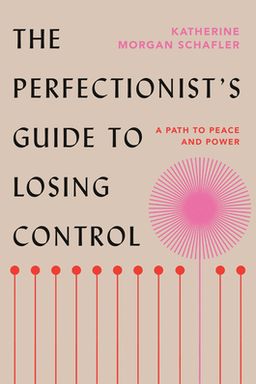
What if the trait you've been taught to fear is actually your strongest source of meaning? In The Perfectionist’s Guide to Losing Control, therapist Katherine Morgan Schafler radically redefines perfectionism not as a psychological flaw to fix, but as a form of inner power to harness. Her central argument is simple but transformative: perfectionism isn’t a disease; it’s a drive that can either destroy or propel you, depending on how you steward it.
This book is about turning that double-edged energy into a creative force for good. Through a mix of psychology, feminism, and therapy-grounded storytelling, Schafler invites you to trade shame for stewardship—to treat your impossible standards as evidence of longing for meaning, not proof of pathology. She explores how culture distorts perfectionism, how different types of perfectionists express it, and how compassion, intuition, and connection can restore your vitality when your drive becomes self-punishing.
The Power, Not the Problem
Most self-help books tell perfectionists to relax or lower their standards; Schafler sees that advice as useless. Her premise: perfectionism is a form of striving that originates from love—for beauty, for meaning, for contribution. Adaptive perfectionism fuels excellence and fulfillment; maladaptive perfectionism collapses into shame and paralysis. The goal is not balance but integration—to learn when to pursue control and when to claim power. Power comes from alignment with your values and self-worth; control reduces you to fear and micromanagement.
Research by Drs. Joachim Stoeber and Kathleen Otto supports this view: adaptive perfectionists thrive in flow states and show higher self-regard. Schafler adds a spiritual dimension—perfectionists often prefer eudaemonic well-being (meaningful striving) to fleeting comfort. Your hunger for excellence isn’t a curse; it’s evidence of wanting to matter.
The Five Types of Perfectionists
To make the abstract personal, Schafler introduces five perfectionist archetypes: the Classic (organized stabilizer), Parisian (connection-seeker), Procrastinator (planner who fears starting), Messy (creative idea engine), and Intense (driver for transformation). Each type has a gift and a risk. Claire the Classic is dependable but rigid; Lauren the Parisian loves connection but fears rejection; Layla the Procrastinator plans forever; Pei-Han the Messy thrives on novelty but burns out; Dawn the Intense breaks barriers but can hurt relationships. Recognizing your type builds empathy for your patterns and helps you recruit complementary allies.
Cultural Pathology and Feminine Ambition
Schafler’s feminist argument runs through the book: women’s perfectionism has been pathologized because culture rewards control only when it maintains femininity. A man like Gordon Ramsay gets framed as a genius for his drive; a woman with similar standards is dismissed as "difficult." The cultural obsession with women’s “balance” hides an attempt to domesticate ambition. When you resist that framing, you reclaim perfectionism as power, not proof of overreach. The book urges women to stop apologizing for wanting more.
Transformation Through Compassion and Presence
Across every story—from Ava’s relapse nights to Alicia’s sleep sessions—Schafler shows that perfectionism heals not through suppression but through self-compassion. Punishment is the perfectionist’s false medicine; compassion is the true cure. Shifting from “What’s wrong with me?” to “What do I need right now?” activates the broaden-and-build effect, expanding your capacity to restore rather than retract. This compassion, combined with presence, allows you to honor process over outcomes—to “fail forward” and celebrate progress instead of chasing unreachable ends.
Ultimately, Schafler’s philosophy moves from awareness to agency. You learn to manage energy rather than time, to trust instincts over fleeting moods, to open to restorative connection, and to reclaim pleasure as a valid dimension of strength. When you stop suppressing your perfectionism and instead channel it through clarity, compassion, and care, you become what the author calls a whole perfectionist: someone who uses striving as artful devotion to what truly matters.
Essential insight
“Perfectionism is not a flaw to cure but a force to harness. When paired with self-compassion and trust, it becomes your most powerful expression of love in motion.”