
Idea 1
The Democratization of Medicine
The Democratization of Medicine
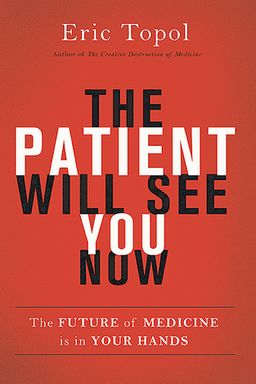
Imagine medicine no longer controlled primarily by institutions and experts but by you—the individual equipped with powerful digital tools. Eric Topol argues that technology is transforming health care into a democratized, personalized, and participatory system. Smartphones, sensors, genomics, and cloud analytics—the so-called “Gutenberg Revolution of Medicine”—are dismantling the doctor‑first hierarchy and putting patients at the center.
From Paternalism to Empowerment
For centuries, the medical profession operated under paternalism: physicians concealed information and unilaterally decided what patients should know. The Hippocratic tradition and the AMA’s early codes embodied this secrecy. Topol frames technology as the antidote. The smartphone becomes your health console, giving you direct control over notes, images, and data. OpenNotes and similar transparency efforts demonstrate how access revolutionizes trust and behavior—patients understand more and adhere better when they can see their charts.
Smartphones as the New Medical Hub
The linchpin of this democratization is the smartphone. It connects sensors, cloud data, and software analytics into a portable clinic. Topol recounts stories of in‑flight diagnoses transmitted from phones—heart attacks confirmed, fainting assessed by ultrasound attachments. Cheap sensors (some costing just cents) enable continuous monitoring of heart rhythm, glucose, oxygen, and more. The phone not only displays data; increasingly, algorithmic analysis happens within it. (Note: this parallels how the printing press decentralized literature—the phone decentralizes medical knowledge.)
Data Ownership and Ethical Rebalancing
Topol’s argument extends beyond gadgets to ethics. You should own and control your data—from genomic files to lab results—rather than entrusting them entirely to institutions. The shift demands new rules for privacy, consent, and transparency, especially as commercial forces (insurers, data brokers, device firms) covet health information. The legal frameworks, such as HIPAA and GINA, remain partial, leaving gaps around life or disability insurance discrimination and genomic data resale.
From Individual to Collective Intelligence
Finally, democratization is collective. Patients share de‑identified health data through “MOOMs”—massive open online medicine—enabling collaborative discoveries. Projects like PatientsLikeMe, CancerLinQ, and the Global Alliance for Genomics and Health embody the idea that distributed data improves diagnosis and accelerates cures. The MOOC analogy becomes a model for global medical learning and research. Yet openness requires governance: preventing misuse, ensuring consent, and balancing scientific progress with individual rights.
The Core Claim
Technology is not merely advancing medicine—it is redistributing its power. Every scan, sensor, and sequence pushes the balance from hierarchical systems to individual autonomy. When you carry a miniature clinic and research lab in your pocket, the doctor still matters—but the data starts with you.
This new ecosystem—between technological empowerment, ethical safeguards, and open collaboration—is Topol’s vision for how medicine becomes truly personalized and participatory. You are no longer a subject of care but the active owner of your biological story.