
Idea 1
Transforming Relationships Through the Enneagram
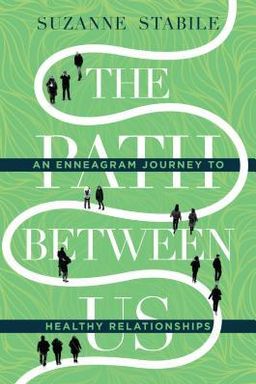
How well do you really know the people closest to you? You might be surprised to learn that despite years of shared experiences, many of our misunderstandings, resentments, and disappointments in relationships stem not from what we do, but from why we do it. In The Path Between Us Study Guide, Suzanne Stabile invites you to explore the Enneagram as a map for relational healing and growth—a guide to understanding the motivations, fears, and gifts that shape how we connect with others.
Stabile’s core argument is simple yet transformative: our Enneagram number doesn’t just explain who we are; it clarifies how we show up in relationships. The very traits that drive us—our perfectionism, helpfulness, ambition, emotional sensitivity, intellectual independence—can either strengthen or sabotage our connections depending on our level of self-awareness. Her premise, drawn from decades as an Enneagram teacher (and grounded in Christian spiritual formation), is that self-understanding leads naturally to compassion—both for ourselves and for others.
Understanding the Spiritual Journey of Relationship
The book builds on the foundation Stabile laid in The Path Between Us and The Road Back to You, but the study guide goes further by helping readers practice relational awareness in community. Rather than just labeling types, Stabile structures this guide around six sessions that each examine a relational theme: who we are, what we want, what we fear, what we offer, how we forgive, and how we help others grow. The goal isn’t to memorize traits—it’s to transform relationships through empathy and intentionality.
She introduces a spiritual dimension often missing from typical personality discussions. Drawing from InterVarsity Press’s Formatio tradition—a lineage that emphasizes transformation over information—Stabile connects the Enneagram to Christian ideas of grace, forgiveness, and renewal. You are invited not only to change your behavior but to participate in God’s ongoing process of spiritual formation—the gradual shaping of your heart and habits toward love.
Why Relationships Need This Wisdom
Human relationships, Stabile reminds us, are inherently messy. Good intentions can still lead to pain when our personality patterns dominate. For example, Ones want to make the world better but may become judgmental; Twos want to help but overextend; Threes pursue success but lose authenticity; Fours crave depth but pull away; Fives value independence but isolate; Sixes seek safety but worry excessively; Sevens chase excitement but avoid hard feelings; Eights protect others but intimidate; and Nines maintain peace but withdraw into passivity.
Understanding these patterns helps you recognize the shared humanity beneath them all: every person wants belonging and meaning, yet our unique motivations color how we pursue those desires. This insight reframes not only how you interpret conflict but also how you forgive and love across differences. (Stabile’s approach echoes Brené Brown’s research on vulnerability—authentic connection requires naming our fears and weaknesses rather than denying them.)
A Journey of Compassionate Observation
Throughout the study, Stabile encourages two crucial disciplines: self-observation and allowing. You learn to watch yourself without judgment, noticing the habitual motives that drive your behavior. This practice mirrors mindfulness approaches, but Stabile frames it spiritually—as learning to see yourself through the lens of grace rather than criticism. In community, this nonjudgmental awareness transforms conversations: instead of diagnosing others’ flaws, you start asking curious questions that open space for mutual understanding.
Whether you study alone or in a group, you’ll explore relational scenarios that make the learning tangible. Stabile’s examples like Jane the blunt medical resident, Harry the generous but overworked helper, and Tinesha the introverted intellectual capture how motivation—not action—determines our harmony with others. These stories encourage you to look past surface behaviors and ask, “What’s driving me right now?”
From Insight to Practice
By weaving together theology, psychology, and personal anecdotes, Stabile transforms a typology tool into a relational compass. She ties every insight to practical exercises—reflecting on past hurts, naming expectations, identifying fears, recognizing gifts, and practicing forgiveness. Each session invites you to shift from mere awareness to concrete change, moving from emotional reaction to thoughtful response.
Key Message
“You can never change how you see,” Stabile says, “but you can change what you do with how you see.” The Enneagram doesn’t fix people—it frees them to love with awareness. When you understand your patterns and those of others, compassion naturally follows. And compassion, in Stabile’s view, is the path between us.
Ultimately, this study guide offers a structured yet heartfelt approach to improving every relationship in your life—from family to friends to colleagues. It reminds you that personal transformation isn’t just an inward journey; it’s a relational mission. Through the Enneagram’s lens, you learn to engage others not as obstacles to your growth but as partners on the same path—each carrying their own motivations, fears, and gifts. In doing so, Stabile not only teaches the Enneagram—she redefines it as a spiritual language of empathy.