
Idea 1
Raising Unspoiled Kids in a Wealth-Obsessed World
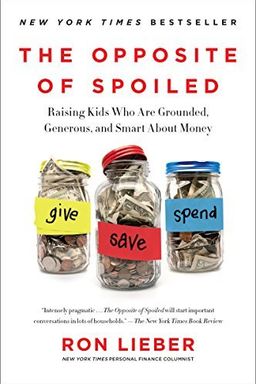
What do you truly want your children to understand about money—the numbers, the rules, or the values behind it? In The Opposite of Spoiled, Ron Lieber argues that raising financially literate children isn’t about teaching them to count dollars but about helping them develop character traits—like generosity, patience, thrift, gratitude, and perspective—that will shape how they manage money and life. His core claim is simple but profound: every conversation about money is also a conversation about values.
Lieber contends that our silence around money—the taboo we inherit from earlier generations—deprives kids of one of the most important learning opportunities in their lives. Children are naturally curious about money, asking questions like “Are we rich?” or “Can we buy that homeless man an apartment?” These aren’t just financial queries—they’re moral ones. Lieber believes that instead of avoiding these questions, parents should use them to teach empathy, ethics, and responsibility.
Why Money Conversations Matter
Lieber begins by confronting a modern paradox: parents want to protect their kids from the anxiety that money discussions can provoke, but this silence leaves them ignorant and vulnerable. He calls this avoidance “institutional adultism”—our tendency to assume kids aren’t ready to understand money when they actually crave transparency. He argues that children notice affluence and inequality from a young age; by avoiding the topic, parents unintentionally create shame or confusion, breeding misconceptions that shape their future relationships with money.
The Core Philosophy
Lieber defines spoiled children as those who lack responsibility, rules, and perspective, often given material goods without chores or limits. But he notes that being “spoiled” isn’t about how much money parents have—it’s about failing to instill values. By contrast, the “opposite of spoiled” child knows how to earn, save, spend, and give with purpose. Lieber’s mission is to provide a roadmap for cultivating that wisdom through everyday family life, using money as a teaching tool to build character rather than indulgence.
What You’ll Learn from This Book
Lieber walks you through practical ways to start money conversations at every age. You’ll learn how to introduce allowance not as payment for chores but as a tool for teaching patience and self-control. You’ll discover how spending and giving choices reveal deeper values. Chapters delve into helping kids avoid materialism, cultivate gratitude, appreciate luck, and understand privilege. Lieber also explores how families can handle disagreements over money, model financial modesty, and instill work ethics through real responsibility.
Why This Matters Today
In a culture of rapid consumerism and social comparison, where children see luxury lifestyles online before they can even calculate change, Lieber’s argument carries urgency. He draws connections to research from behavioral economics, psychology, and moral education (noting thinkers like William Damon on adolescent privilege and Carol Dweck on growth mindset). He warns that our economy pushes adults toward insecurity and debt—and kids will inherit this environment unless we equip them early with clarity, discipline, and empathy.
Lieber’s Central Insight
Money is not just about income and possessions—it’s a lens through which children learn what truly matters. How you talk about money, spend it, and share it shapes the moral fabric of your family. Teach money well, and you teach character.
That’s why The Opposite of Spoiled matters: it’s not simply financial advice—it’s a philosophy of parenting for the modern world. It invites you to turn every allowance dollar, shopping trip, and family conversation into a small act of teaching generosity, gratitude, and perspective.