
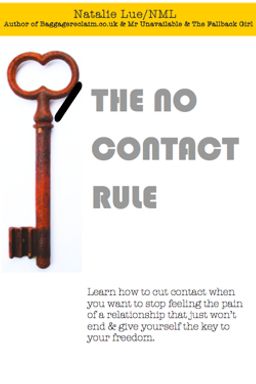
The No Contact Rule cover

The No Contact Rule

by Natalie Lue

The No Contact Rule by Natalie Lue is your essential guide to navigating the emotional turmoil of breakups. Learn how to detach from toxic relationships, establish firm boundaries, and focus on self-discovery and healing. With clear strategies and insights, this book helps you reclaim your self-worth and build healthier future relationships.

Reclaiming Yourself Through the No Contact Rule

Have you ever felt trapped in a relationship that seems to define your emotions, your thoughts, and even your sense of self? In The No Contact Rule, author Natalie Lue argues that the only way to truly heal from emotionally unhealthy relationships—and especially from the cycle of chasing, waiting, and hurting—is by cutting off all contact. Lue contends that no contact isn’t a punishment or a power play. It’s a declaration of self-respect and a critical process of reclaiming your own emotional autonomy.

The book is a comprehensive manual for people attempting to sever ties with unfulfilling, manipulative, or painful relationships. Lue guides readers through the emotional labyrinth of breakups—from the initial confusion to grief, temptation, and eventual recovery—while revealing how “no contact” becomes the turning point toward emotional health. She doesn’t present NC as a cold withdrawal; it’s framed as an act of love for yourself, a method for interrupting destructive patterns, and a chance to build personal power where once there was dependence and fear.

Why We Struggle to Let Go

At its core, Lue’s approach explains why so many people remain tethered to unhealthy attachments even after knowing they should leave. Modern technology means our exes can text, email, or stalk our profiles with minimal effort. These “lazy communication methods,” she says, are the modern plague of the breakup era—keeping emotional doors open through crumbs of attention that trick us into believing connection still exists. The fear of finality, of being forgotten, or missing the “what if they change?” moment drives us to stay in the pain cycle rather than face the discomfort of true loss.

Through this lens, the No Contact Rule becomes less about them and entirely about you. Each unanswered text, each avoided call isn’t revenge—it’s reinforcement of new boundaries. It teaches both you and them that there are consequences to emotional neglect and manipulation. The goal, Lue insists, is to stop living life as an option for someone who isn’t truly available and to live as your own priority instead.

The Emotional Detox

Lue breaks down the NC process as an emotional detox: you cut the drip feed of validation and chaos that has sustained your attachment. Like detoxing from a substance, withdrawal hurts, and it comes with cravings—panic, guilt, nostalgia, and shame. But as these feelings surface, NC forces you to meet yourself for the first time unfiltered by someone else’s dysfunction. The end result isn’t just being “over” your ex; it’s rediscovering autonomy, dignity, and the capacity for real love built on equality rather than addiction.

Readers learn to navigate the grief stages of NC: denial, anger, bargaining, depression, and acceptance. Each stage uncovers lessons about fear, boundaries, and identity. For instance, anger becomes valuable—it reveals where boundaries were ignored. Depression exposes the ways you turned unexpressed anger inward. Acceptance isn’t bliss; it’s peace earned through resilience and clarity.

Boundaries and Self-Preservation

Lue’s central philosophy borrows from psychology and recovery frameworks: no contact is about boundaries. When communication becomes a means to test your limits, every ignored call asserts your right to emotional safety. In breaking contact, you shift power back to where it belongs—yourself. “When there are power issues,” Lue writes, “it’s never a good thing for a relationship or your sense of self.” The only power you should be concerned with is the authority to act in your best interests.

Her insistence that “self-preservation is invaluable” reminds readers that maintaining distance gives perspective. It’s not avoidance—it’s protection from humiliation and depletion. The book distinguishes between physical and mental contact: even if you stop texting, you may remain emotionally involved by obsessing, checking social media, or fantasizing. True NC, she stresses, means cutting off mental communication as well. You must redirect focus to rebuilding your “power base”—your inner self, your boundaries, and a life of meaning outside the relationship.

Facing Modern Relationship Traps

Lue’s insights are especially relevant in today’s dating culture of instant messages and casual connections. She calls out the false intimacy of “lazy access” as a trap where emotional unavailability thrives. Modern relationships often blur the end of romantic bonds through “casual breakups” and “pseudo-friendships” that prolong pain. NC counters this by restoring dignity to endings—it gives grief structure and purpose.

Her writing is both empathetic and direct, echoing other relationship psychology authors like Susan Forward (Emotional Blackmail) and Pia Mellody (Facing Love Addiction) in explaining how fear of abandonment shapes destructive patterns. Yet Lue’s tone is distinctly conversational—like a tough-love friend reminding you that pain isn’t punishment, and boundaries aren’t cruelty.

The Journey From Pain to Self-Love

Ultimately, The No Contact Rule is less a breakup guide and more a manual for emotional liberation. Over its pages, Lue moves readers from the chaotic rush of heartache to a grounded sense of self through tangible strategies: journaling feelings, setting behavioral limits, refusing nostalgic hooks, and rebuilding a life of purpose. The book’s recurring message is clear—what you deserve isn’t contact, reconciliation, or closure from another person; it’s authentic peace within yourself.

“No contact isn’t punishment. It’s self-respect made visible.” — Natalie Lue

The book’s power lies in how it transforms something that feels cruel—silence—into the most compassionate act toward oneself. Whether you’re leaving behind a narcissist, a manipulative partner, or your own cycles of self-abandonment, Lue’s message rings out like a mantra: you cannot heal while touching the wound. The No Contact Rule isn’t running away; it’s walking toward the person you’ve always been meant to become.


The Bait and Switch Trap

Natalie Lue devotes entire sections to the psychological games that occur after a breakup, particularly what she calls the bait and switch. It’s the maddening dynamic where your ex alternates between chasing and avoiding you, making you feel simultaneously wanted and rejected. She illustrates how this pattern keeps many people stuck in perpetual pain—because every text or silence from your partner feels like both proof of interest and rejection at once.

How Victims Get Hooked

In this cycle, your ex initially hard-sells their desire for you—calling, texting, showing up unexpectedly, or begging for another chance. Once you start responding out of nostalgia, guilt, or pity, they sense power restored and retreat emotionally again. You end up confused and heartbroken, wondering why your small act of compassion flips the switch from pursuit to withdrawal. Lue compares it to chasing a mirage: the closer you get, the faster it dissipates.

What makes the bait and switch so powerful is that it replays the entire dysfunctional dynamic of the relationship. When you ignore them, they chase. When you respond, they back away. The mind interprets this unpredictability as chemistry, when it’s actually trauma bonding. Each new “switch” forces you to re-enter emotional chaos until, eventually, your ex believes you’re the one doing all the pursuing.

Regaining Control Through No Contact

The only release, according to Lue, is steady boundaries. No Contact works here because it eliminates the cues your ex relies on to keep the game alive. When you don’t respond—neither to chasing nor withdrawal—they have to face their own discomfort rather than transferring it to you. Silence becomes self-preservation and a mirror that reflects accountability back on them.

She reminds readers that the power dynamic you fear losing is fictional—it’s built on emotional manipulation. “If you’re still worrying about who has the upper hand,” she writes, “that’s a code red alert.” The focus must shift away from control toward self-respect. Power, in her vocabulary, is the ability to act in your own best interests, not to win or change someone else.

“Boundaries are the emotional backbone you need. Not to punish—but to protect.”

The bait and switch ends when the game can no longer function. NC doesn't attempt to outsmart the pattern—it dismantles the system entirely by refusing participation. You heal by focusing not on their reaction, but on your commitment to self-preservation and emotional independence. The reward is peace: not because your ex finally gets it, but because you finally do.


The Stages of NC Grief

One of Lue’s most compassionate contributions is her detailed mapping of the No Contact grief stages, which mirror Elisabeth Kübler-Ross’s stages of loss—but tailored to the emotional fallout of cutting contact with someone you loved. She shows that NC is not just about blocking communication; it’s about grieving a living loss.

Denial: “Maybe They’ll Change”

In the early days, denial feels like disbelief that it’s truly over. You may rationalize or minimize warning signs, hoping for “one last chance.” Lue warns that denial is a form of emotional self-protection that must be temporary—use it to stabilize yourself, not to justify reopening old wounds. She urges facing reality piece by piece until you can accept that what you wanted isn’t possible.

Anger: Valid Rage and Self-Discovery

Anger, she writes, is “the most misunderstood emotion.” Many repress it out of shame, fearing to look bitter. Yet anger signals violation—it means your boundaries were breached, your needs ignored. Writing unsent letters, screaming in a car, or journaling your fury converts raw emotion into perspective. “Feeling angry doesn’t mean your perceptions are permanent,” Lue explains. “It means your feelings are valid.”

Bargaining: The Fantasy of ‘If Only’

Bargaining is the emotional relapse stage—you imagine compromises, deals, or dramatic reconciliations that might erase regret. Some even break NC under the illusion that negotiation equals closure. Lue exposes this as ego-driven desperation: attempts to avoid grief by turning heartbreak into a homework assignment. Her antidote: make bargains with yourself, not with them—commit three months to focusing on your healing before revisiting any romantic thought.

Depression: Pain Turned Inward

Depression surfaces when denial and anger exhaust you. Here, sadness deepens into self-judgment: “Maybe I wasn’t enough.” Lue urges compassion, reminding readers they’re not broken—they’re human. Depression means feelings have caught up with reality; it’s your mind mourning the future that will never happen. This stage passes faster when you stop turning disappointment into personal defect.

Acceptance: Peace Without Answers

The final stage is not a fireworks moment but a quiet realization: life has moved on, and happiness is possible without them. Acceptance arrives silently—you notice you haven’t thought about your ex in weeks, or that their name doesn’t make your stomach drop. The absence of obsession becomes presence in your own life.

“Grief isn’t a punishment for loving. It’s proof that you tried.”

By viewing NC through the lens of grief, Lue gives permission to feel, not suppress. These stages don’t imprison you; they free you to metabolize loss and transform it into wisdom. Each time you cycle through the emotions, you come closer to self-acceptance—the kind that doesn’t depend on anyone’s validation but your own.


Breaking Codependency and Fear Patterns

In one of the book’s most psychologically rich sections, Lue explores how codependency and fear masquerade as love. When you’ve spent years confusing drama for passion or anxiety for affection, NC reveals the difference between emotional addiction and genuine intimacy.

Fear Is Not Love

According to Lue, many people “love through fear”—where pain equals proof of devotion. She calls this resisting as persisting: we cling harder to people and patterns that scare us, believing discomfort means depth. This habit originates in childhood conditioning and unhealthy role models. The familiar fear feels safer than the unfamiliar peace that comes with letting go.

She dismantles common illusions: great sex is not destiny; emotional chaos isn’t passion; and suffering doesn’t prove love. “Pain is not love—it’s pain,” she declares. This clarity releases readers from addictive loops tied to unavailability, rejection, and constant drama.

Codependency as Emotional Hunger

One hallmark of emotional unavailability is codependence—the inability to function or feel identity without someone else’s attention. Lue compares it to living off crumbs and feeling grateful for slivers of affection. When you depend on another person to validate your worth, your self-esteem becomes collateral damage. “The very person who is the source of your pain,” she observes, “becomes the source of your imagined happiness.”

No Contact interrupts this pattern by forcing self-reliance. You must feed yourself emotionally—from hobbies, friendships, small daily acts of self-respect. Over time, your craving subsides because you begin generating your own nourishment. Think of NC not as starvation but as learning to cook for yourself for the first time.

Facing the Familiar Uncomfortable

Lue’s phrase “familiar uncomfortable” captures the psychological core of relapse. People mistake fear-driven excitement for chemistry and keep returning to partners who feel familiar in their dysfunction. NC replaces that false comfort with short-term discomfort that leads to lasting peace. The unfamiliar unknown—solitude, independence, stillness—becomes a new comfort zone when you stick with it long enough.

“Fear means what you’re afraid of isn’t happening—yet you act as if it is.”

Through NC, readers learn that true love never requires fear, chasing, or emotional contortion. Boundaries replace bargains; calm replaces chaos. It’s an act of courage—choosing reality over fantasy, peace over trauma, and ultimately, yourself over fear.


Rebuilding a Life with Meaning

Once emotional detox begins, Natalie Lue shifts focus from healing the past to rebuilding the future. This phase of reconstruction is where NC transforms into empowerment. The question becomes: what kind of life do you build now that it's no longer centered around a partner’s validation?

Creating Purpose Beyond Relationships

Lue urges readers to step into their own lives with intention. “How much of your time,” she asks, “have you spent waiting for their call?” A breakup creates empty space—but that space is fertile ground for rediscovery. She encourages filling it with hobbies, friends, volunteering, career goals, and authentic interests. It’s not about distraction—it’s about reintegration.

Self-Validation as a Practice

Instead of chasing approval, cultivate what she calls self-validation rituals. Journaling, affirmations, setting mini-goals, even tackling fear of solitude. When you become the source of your own confidence, you stop outsourcing worth to others. She likens it to building a “powerbase”—the foundation of love, care, trust, and respect for yourself. Once that’s established, you naturally attract relationships that reflect your healthier self-image.

Building New Social Habits

She advocates for reconnecting with friends and family, or using platforms like Meetup.com to form new communities. This social reintegration heals isolation and reminds you that intimacy isn’t limited to romance. Consistency creates confidence—you realize you’re capable of forming mutually respectful bonds.

“Don’t let relationships eat up your good years. Create your own life with meaning.”

The underlying truth: happiness isn’t found in another person—it’s constructed through mindful choices. The freedom gained from NC isn’t just emotional relief; it’s possibility. Lue reframes solitude from emptiness into opportunity—your chance to build a life so meaningful that you’ll never want to shrink to fit into someone else’s again.


Falling Off the Wagon and Rising Again

Relapse is inevitable, and Lue treats it not as failure but feedback. She reassures readers: falling off the NC wagon doesn’t erase progress. It simply exposes lingering vulnerabilities—those emotional triggers that still need your attention.

Understanding Relapse

Falling off usually happens when exhaustion, nostalgia, or loneliness lower your defenses. Sometimes it’s triggered by external stress—another rejection, boredom, or fear of closure. When that single message or call happens, shame quickly follows. Lue reframes this moment: use it as data, not self-criticism. Ask: “What was I avoiding?” or “What did I need?”

She compares relapse to touching a hot stove—you instantly remember why you stopped before. Pain becomes reinforcement, not punishment. By documenting how it felt and what occurred, you reduce future susceptibility. Self-forgiveness turns mistakes into stepping-stones instead of setbacks.

Focusing on Recovery, Not Perfection

Lue rejects the idea of 'perfect' NC. Progress matters more than purity. Each attempt builds resilience, rewires habits, and strengthens boundaries. “You can make this as big or small as you want,” she writes—choose small. The quicker you recommit, the shorter the detour from healing.

“The fact that you broke contact doesn’t mean your efforts were wasted. They were training for the next success.”

Her strategies include blocking new avenues of communication, journaling what triggered the fall, reinforcing boundaries, and immediately resuming NC. Most importantly, stop catastrophizing—mistakes are moments, not moral verdicts. Each rebound reaffirms your capacity for healing and strengthens your trust in yourself.

In Lue’s framework, setbacks are sacred teachers. Each small recovery is an act of bravery—proof that transformation is possible even when imperfect. “You are human,” she reminds. “You love and want love, and sometimes you seek it from the wrong places.” NC teaches you not to stop loving, but to start loving yourself enough to keep going.

Dig Deeper

Get personalized prompts to apply these lessons to your life and deepen your understanding.

Go Deeper

Get the Full Experience

Download Insight Books for AI-powered reflections, quizzes, and more.