
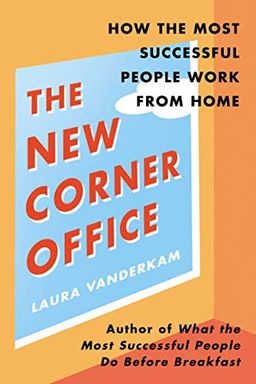
The New Corner Office cover

The New Corner Office

by Laura Vanderkam

The New Corner Office by Laura Vanderkam offers a masterclass in thriving while working remotely. Discover actionable strategies to boost productivity, maintain creativity, and nurture relationships-all from the comfort of your home office. Perfect for navigating the evolving landscape of remote work.

Thriving in the New Corner Office

Have you ever wondered why working from home can feel both freeing and frustrating? In The New Corner Office, productivity expert Laura Vanderkam explores how the abrupt global shift to remote work transformed not just where we work, but how we think about work itself. She argues that success in the “new corner office”—whether that corner is a kitchen table or a home studio—depends not on taking familiar office routines and moving them online, but on learning to innovate, not replicate. Vanderkam contends that remote work is not merely a logistical adjustment; it is an opportunity to rethink our time, focus, energy, and ambition in profound ways.

The book’s thesis is that great work is no longer defined by hours logged or desks occupied. In the new landscape, results replace time as the true measure of productivity. To thrive, you must learn to manage by tasks rather than time, to build a rhythm that fits your energy rather than the clock, to cultivate meaningful connections even from afar, and to align your career goals with personal well-being. Vanderkam draws from interviews with business leaders like Meredith Monday Schwartz of Here Comes the Guide, Amy Laski of Felicity PR, and podcast host Anne Bogel of Modern Mrs. Darcy—all of whom have discovered new principles for leading teams and crafting fulfilling work lives.

From Survival to Strategic Advantage

When COVID-19 forced millions to move from office buildings to home offices, people experimented in real time. Vanderkam observes how this crisis revealed something long overlooked: remote work isn’t a compromise—it can be a strategic advantage. Organizations saw productivity rise when employees were trusted to manage themselves. Workers discovered that with focus and flexibility, they could do better work without commuting hours each week. Yet, as Vanderkam warns, autonomy demands intention. Without clear boundaries and plans, remote workers risk drifting, overworking, or losing track of priorities.

The Architecture of Autonomy

Vanderkam opens with Meredith Monday Schwartz’s story—a CEO who measures success by results, not hours. Schwartz turned her company fully virtual by asking, “What is the result we’re looking for here?” rather than “Who’s sitting at their desk?” This question became her North Star. Vanderkam uses such examples to outline a blueprint for self-management: planning weeks on Fridays, creating short daily to-do lists, and defining what success looks like each day. Instead of replicating 9-to-5 habits, remote professionals must reimagine workflows based on outcomes, rhythms, and meaningful progress.

A New Definition of Productivity

Vanderkam’s decades studying time use reveal that productivity has often been mismeasured. Office cultures reward visibility—the illusion of diligence created by responding to emails instantly or sitting at a desk until 5 p.m. Remote workers can free themselves from this illusion by returning to what actually matters: task completion, creativity, and connection. As she reminds readers with humor, “Someone leaving for a thirty-minute walk may look unambitious, even though that walk enables a more productive afternoon than deleting emails for thirty minutes.” The book reframes work from a game of timing to a process of deliberate achievement.

The Five Cornerstones of the New Workstyle

Across five chapters, Vanderkam lays out a framework for mastering this new work world:

  • Manage by Task, Not Time — Define success through outcomes, create short achievable to-do lists, and use weekly planning rituals to focus your energy.
  • Get the Rhythm Right — Structure days around natural energy highs and lows; open and close each day with intentional rituals.
  • Build Your Team — Create virtual connections that feel real, strengthen trust without proximity, and curate support both professionally and personally.
  • Think Big — Sustain ambition through creative exercises like the “List of 100 Dreams,” and become a thought leader by turning expertise into influence.
  • Optimize Well-Being — Design a workspace and daily habits that sustain mental and physical health, ensuring energy fuels performance.

Why These Ideas Matter

Vanderkam’s insights resonate beyond remote work. The book asks a timeless question: how can we structure time to serve our goals instead of letting time control us? Her argument—rooted in behavioral research and lived examples—illustrates the shift from an obedience-based model of work to one of autonomy and intention. It equips readers not only to work effectively from home but to seize control of their lives. As Vanderkam writes, the new corner office isn’t about pajamas and Zoom calls; it’s about clarity, freedom, and purpose.

For anyone navigating hybrid schedules or reinventing their routines, Vanderkam provides both a compass and a map. You’ll learn to measure days not by hours spent, but by progress made. You’ll explore rhythms that align with your life instead of resisting it. And you’ll discover how remote work, done thoughtfully, can unlock your highest potential. It’s not about making do—it’s about making something extraordinary.


Manage by Task, Not Time

Laura Vanderkam begins her guide to modern work with a simple but revolutionary premise: productivity should be measured by output, not hours. This idea challenges decades of workplace culture built around the illusion that time equals achievement. Through the story of Meredith Monday Schwartz—the CEO who transformed her wedding business, Here Comes the Guide—Vanderkam shows what happens when leaders and individuals stop checking clocks and start checking results.

The Power of Results-Focused Work

Schwartz’s turning point came while caring for a puppy and three kids at home—she realized she was getting more done in fewer hours. By shifting her company to remote work and focusing on clear tasks, not time spent, Schwartz built a culture where employees report daily accomplishments instead of filling time. Vanderkam highlights this model as transformative: workers become more self-directed, creativity grows, and turnover nearly disappears. Hours become irrelevant when purpose drives progress.

Planning on Fridays: A New Weekly Ritual

Most people plan reactively—on Monday mornings amid chaos. Vanderkam flips this on its head. Her Friday planning ritual encourages you to step back at week’s end and define what success looks like for the next one. She suggests picking three categories: career, relationships, self. By deciding what matters in advance, you start Monday clear and confident. As she puts it, “Don’t plan Monday during the Monday morning crush.” Planning Fridays builds rhythm, reinforces autonomy, and prevents time from slipping away unnoticed.

Make Your To-Do List a Contract

Anne Bogel, host of the popular What Should I Read Next? podcast, offers a metaphor that Vanderkam loves: imagine your daily priorities as three seats on a Ferris wheel. You can focus on only a few at a time, but the wheel keeps turning—you’ll get to everything eventually. Vanderkam encourages short, actionable lists of three to five items that you can truly accomplish. Long lists are wish lists, not to-do lists. Finishing what you promise builds trust in yourself and gives you the satisfaction of progress—the "power of small wins" identified by Harvard researchers Teresa Amabile and Steven Kramer.

Redesign Meetings and Urgency

Managing by tasks means redefining collaboration. Vanderkam critiques the tradition of default hour-long meetings set by arbitrary calendars. She advises replacing them with focused, agenda-driven check-ins that end when goals are met. Teams like Amy Laski’s PR firm Felicity thrive on “just call commitments”—unwritten permission to replace time-consuming Zoom sessions with quick phone calls. Similarly, she teaches readers to rethink urgency; not every email deserves instant replies. True professionals set deliberate rhythms that protect deep thinking.

The Mindset Shift

Ultimately, managing by task means treating people like adults. Vanderkam contrasts micromanagement with trust. Monitoring hours breeds deception; measuring outcomes fosters growth. As James Hickey of Spearhead Capital says, “Being able to work independently is a life skill.” By managing yourself this way, you gain permission to finish early, rest without guilt, and focus on what truly moves your goals forward. Done well, this system turns every day into a series of meaningful checkpoints, not a marathon of meaningless hours.

“When you manage by task, not time,” Vanderkam reminds us, “you haven’t just put in hours—you’ve put in a good day.”


Get the Rhythm Right

Vanderkam argues that successful remote work depends not only on what you do, but when you do it. In Get the Rhythm Right, she explores how energy—not time—should drive your daily schedule. Borrowing inspiration from monastic rituals and modern neuroscience, she encourages readers to design a rhythm that fits their natural peaks and valleys of focus.

Opening and Closing Your Day

Without a commute, many remote workers lose the boundary between “home” and “work.” Vanderkam recommends creating intentional rituals—a “fake commute” such as a walk, a mindfulness routine, or even a designated playlist—to mark the start of the workday. Similarly, closing rituals signal that work is done: reviewing your to-done list, shutting down the laptop, or, like Matt Altmix of How to Money, switching activities at 4:30 P.M. with his time-tracking app. These bookends bring structure and sanity to self-directed work.

Match Work to Energy

Most people’s cognitive energy peaks in the morning. Vanderkam suggests reserving your most challenging tasks—creative writing, problem-solving, or decision-making—for these hours. Afternoons can be ideal for administrative work, calls, or meetings. For night owls like some of her interviewees, evenings may spark creative energy instead. Understanding your natural rhythm helps you work with yourself, not against yourself.

Fighting Distractions and Taking Breaks

Distractions don’t vanish when you work remotely—they just change shape. Vanderkam’s advice: keep a “Later List” for stray thoughts and resist email checking during deep focus. She advocates techniques like the Pomodoro (25-minute sprints) or Kaelyn Lopez’s “timer pact”—setting a timer as a promise to stay focused. Breaks are essential, not indulgent. Real breaks—walks, yoga, or short chats—restore focus better than mindless scrolling.

Design an Ideal Daily Flow

Vanderkam offers vivid sample schedules—a writer who works in two-hour bursts with social and physical breaks, or a manager who designs energy-realistic afternoons of meetings bracketed by rejuvenating activities. She likens flexibility to an “energy microburst” (a term borrowed from sports scientists Janeta Nikolovski and Jack Groppel). By treating work like an athlete approaches training—structured yet rhythmic—you sustain momentum long-term.

Creating Space for Overflow

Her signature tactic is keeping Fridays or at least a few hours open each day as a “time emergency fund.” This buffer absorbs crises or unfinished work without throwing your week into chaos. As she explains, “Stuff always comes up. Self-directed professionals keep their deadlines even when life happens.” By ending each day intentionally and leaving room for flexibility, you create consistency without rigidity—the hallmark of productive rhythm.


Build Your Team

Remote work, Vanderkam insists, isn’t solitary—it’s simply different teamwork. In Build Your Team, she explores how virtual leaders cultivate trust, connection, and culture even when colleagues are far apart. From Zoom happy hours to deliberate curiosity conversations, the best remote teams build deep relationships through intention, not proximity.

Re-Creating Connection

The cliché of “Zoom fatigue” hides a deeper truth: connection still matters. Vanderkam describes how teams like Amy Laski’s PR firm Felicity or Maria LeBlanc’s fundraising teams use video calls creatively—starting meetings with scheduled chitchat or theme-based events like book clubs or home office tours. These small moments humanize virtual work and nurture empathy. She calls these sessions “the new water cooler.”

Expanding Networks Beyond the Office

Traditional offices limit relationships to those within the same walls. Working from home broadens your network. Vanderkam borrows from producer Brian Grazer’s method of “curiosity conversations”—casual meetups with interesting people—to urge readers to reach out daily to new contacts. One authentic message or coffee call can spark long-term collaboration. This discipline of outreach turns isolation into connection.

Mindful Hiring and Home Support

When it comes to hiring for remote teams, Vanderkam highlights traits like self-discipline and proactivity. Schwartz seeks people “harder on themselves than I would ever be.” Leaders nurture newcomers through intentional onboarding—Arran Stewart of Job.com hosts first-day virtual meet-and-greets to reduce isolation. Just as vital, Vanderkam reminds readers to build a “home team”: childcare, household help, and supportive partners. A functioning home team stabilizes your professional success.

“Fundamentally, people are a good use of time,” Vanderkam concludes. Even in your new corner office, human connection is the core engine of progress.


Think Big

One danger of remote work, Vanderkam warns, is thinking small—treating flexibility as retreat instead of expansion. In Think Big, she reclaims ambition as a skill and offers tools to help you shape your long-term dreams. Working from home doesn’t mean shrinking your career; it means building it on your terms.

The List of 100 Dreams

Career coach Caroline Ceniza-Levine inspired Vanderkam’s favorite exercise: the “List of 100 Dreams.” This unfiltered bucket list of everything you want to do—personally and professionally—forces you beyond obvious goals into authentic desires. Whether it’s visiting Perth, writing sonnets, or founding a mentoring program, this list sparks imagination and helps set annual priorities. As Vanderkam says, naming dreams makes you notice opportunities to achieve them.

Design a Realistic Ideal Week

Thinking big also requires thinking realistically. Vanderkam’s “realistic ideal week” exercise asks you to imagine a perfect schedule within real constraints—when you’d work, exercise, unwind. Experiments like flexible hours or morning workouts help test what sustainability feels like. These small adjustments create alignment between ambition and rhythm—what she calls “engineering possibility.”

Building Influence

To control your hours, build your leverage. Vanderkam echoes Dorie Clark’s Stand Out: the best way to protect your career is to become a thought leader. Share your ideas widely—through blogs, newsletters, or presentations. Cultivate a brand that showcases your strengths. NASA astrophysicist Dominic Benford’s daily tie-knot streak during Zoom meetings became his trademark, demonstrating how visual authenticity can build recognition even online.

Experiment, Pivot, and Say Yes

Vanderkam urges professionals to try speculative projects—podcasts, articles, challenges—like her own story of founding the Best of Both Worlds podcast during a writing retreat. Serendipity can be engineered through consistent action. Thinking big means saying “yes” to excitement and “no” to low-value commitments. It also means preparing for pivots—financially, emotionally, and strategically—so growth never feels risky.

In essence, thinking big from the corner of your house means moving beyond survival toward deliberate expansion. Remote work can be your empire’s launch pad—not its boundary.


Optimize Well-Being

In her final chapter, Vanderkam reminds readers that productivity without well-being inevitably collapses. Remote work, she shows, can actually make you healthier—if designed intentionally. Flexible workers report higher happiness, fewer sick days, and more energy. The secret is treating your workspace and body as systems that fuel your success.

Create a Comfort Zone

Your workspace should make work feel good. Vanderkam shares how months of sitting on the floor after a move nearly broke her back—until she invested in a proper desk, chair, and natural light. She encourages readers to control temperature, clutter, and aesthetics. Burn a candle, use noise-canceling headphones, paint the walls your favorite color—whatever helps you feel grounded.

Invest in Tools and Movement

Don’t skimp on tools that make work easier. Vanderkam champions “good pens” and a second monitor as forms of self-respect. For physical well-being, she suggests resistance bands and short exercise bursts—micro workouts that build strength without equipment. Pamela Hernandez, a trainer she interviews, recommends keeping weights nearby for one-minute movements between calls.

Eat, Rest, and Restore Energy

With no commute, you can cook healthier meals, nap when needed, and exchange exhaustion for vitality. Vanderkam advocates simple nutrition—leftovers, salads, stir-fries—and encourages daily “micro-adventures”: small activities that refresh life and memory, from trail walks to virtual museum visits. These new experiences make time feel richer and more expansive.

Embrace Integration, Not Separation

Finally, Vanderkam invites readers to blur the traditional line between work and life. Let children see your work; take walks at midday; share lunch with a spouse who also works remotely. Integration doesn’t mean chaos—it means harmony. It’s the true gift of the new corner office: freedom to move fluidly between what matters most.

“A sense of abundance,” Vanderkam writes, “allows us to see possibilities.” When your work and life reinforce each other, you don’t just succeed—you flourish.

Dig Deeper

Get personalized prompts to apply these lessons to your life and deepen your understanding.

Go Deeper

Get the Full Experience

Download Insight Books for AI-powered reflections, quizzes, and more.