
Idea 1
Espionage, Diplomacy, and Power in Tehran 1943
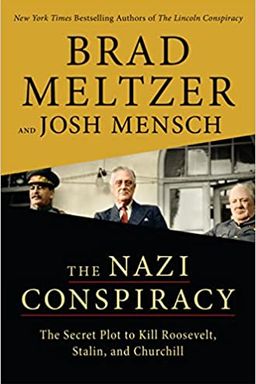
How do espionage networks, diplomatic maneuvering, and battlefield shifts converge to shape world history? In Tehran 1943, the story unfolds across intrigue-filled missions, desperate intelligence contests, and a single summit that redefined Allied strategy. The book argues that the Tehran Conference was not just a meeting of Roosevelt, Churchill, and Stalin—it was the culmination of overlapping secret operations, moral reckonings, and high-stakes decisions that changed the war’s trajectory.
You begin in a landscape of global tension: by mid-1943, Nazi Germany still controls much of Europe, Japan remains entrenched in the Pacific, and the Soviet Union bears the brunt of the fighting. Tehran becomes a microcosm where espionage meets diplomacy. Around that axis swirl figures like Walter Schellenberg, the SD’s intelligence chief; Franz Mayr, the stranded Nazi agent in Iran; and Otto Skorzeny, the daring commando whose special operations transform Nazi tactics. On the Allied side, you encounter Roosevelt's Map Room with its codebreakers, the British DSO Persia unraveling spy networks, and Soviet NKVD agents conducting real-time counterintelligence.
The secret war beneath diplomacy
Espionage dominates Tehran’s prelude. Nazi operatives try to revive Iranian networks (Operation Franz), parachuting agents and equipment into the desert, while Allied intelligence systematically hunts them. Relationships—love affairs, betrayals, informants—decide outcomes more than weapons. Mayr's romance with Lili Sanjari, for instance, leads to his exposure when she confides in an undercover American, Robert Merrick. Each human weakness becomes a thread in the web of global strategy.
Meanwhile, Allied and Axis agencies race to exploit signals intelligence. The Germans’ Forschungsamt intercepts hints of Roosevelt’s secret planning, while American codebreakers decode Japanese naval messages and act on them—most famously by ordering the targeted strike on Admiral Isoroku Yamamoto. These cases show that every intercepted signal carries strategic and ethical consequences: immediate gain versus long-term secrecy.
The summit as performance and negotiation
Roosevelt, Churchill, and Stalin meet against the backdrop of spies and assassinations. The conference code-named Eureka reveals three men balancing ambition and suspicion. Roosevelt seeks unity and an early cross-Channel invasion (Overlord), Stalin demands relief for the Eastern Front, and Churchill argues for Mediterranean operations first. Roosevelt’s secret letters and attempts to meet Stalin privately show how personality and deception influence geopolitics.
At Tehran, security fears intensify. The NKVD warns that German parachutists have landed; U.S. Secret Service chief Mike Reilly organizes a dummy motorcade to protect the President. Soviet surveillance intercepts the supposed “Long Jump” plot, an alleged Nazi assassination plan against the Big Three. Whether real or inflated by propaganda, the episode highlights the fragility of trust in wartime intelligence.
War, morality, and aftermath
Parallel to these diplomatic dramas, Nazi atrocities escalate. From the bureaucratic planning at Wannsee to the mass murder of Operation Erntefest at Majdanek, the administrative machinery of genocide intensifies as Germany’s military fortunes wane. The Allies respond with declarations that lay foundations for postwar justice—including the promise of war crimes prosecution that leads to Nuremberg.
The Tehran agreements themselves deliver more than promises. They anchor Operation Overlord and accelerate preparations for D-Day, shift global momentum toward victory, and reinforce the Soviet-Western pact that will shape postwar Europe’s borders. Even the intelligence drama echoes later Cold War patterns: espionage, propaganda, and mistrust between nominal allies.
The book’s enduring claim
World history hinges not only on armies and treaties but on spies, messages, and decisions made in shadows. Tehran was where secrets and statesmanship collided—proving that intelligence can alter outcomes as powerfully as armies.
If you follow the book’s arc from covert networks to diplomatic negotiations, you see one central truth: espionage is inseparable from statecraft. The Tehran moment unites the invisible war with the visible one—and reminds you how fragile victory can be when it depends on trust between competing allies and the endurance of moral clarity amid deception.