
Idea 1
The Myths Behind Every Innovation
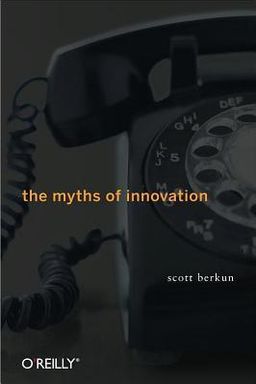
Why do we still believe creativity strikes like lightning? In The Myths of Innovation, Scott Berkun dismantles the comforting legends surrounding great ideas—showing that innovation is not divine inspiration, but deliberate, disciplined human work. He argues that most of what we believe about creativity—epiphanies, lone geniuses, perfect timing—is a set of myths that distort how real innovation happens. True innovation, Berkun insists, comes from persistence, observation, and the courage to act amid uncertainty.
Through lively storytelling, humor, and historical examples, Berkun challenges iconic narratives—from Newton’s apple to Archimedes’ bath—and reframes innovation as a messy, collective, iterative process. He blends psychology, history, and management insight to show that every breakthrough hides decades of small refinements, arguments, and rejections. His core message? Innovation is democratic: anyone willing to think critically, work persistently, and manage fear can contribute to progress.
Debunking the Epiphany Myth
Berkun opens with the classic myth of Isaac Newton’s apple. We love the image of a genius struck by revelation, but the real Newton spent decades studying physics before articulating gravity’s laws. Similarly, Archimedes’ “Eureka!” moment was preceded by intensive experimentation. The apple and the bath dramatize insight while obscuring the truth—that creativity emerges from immersion, curiosity, patience, and synthesis. As modern psychology confirms (such as in Mihaly Csikszentmihalyi’s research on flow), insight usually arrives after long incubation periods where the subconscious makes new connections.
Through these stories, Berkun explains that myths flourish because they simplify chaos into moral tales. Journalists and audiences crave narrative closure, so they erase the failures, partnerships, and years of tedium that precede breakthroughs. Yet by understanding how these myths distort reality, you can stop waiting for inspiration and instead build habits that make creativity routine.
Innovation as Cultural, Not Magical
Innovation doesn’t happen in a vacuum. Berkun reminds us that Newton, Gutenberg, and Edison thrived partly because their cultures, technologies, and economies were ready for them. Gutenberg’s printing press mattered because Europe was ripe for mass literacy and religious reform; Edison succeeded with electric light because urbanization and industry created demand for safe illumination. Innovation, then, is ecological—it depends on timing, networks, and adjacent inventions. As Berkun notes, everything “new” stands on the shoulders of something old.
That insight reframes creativity from personal brilliance to contextual coordination. It also frees you from perfectionism: understanding that progress builds cumulatively helps you focus on contribution over glory. Every problem you solve becomes a link in a longer historical chain, not an isolated miracle.
Work, Risk, and Persistence over Genius
As Berkun shows, almost every major innovation—whether it’s the lightbulb, the airplane, or the Internet—was preceded by countless failures and collective revisions. He likens creativity to cooking: ingredients already exist, but mastery lies in recombination and taste. Edison didn’t conjure electricity; he experimented relentlessly until a workable filament appeared. Tim Berners-Lee didn’t dream the World Wide Web in one sitting; he integrated decades of network research into a usable form. What separates innovators from dreamers, Berkun suggests, is stamina.
He warns that chasing glamour or “game-changing” ideas blinds you to the small, meaningful changes that truly transform industries. Progress rarely looks revolutionary in real time—it looks like steady experimentation, communication, and adjustment. The takeaway: cultivate resilience, curiosity, and execution, not perfection or epiphany.
Why Knowing These Myths Matters
By exposing these myths, Berkun empowers you to pursue innovation realistically. Believing in magic origins discourages action—it convinces you that you must wait for inspiration or possess innate genius. Understanding that great ideas evolve from effort gives you control. It means you can design your own experiments, manage your fears, and keep going despite rejection. It redefines creativity from a mystery to a skill.
Ultimately, The Myths of Innovation is both manifesto and method: demolishing legends while equipping you with practical frameworks. Its chapters explore the messy truth of progress—why the best ideas don’t always win, why timing and culture matter, and how to stay motivated when genius fades into grind. Every myth unmasked becomes a principle for thinking, working, and leading creatively in your own life.