
Idea 1
The Myth of Motivation and the Power of Process
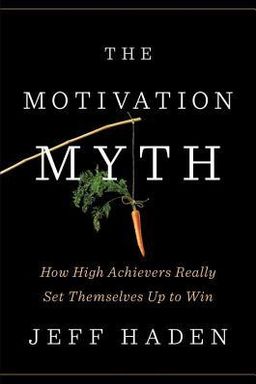
Have you ever waited for that perfect surge of inspiration—believing motivation must strike before you begin? In The Motivation Myth, Jeff Haden flips this idea on its head. He argues that motivation isn’t the spark that starts your journey—it’s the result of progress. You don’t get motivated and then take action; you take action, make progress, and that progress creates motivation. Through the stories of high-achieving athletes, entrepreneurs, and artists, Haden dismantles the self-help illusion that success is born from sudden bursts of inspiration or relentless inner drive. Instead, he shows that achievement is structured, deliberate, and built on repeatable daily actions.
Haden has interviewed hundreds of top performers—ranging from Richard Branson and Venus Williams to Metallica’s Kirk Hammett—and discovered a common thread: none of them waited for motivation to get started. They simply began with small, attainable actions, and then rode the momentum of improvement to greater confidence and drive. By reframing motivation as the outcome of effort rather than its prerequisite, Haden offers readers a new way to approach work, fitness, creativity, and personal growth.
Why Motivation Is a Result, Not a Resource
Haden begins by addressing what he calls the “Motivation Myth,” the widespread belief that successful people are naturally driven or possess an unending reservoir of willpower. Instead, he demonstrates that motivation is the psychological reward that comes after taking action and seeing progress. The dopamine hit of crossing off a task, finishing a workout, or writing a paragraph fuels the desire to keep going. Waiting to feel inspired, he warns, is a fool’s strategy—one that keeps ideas in the realm of imagination. “Motivation,” he writes, “isn’t the spark. It’s the fire that grows as you feed it.”
The concept resembles the behavioral principle psychologist B.F. Skinner called the “reinforcement loop.” When you perform an action and experience success, you’re rewarded psychologically, which in turn increases the likelihood of repeating that action. Haden wraps this science in relatable wisdom: set a clear process, aim for small consistent progress, and motivation will follow naturally.
The Process Beats the Goal
One of the author’s most striking ideas is that focusing too intensely on distant goals can kill motivation. Big ambitions like “write a book” or “run a marathon” can feel so overwhelming that the gap between where you are (“here”) and where you want to be (“there”) leads to paralysis. The solution is to obsess over the process instead of the goal. For marathoner Arnold Schwarzenegger, that meant counting reps rather than trophies; for Seinfeld, writing one joke a day instead of dreaming about fame. Haden calls it “set it and forget it”—set the goal, then focus entirely on the process that guarantees progress.
By emphasizing the process, you create continuous opportunities for success. Each completed step—running a mile, writing a page, closing a sale—triggers satisfaction and builds momentum. This method keeps motivation self-sustaining, replacing the exhausting boom-and-bust cycle of chasing short-lived inspiration.
Motivation Through Small Wins and Feedback
Drawing on his own journey from failed manufacturing manager to bestselling author, Haden argues that success is built on accumulating small wins. Each small victory, acknowledged and celebrated, reinforces the belief that effort leads to reward. This creates what he calls the success‑motivation feedback loop: success → motivation → more success → more motivation. When you work the process daily, even minor achievements like completing a checklist or slightly improving your performance become fuel for perseverance.
The loop applies across all areas of life. Athletes celebrate micro improvements in speed or endurance; writers see motivation soar after finishing a paragraph; entrepreneurs feel renewed energy after signing one client. The cumulative effect is that you stop chasing happiness in the outcome and start finding it in the process itself. This, he says, is where lasting motivation and fulfillment come from.
Happiness, Hard Work, and the Myth of Passion
Another concept Haden dismantles is the belief that you must “find your passion” before doing great work. Passion, he insists, develops after mastery, not before it. Kirk Hammett didn’t wait to feel passionate about guitar—he picked it up, practiced relentlessly, and passion grew from progress. Similarly, Lance Armstrong found joy not in winning titles but in the daily suffering and improvement of training. Haden’s argument echoes Angela Duckworth’s concept of “grit” in Grit: The Power of Passion and Perseverance: purpose and commitment outlast enthusiasm.
The author’s message is refreshingly blunt: stop waiting for motivation, inspiration, or passion. Start doing, and those feelings will catch up. When you detach happiness from results and tie it to daily progress, life becomes more enjoyable and sustainable—even during tough stretches. As Haden notes, “The process is what makes you feel awesome about yourself—each and every day.”
Why It Matters
Haden’s philosophy isn’t just about productivity or success. It’s about reclaiming agency in a world obsessed with external validation and quick fixes. By shifting the focus from “how can I stay motivated?” to “what small action can I take today?”, you gain control over progress, confidence, and happiness. His blend of personal stories, behavioral psychology, and real‑world examples turns the abstract question of motivation into something tangible: a process anyone can follow.
In short, The Motivation Myth explodes the illusion that you need to be inspired to take action. Instead, Haden offers a practical roadmap to cultivate sustainable motivation through daily progress, smart routines, and a love of the process itself—a roadmap that can transform how you approach work, goals, and life.