
Idea 1
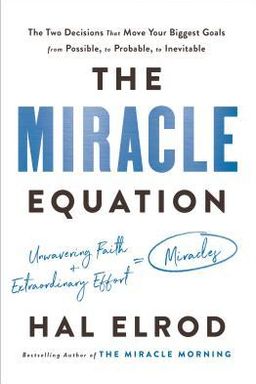
The Miracle Equation: Turning Possibility Into Inevitable Success
Have you ever set a big goal—something that mattered deeply—but found yourself losing confidence when progress seemed slow or obstacles piled up? Hal Elrod’s The Miracle Equation offers a radical claim: you can make even your most ambitious goals inevitable through two deliberate decisions—Unwavering Faith and Extraordinary Effort. These are not mystical beliefs or blind optimism; they’re practical commitments that transform how you pursue success, overcome setbacks, and define what a “miracle” really means.
Elrod argues that miracles are no longer reserved for luck or divine intervention. They’re measurable outcomes created when you combine belief and disciplined action over time. His formula—Unwavering Faith + Extraordinary Effort = Miracles—was tested in his own life after surviving a fatal car crash, learning to walk again, and later beating a rare form of leukemia against grim odds. Every success story, from Babe Ruth to Oprah Winfrey, he shows, follows this same principle: keep believing when failure seems likely, and keep acting when exhaustion tempts you to stop.
Moving From Possible to Inevitable
The book’s essence lies in moving our dreams from what Elrod calls the realm of “possible” (what could happen) to “probable” (what’s likely) and then to “inevitable” (what must happen). Most people, he notes, stop at hope—believing something is possible but never truly committing to it. Unwavering Faith means making a conscious decision that failure simply isn’t an option; not because results are guaranteed, but because you’ll persist until they become real. Extraordinary Effort ensures you don’t just wait for miracles—you create them. As these two principles feed each other, they form a feedback loop: faith fuels effort, effort reinforces faith, and both together make success likely, then unavoidable.
Miracles Defined and Demystified
Elrod redefines miracles to mean any extraordinary result that seems beyond ordinary probability—something measurable you actively co-create rather than passively wish for. He distinguishes between “random” miracles (like surviving a fall) and tangible miracles, such as achieving a monumental personal goal. Tangible miracles follow a repeatable process guided by mindset and sustained action. This shift makes miracle creation accessible to everyone—you don’t have to pray and wait; you must decide and act.
The Human Conflict and Emotional Mastery
Creating miracles requires overcoming what Elrod calls the inherent human conflict: we are limitless by nature, yet confined by fear, habits, and past failures. He introduces tools like the Five-Minute Rule (“It’s okay to feel bad, but not for more than five minutes”) to cultivate emotional invincibility—the ability to let go of resistance and accept reality quickly. Emotional acceptance frees the energy needed for faith and effort. Instead of being derailed by adversity, you learn to say “Can’t change it,” refocusing on what you can control.
Practical Application: Miracles by Design
The book culminates in practical systems: identifying your mission, crafting a Miracle Mantra, creating affirmations grounded in truth, and undertaking a 30-day challenge to practice the equation daily. These tools bridge the gap between theory and daily life. Elrod integrates lessons from his bestseller The Miracle Morning—morning routines, affirmations, and visualization—to prepare readers mentally before applying faith and effort. Each habit becomes part of a process that gradually transforms goals from distant hopes into measurable achievements.
Ultimately, The Miracle Equation is an invitation to live deliberately: to approach health, relationships, and purpose with the same clarity and conviction that have driven the world’s great achievers. Elrod doesn’t promise instant success; he promises that if you make these two decisions and sustain them, your biggest goals will move—from possible, to probable, to inevitable. This shift in thinking redefines not just how you achieve, but who you become in the process.