
Idea 1
The Real Millionaire Mindset: Living Rich by Spending Less
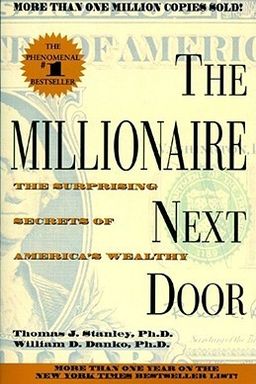
What if everything you believed about millionaires—the mansions, luxury cars, and designer clothes—was wrong? That’s the provocative question at the heart of The Millionaire Next Door by Thomas J. Stanley and William D. Danko. Through decades of research, the authors discovered that the majority of America’s truly wealthy aren’t the ones flaunting riches on magazine covers—they’re quietly living in average neighborhoods, driving modest cars, and rarely indulging in expensive luxuries. Their lifestyles are proof that wealth isn’t what you spend; it’s what you keep.
Stanley and Danko argue that financial independence comes from discipline, frugality, and intelligent use of time and money. The book’s core message dismantles the myth that high income equals wealth. Instead, wealth is built through carefully living below your means, investing wisely, and resisting social pressures to appear rich. These self-made millionaires accumulate assets, not extravagant possessions—they value net worth over status.
The Myth of Visible Wealth
Media culture glamorizes high-consumption lifestyles, showcasing celebrities and executives as models of success. Yet Stanley and Danko’s research reveals that most people living lavishly are actually under-accumulators of wealth (UAWs)—individuals who spend nearly all they earn. In contrast, the prodigious accumulators of wealth (PAWs) quietly build fortunes by focusing on net worth, not appearances. These ‘neighbors next door’ live unassuming lives while maintaining substantial financial security.
The authors developed a formula to estimate expected wealth: multiply your age by your annual pretax income and divide by ten. If your actual net worth is double that number, you’re a PAW; if it’s less than half, you’re a UAW. The distinction reveals that wealth is strongly connected to habits and values rather than salary or profession.
Seven Rules for Building Wealth
Stanley and Danko outline seven defining traits among millionaires that create financial independence:
- They live far below their means, prioritizing savings and investments over consumption.
- They use time, energy, and money efficiently to build wealth.
- They equate financial independence with freedom, not social status.
- Their parents did not provide Economic Outpatient Care—allowing them to learn self-reliance early.
- Their adult children are economically self-sufficient.
- They are adept at spotting profitable opportunities.
- They choose occupations that allow them autonomy and growth potential.
Taken together, these principles underscore a powerful idea: wealth is behavioral, not circumstantial. You don’t need luck, inheritance, or genius—you need consistent habits that compound over time.
Why It Matters
The implications of this book are transformative not only for personal finance but for cultural values. In a society where consumption signals success, Stanley and Danko remind readers that silent wealth—built through discipline and patience—provides peace of mind and real freedom. True millionaires aren’t shackled by debt or lifestyle inflation. Instead, they make deliberate choices that align with long-term goals.
“Wealth is what you accumulate, not what you spend.” That single sentence encapsulates the distinction between those who chase status and those who achieve financial independence.
Throughout the chapters that follow, Stanley and Danko explore how millionaires budget meticulously, invest conservatively, and educate their children for independence rather than indulgence. They debunk society’s obsession with outward signs of success—like luxury cars or designer suits—and instead highlight frugality as the cornerstone of prosperity. They even explain how generosity can backfire when wealthy parents spoil adult children with excessive financial gifts, regulating habits that erode discipline.
Ultimately, The Millionaire Next Door invites you to rethink what it means to be wealthy. It challenges the cultural narrative of success and introduces a practical, evidence-driven blueprint for real financial freedom—one that begins not with abundance, but with intention and restraint.